

Owen Mitchell started teaching music when he was seven years old. A neighborhood boy wanted to learn to play piano so Owen shared what he knew. That was 1892. He would go on to become the first jazz band leader in Fayetteville.[1]
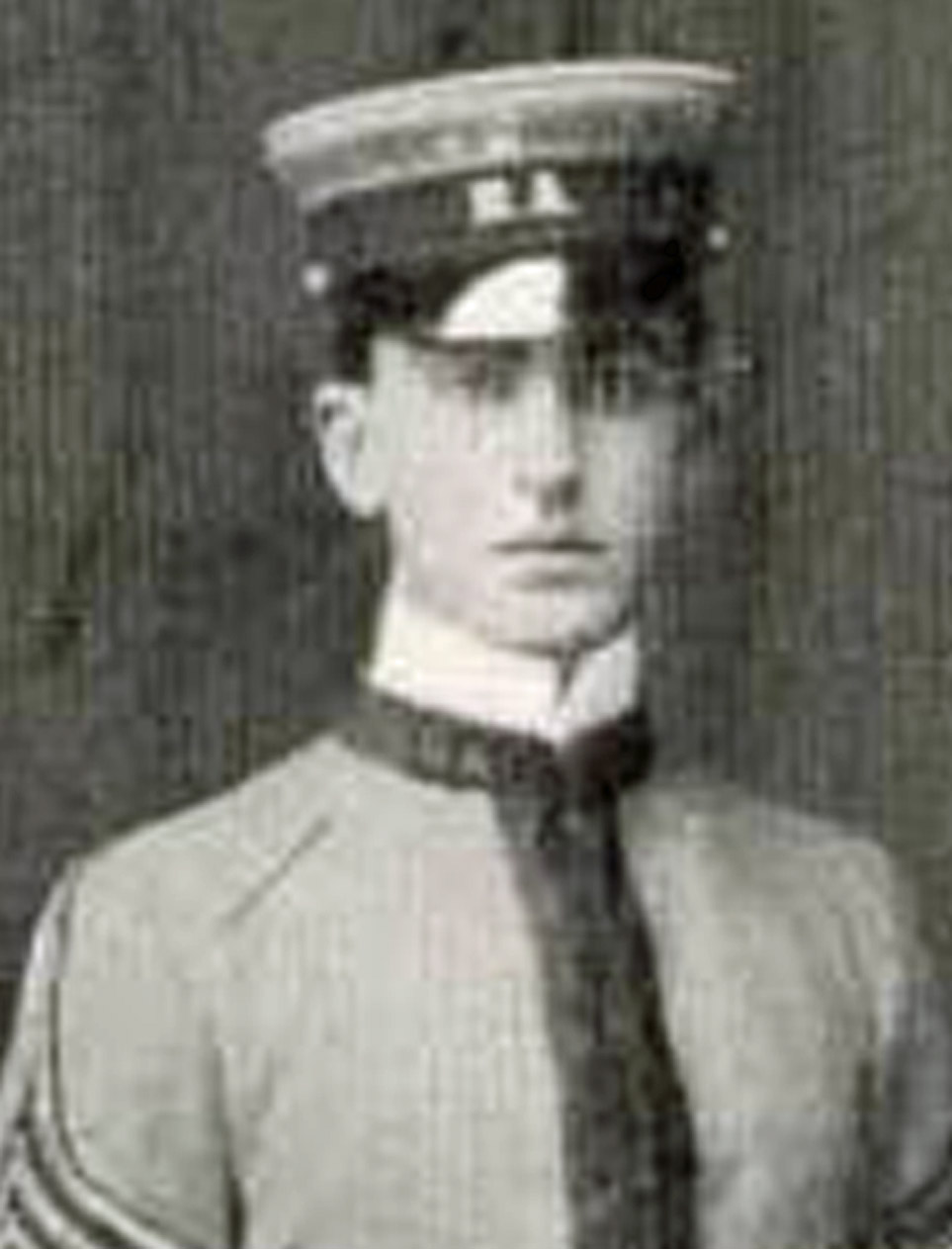
Mitchell didn’t start out with jazz. Upon entry to the University of Arkansas at Fayetteville in 1903, Mitchell pursued a degree in chemical engineering while continuing to follow his passion for music as a sideline. Mitchell graduated with a bachelor’s degree in chemistry in 1908 and for a time taught the subject at the University, probably as a graduate assistant. But he was never far from his love of music. Apparently something of a polymath in musical arts, described in one of many newspaper accounts of his performances as a “musician of unusual ability,” Mitchell played trombone, piano, and several other instruments. He understood music theory and composition, and served an important role in Frank Barr’s orchestra which performed at multiple social events around town.
During these early years, Mitchell traveled to St. Louis and Kansas City to experience what big city musicians had to offer, and he often accompanied Barr to help teach community bands in Cane Hill, Westville (Oklahoma), and other towns. [2] Eventually his love of music pulled him away from chemistry altogether, and he went on to lead Owen Mitchell’s Orchestra. The band was among the first to be heard on the new University radio station, KFMQ, in 1924. By January 1925, Mitchell’s radio programming split fifty-fifty between fox trots and waltzes. Within months, fox trot numbers filled two-thirds of the orchestra’s air time. Members of the group included violin, cello, and bass plus trumpet, clarinet, trombone, French horn, and drums. During summer months, the group played every evening at Riverside Park where a dance pavilion accommodated growing crowds.[3]
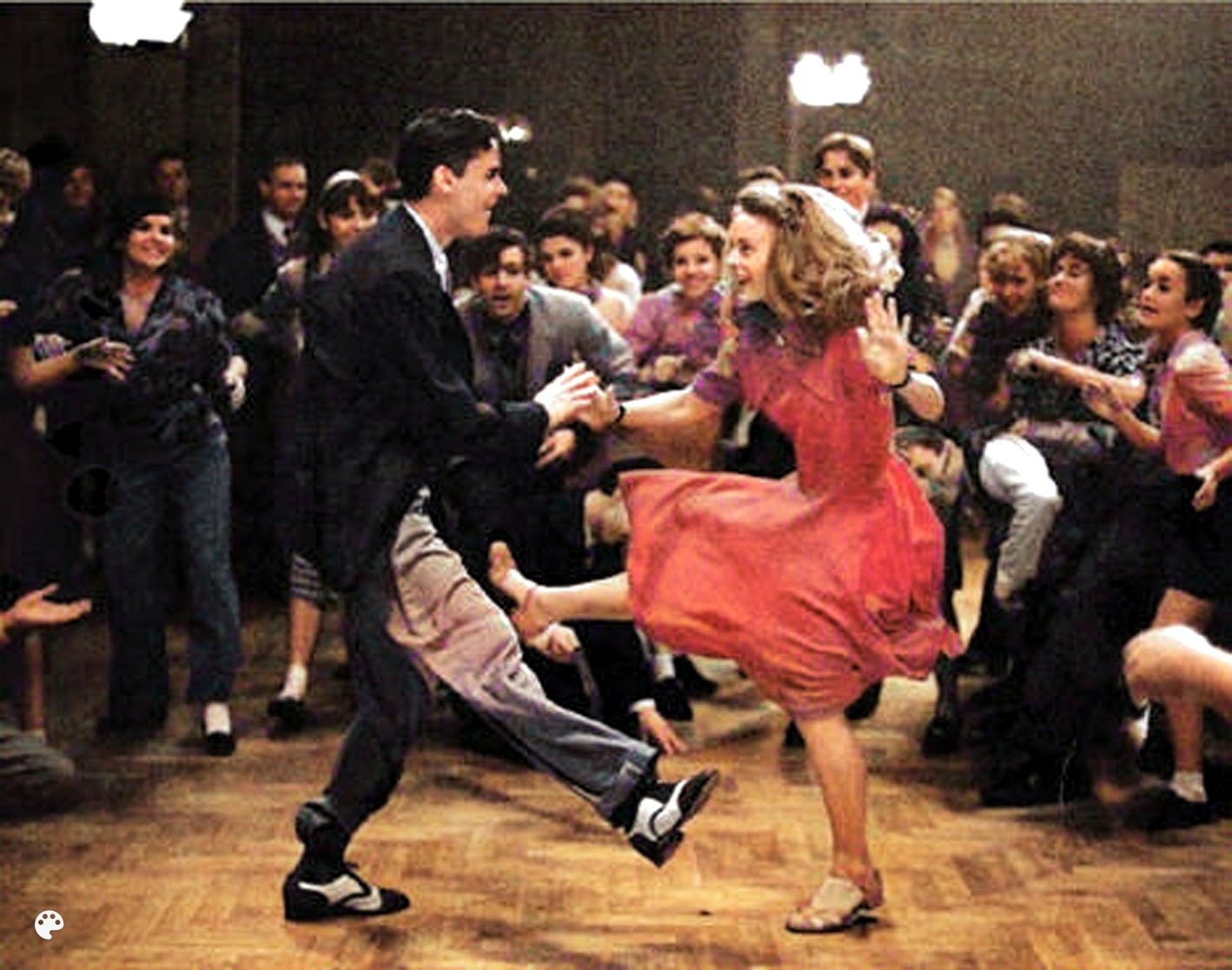
Other jazz groups quickly sprang up to meet public demand for popular new styles of jazz for community events, club gatherings, parties, and University dances. Through the 1920s and into the 1930s, Owen Mitchell kept ahead of the wave with music for dance fads like the Charleston, Black Bottom, and Lindy. Yet he maintained his ties to classical music both with University groups as well as teaching private piano lessons at his home on West Center. He traveled widely and advocated for the UA music department, making a plea in 1933 for better practice facilities. His leadership in innovative new musical styles fostered other jazz groups and informed a new generation of Fayetteville musicians.
The story of Mitchell’s contributions to Fayetteville’s music scene in the early 20th century is found in The Music Men of Turn-of-the-Century Fayetteville, available at the Washington County Historical Society and at Amazon.com
[1] “First” is not proven, since we do not know when he started his jazz group versus when the Black Diamond group started.
[2] The comment regarding his ability followed his solo piano performance of Grieg’s “Norwegian Bridal Procession.” Similar praise followed his performance of Grieg’s “Concerto in A Minor” the following month. FD Apr 3, 1914, p. 4. and Jun 9, p. 1.
[3] Riverside Park was a project of the Parker Brothers who operated a large nursery where the Fayetteville airport is now located. They first intended the park as a swimming spot and built bathhouses, restrooms, and other accommodations alongside the West Fork of White River.

 denelecampbell