And a Merry Solstice to You!

charliebrownsingingchristmas

Seems like every year about this time we hear the same outcry from certain sectors of the Christian community. And every year the same responses arise, that Christians do not ‘own’ the midwinter holidays. Rebirth of the sun on the year’s shortest day, not any particular religion, lies at the heart of midwinter celebrations around the world. The modern Christian custom of marking December 25 as the birth date of Jesus Christ was established by church fathers sometime in the 4th century in their effort to override pagan beliefs.[1] Yet modern holiday traditions surrounding Christmas derive from those ancient roots, not the other way around.

So yes, you could call this another response. But I wanted to gather, in one fairly tidy summation, an overview of the non-Christian winter solstice traditions. So I dug in and thought I’d share the results with you.
stonehengewinter
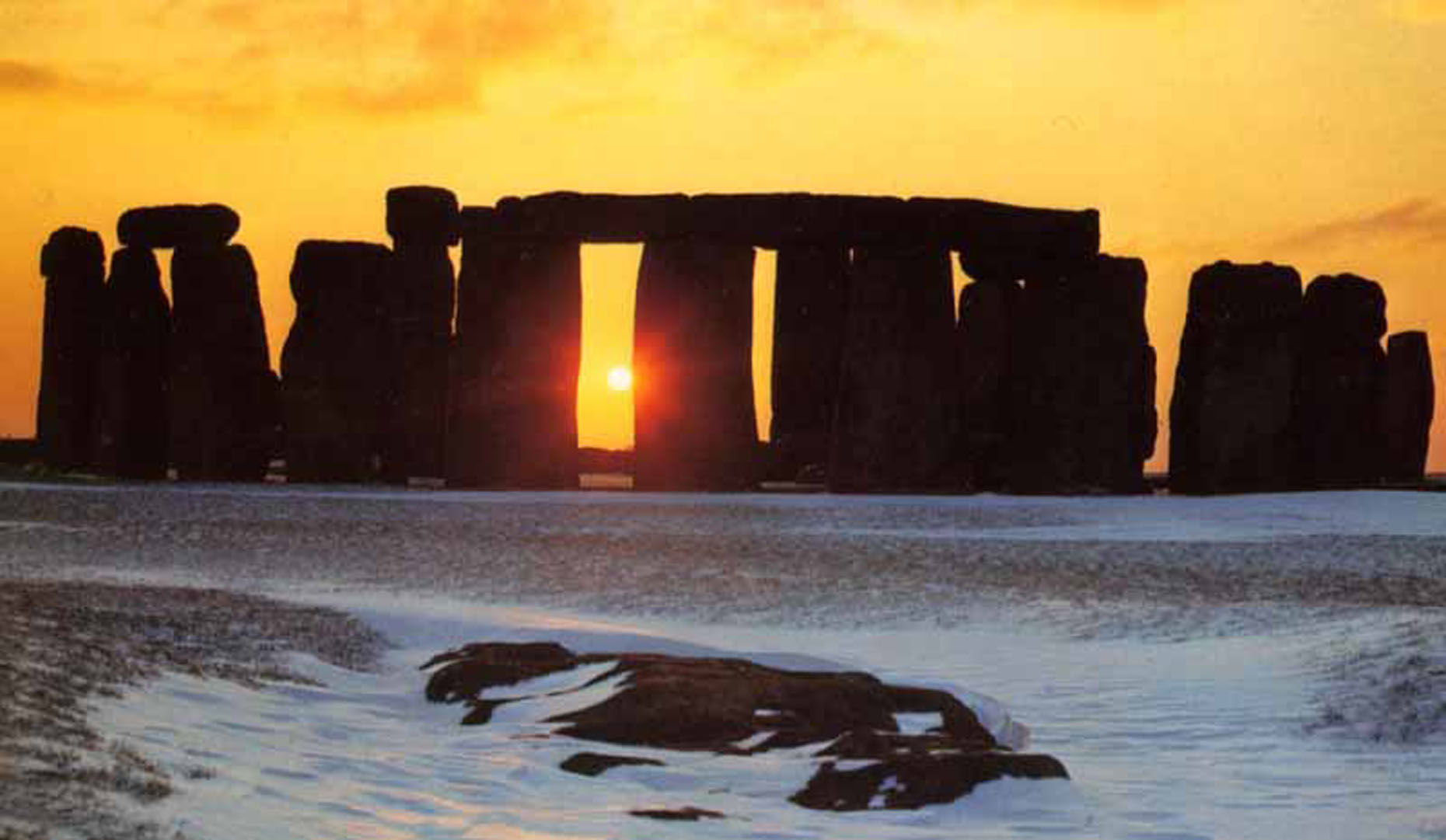
Stonehenge Midwinter

Far back into prehistory, human rituals marked the winter solstice. The year’s shortest day arguably served as early man’s most important marker of the passage of time, a point of reckoning enshrined in monolithic stone structures which align with the sun’s movement. Archaeological examinations of better known sites such as Stonehenge (it’s believed the site was established by 8000 BCE) have uncovered evidence of fires, feasting, and ritual sacrifice. Manmade monuments with midwinter alignments are found on every continent.[2]

The earliest written records of solstice celebrations are Sumerian and Egyptian myths dating from around 3000 BCE. In Egyptian myth, the birthday of the god Horus was celebrated on the winter solstice. His mother Isis was impregnated by the resurrected body of Osiris. The annual celebration marking that birth included offerings, feasting, and sacrifice. Writing in 65 BCE, Plutarch stated “…it is said that Isis…at the winter solstice gave birth to Harpocrates (from Hor-pa-khered, Horus the Child).[3], [4] The story of Horus is one of several original archetypes of a sky god born by supernatural means.

The Twelve Days of Christmas came from the Sumerians. The celebration for the rebirth of the year lasted twelve days. It is also from the Sumerian celebration that the next oldest tradition derives, gift giving. During their celebrations, the Sumerians held huge parades, wished good tidings to each other, and exchanged gifts. Early Greeks adopted the Solstice with celebrations honoring Zeus’s victory over Kronos and the Titans.[5],[6]
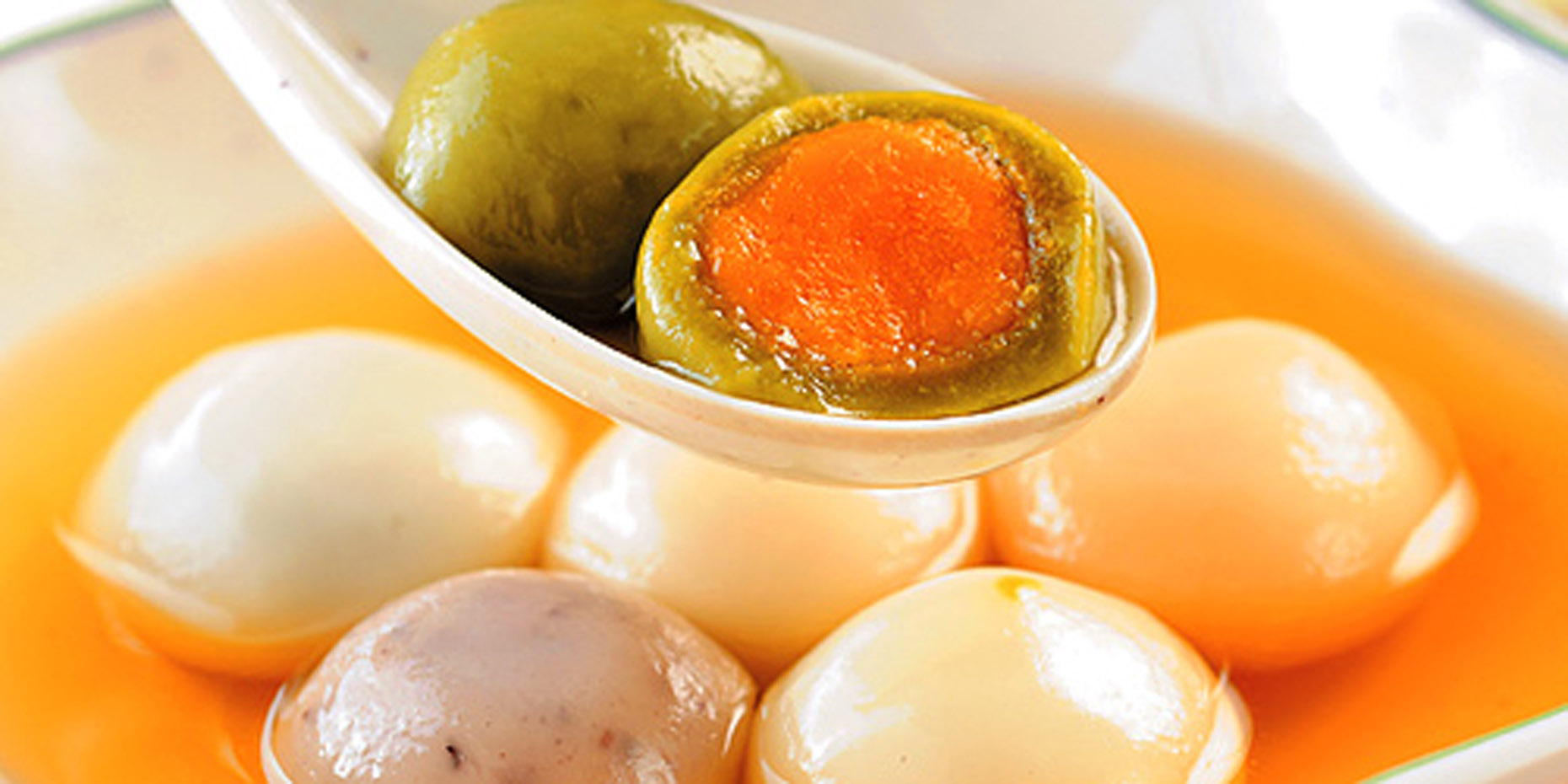
chinaAs early as 1000 BCE, Eastern Asians including Japanese, Chinese, Vietnamese, and Koreans celebrated the year’s shortest day with the Dongzhi Festival on or about December 22. The solstice festival gives a nod to the yin-yang philosophy of balance and harmony in the cosmos as recorded in the Daoist teachings of the I Ching.[7] After the celebration, days of longer daylight hours brought an increase in positive energy as symbolized in the I Ching hexagram  (復, “Returning”). Today, Asian people cook special foods such as the colorful balls of glutinous rice known as tangyuan or, in more northern regions, a certain type of dumpling. Old traditions also require people with the same surname or from the same clan to gather at their ancestral temples to worship on this day. A grand reunion dinner follows.
sadeh
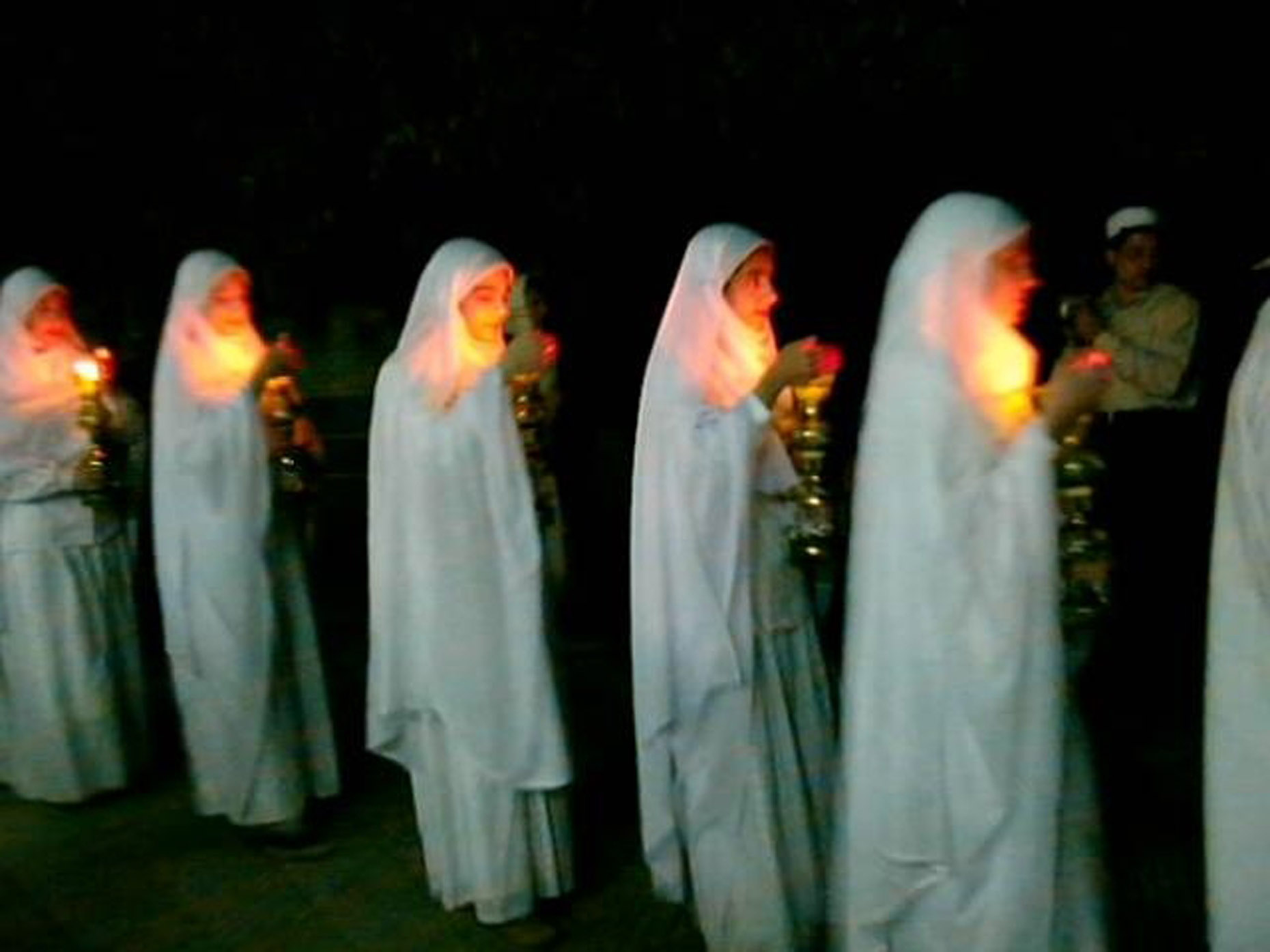
Sadeh/Yalda celebration, Iran. From Iranreview.org

The early Iranian religion Zoroastrianism recognized a holiday they called Sadeh which is now celebrated in Iran as Yalda. Documented as early as 600 BCE, fires were set on December 25 near water and the temples. The fire was originally meant to assist the revival of the sun and bring back the warmth and light of summer. It was also supposed to drive off the demons of frost and cold which turned water to ice and thus could kill the roots of plants.[8]

The Vainakh people of the North Caucasus include the modern Chechens and Ingush who celebrate Malkh on December 25 as the birthday and the festival of the Sun. During the ceremonies suppliants turned to the east.[9] The Hindu Sankranti historically takes place on the Solstice, although the date is January 14, which gives evidence to how much time has elapsed since it started. It is believed that people who die on this day end the reincarnation cycle, for which reason it is very lucky. Gifts are exchanged, sweets and other special food are consumed, and bonfires are lit on Sankranti eve, which is known as Lohari.[10]

More specific to our Western traditions, pagans of Scandinavia and Germanic regions celebrated the season as Yule. People came to the common hall and brought food. It was a three day celebration in memory of ancestors and dates back to the Stone Age in Western Europe. Animals were sacrificed and everyone drank ale. A specially selected Yule log burned through these days as a symbol of the returning sun.[11]
thor
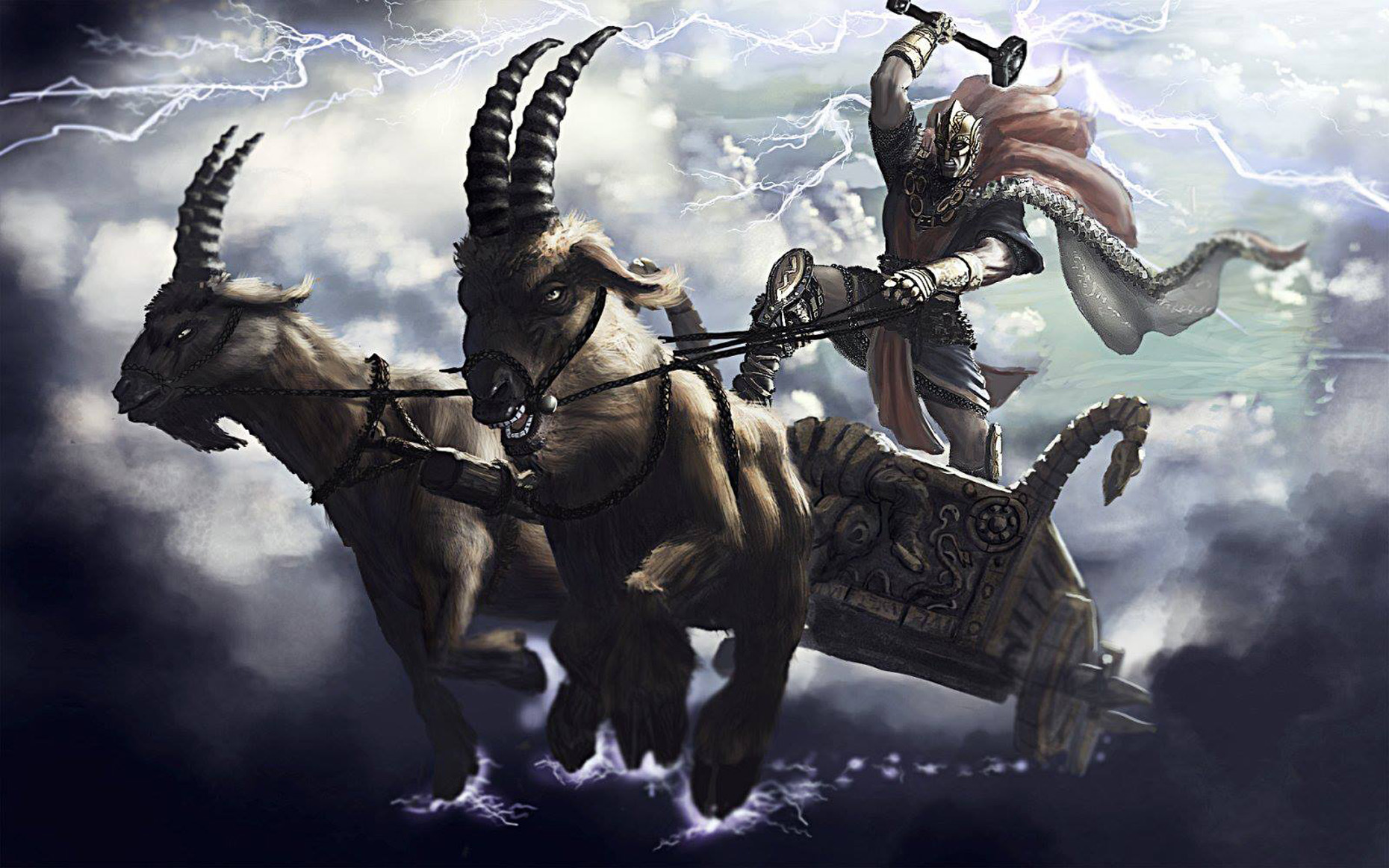
Thor rides in a chariot pulled by two great goats named Tanngnjóstr (Old Norse “teeth-barer, snarler”) and Tanngrisnir (Old Norse “teeth grinder”). From twayneheeter.wordpress.com

Particularly in Scandinavia, the last sheaf of grain from the harvest was preserved for the occasion, believed to hold magical properties and called the ‘Yule goat.’ Another tradition holds that the Yule goat is a spirit that appears during preparations for the Yule to ensure things are done right. A popular theory is that the celebration of the goat is connected to worship of the Norse god Thor, who rode the sky in a chariot drawn by two goats.[12]
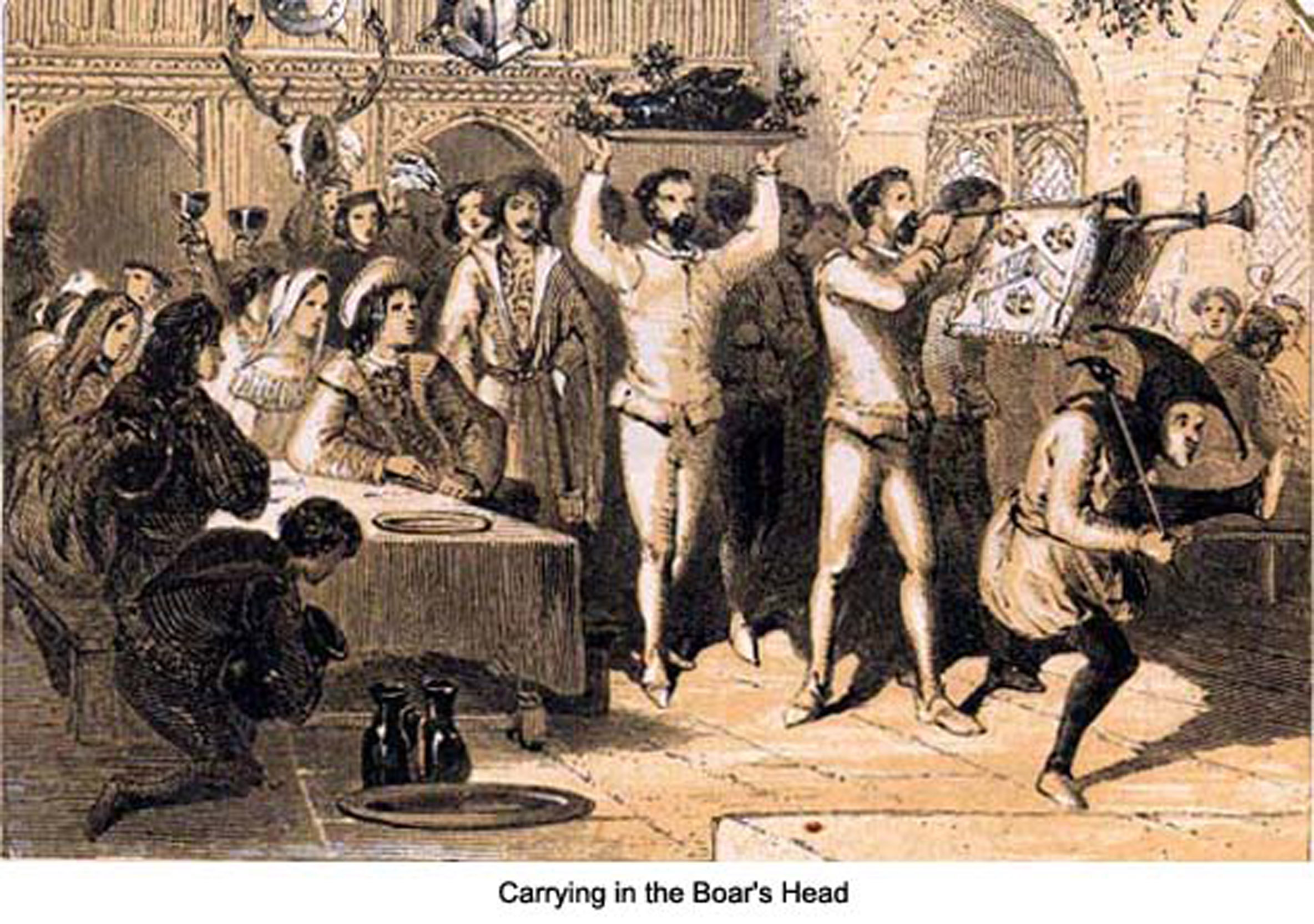
BoarNorthern Europeans also celebrated the Yule boar in a tradition where all men laid hands on the bristles of a sacrificed boar and solemn vows made. There is believed to be a connection between the choice of a boar and the Nordic god Freyr, whose mount is the gold-bristled boar Gullinbursti. The continuing Swedish tradition of eating pig-shaped cakes at Christmas recalls the heathen custom. The serving of a roasted pig’s head at midwinter feasts in England also recreates this ancient tradition as does the serving of a Christmas ham on many American tables. [13]
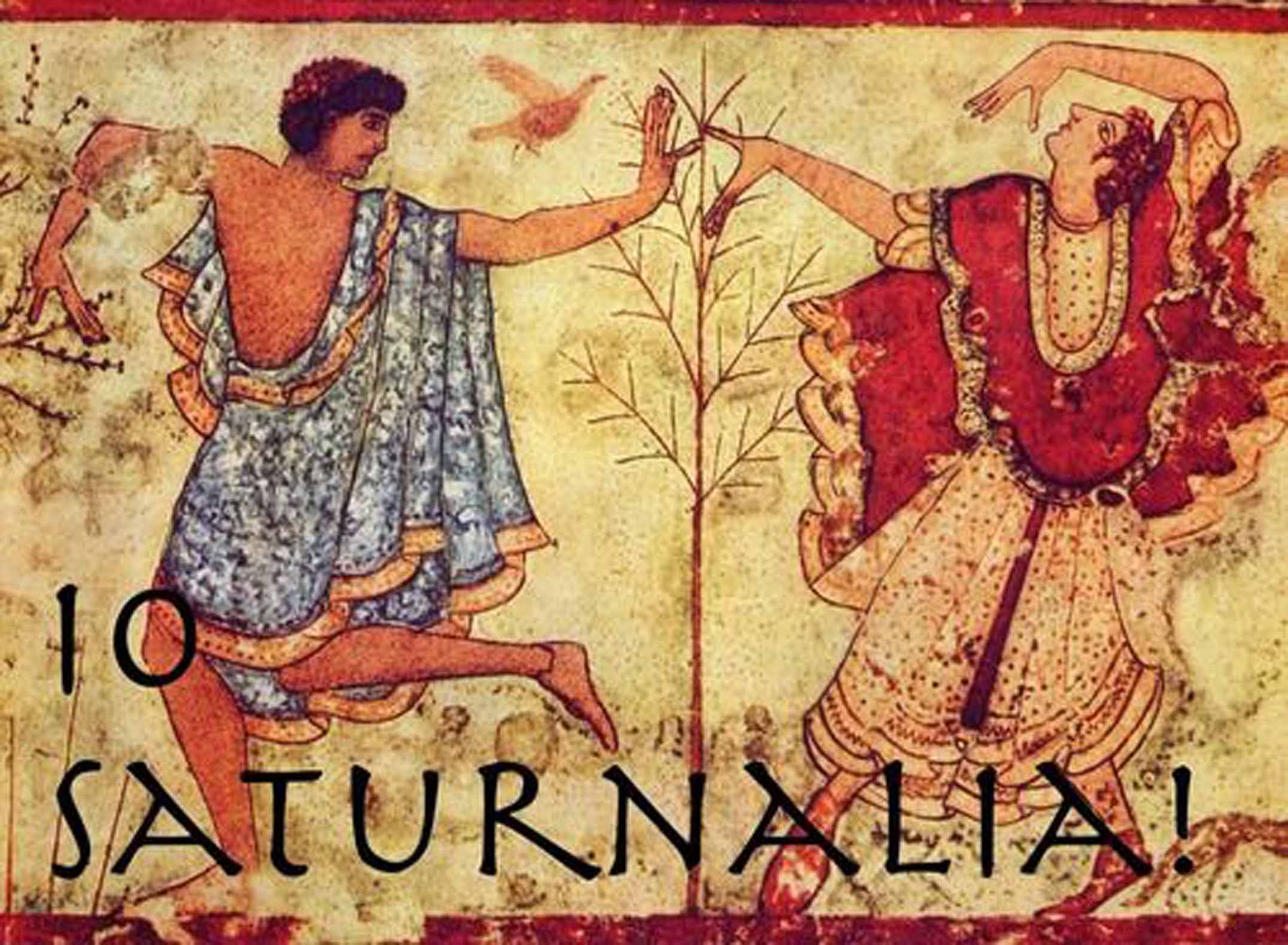
saturnalia
“Io Saturnalia” was shouted as part of the celebration. “Io” translates as “Yo,” an exclamation still in common usage.

Saturnalia was an ancient Roman midwinter festival in honor of the deity Saturn. It occurred within the broader seasonal celebration known as Brumalia and continued from December 17 through December 23.[14] Sacrifices to the gods, a public banquet, and private gift giving were the primary activities. Candles were given to help drive away evil and encourage the return of the sun. Other gifts included toys for children and gag gifts as well as monetary gifts from employers and ranking members of society to their employees or underlings. On the day of Saturnalia, Roman social norms reversed so that masters served the servants, gambling was allowed, and a carnival atmosphere prevailed. In keeping with the reversal, Roman citizens wore the conical felt hat (pileus) typically worn by freed slaves as a symbol of their freedom, an ancient Greek tradition. The idea of reversal is believed to have symbolized the reversal of the sun’s decline.
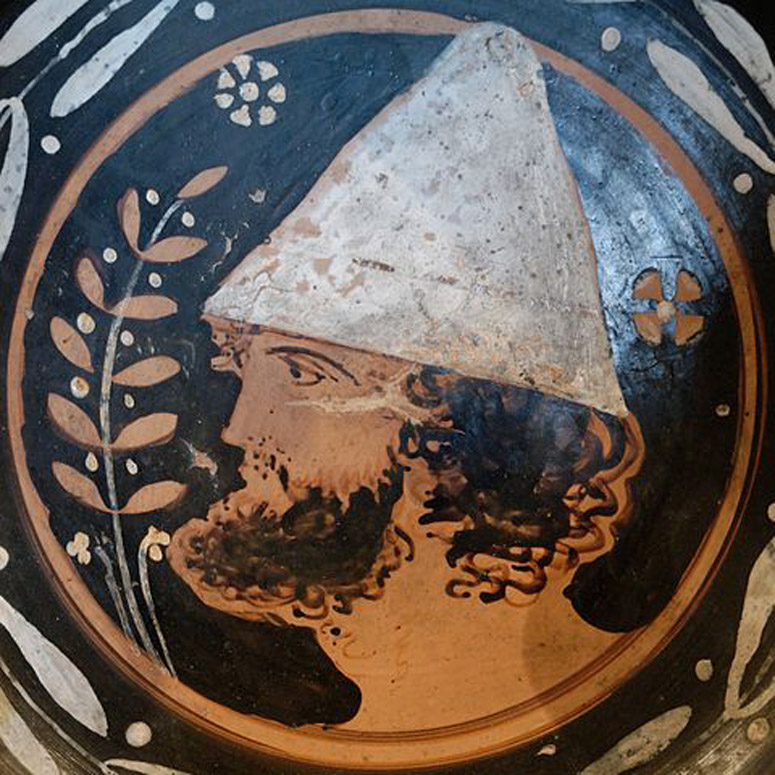
Man pilos Louvre MNE1330 by Marie-Lan Nguyen (2009). Licensed under CC BY 2.5 via Commons
The pileus, possibly the inspiration for Santa’s hat? From Louvre MNE1330 by Marie-Lan Nguyen (2009). Licensed under CC BY 2.5 via Commons

In Roman mythology, Saturn was an agricultural deity who was said to have reigned over the world in the Golden Age when humans enjoyed the spontaneous bounty of the earth without labor. The revelries of Saturnalia were supposed to reflect the conditions of the lost mythical age. Following Saturnalia, on December 25 the renewal of light and coming of a new year was celebrated as Dies Natalis of Sol Invictus, the “Birthday of the Unconquerable Sun.”

Similarly, the celebration of Hannukah among Jews tracks the same prehistoric tradition. As noted by one rabbi, “…it is a short leap to surmise that the Maccabees, when they took the anniversary of that day as the day of rededication, were rededicating not only the Temple but the day itself to Jewish holiness; were capturing a pagan solstice festival that had won wide support among partially Hellenized Jews, in order to make it a day of God’s victory over paganism. Even the lighting of candles for Hanukkah fits the context of the surrounding torchlight honors for the sun.”[15]
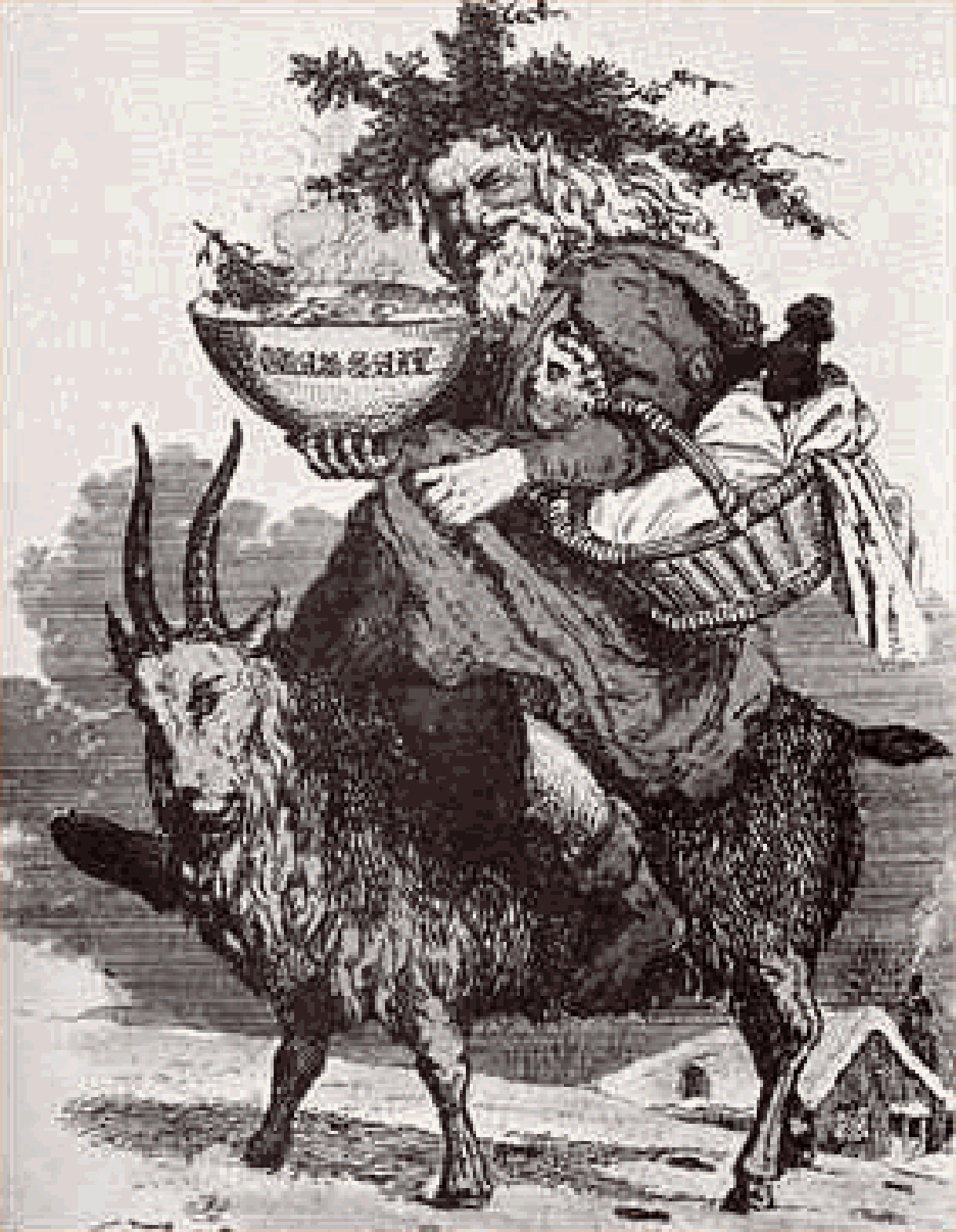
SantaandgoatThe origins of the Christian gift-bringer figures in European folklore connect specifically with the Yule festivals of Germanic paganism and are often associated with the figure of Odin, the leader of the Wild Hunt at the time of Yule. Santa Claus’ reindeer have been compared to Sleipnir, the eight-legged horse of Odin. After Christianization, the benign mid-winter gift bringer was associated with the 4th century Christian Saint Nicholas of Myra, based on his generous gifts to the poor.[16]

MerryYule
Merry Yule from http://www.kitchenwiccan.com/2013/11/)

The use of mistletoe as a kissing bough evidently derives from a Celtic custom in which Druid priests climbed a sacred oak to cut down mistletoe from which they made an elixir to cure infertility.[17] Holly use during the holiday season also derives from Celtic custom; Druid priests wore wreaths of holly on their heads. Wreaths as household ornaments originated with Greeks and Etruscans (by 600 BCE) as an offering to the gods to prevent crop failure and plagues. Evergreens were sacred because they did not ‘die,’ thereby representing the eternal aspect of the Divine.[18]
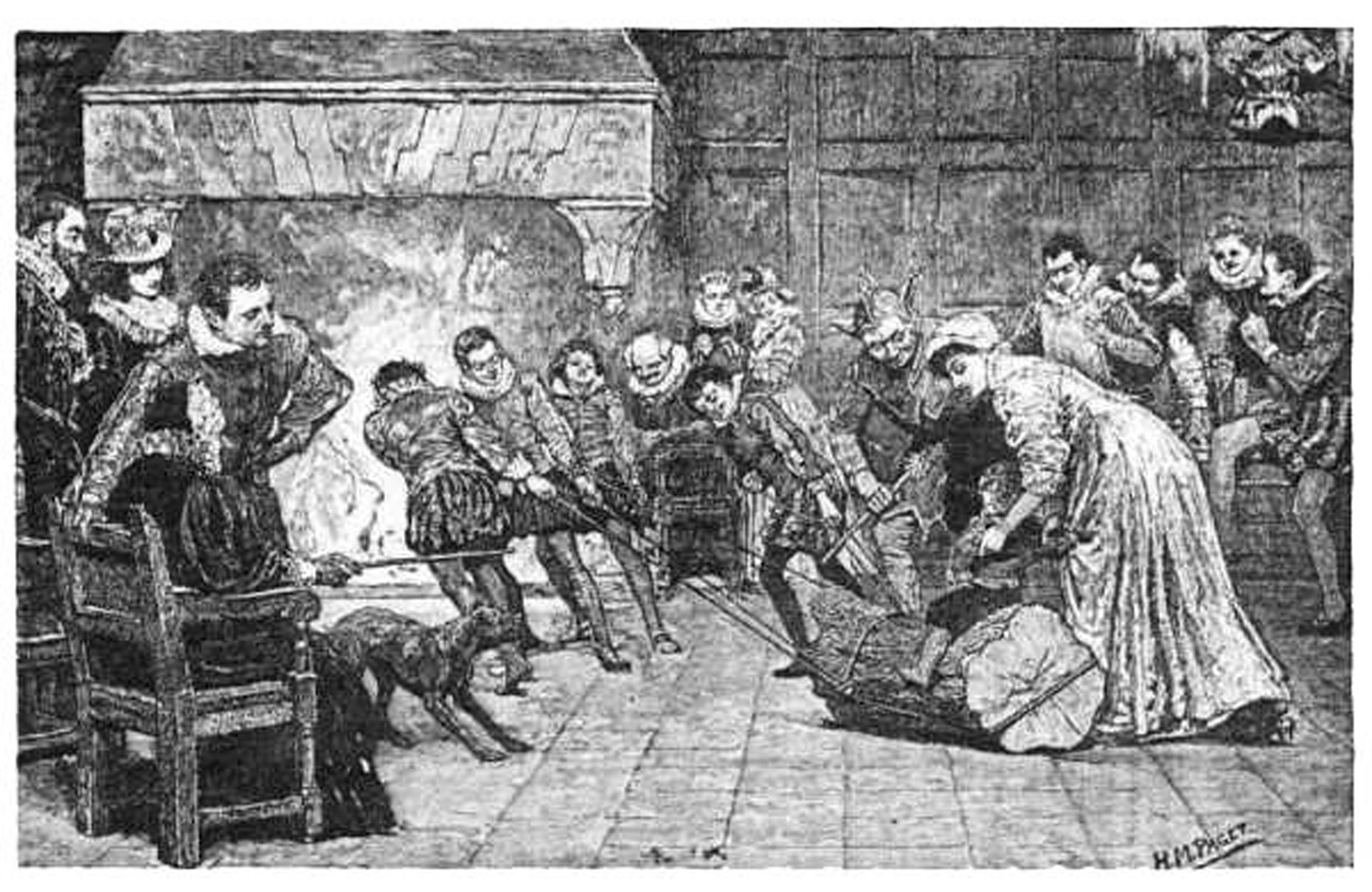
yule log
Bringing in the Yule log

Wassailing as a house-to-house caroling tradition follows from the Anglo-Saxon toast Wæs þu hæl, meaning “be thou hale”—i.e., “be in good health.” In medieval Britain, the practice became an exchange between feudal lords and their peasants wherein the lords could practice charitable giving. Songs sung by visiting bands of peasants such as “Here We Come A’Wassailing” and “We Wish You A Merry Christmas” emphasized this dynamic but also hinted at the implied threat that if ‘figgy pudding’ wasn’t given ‘right here,’ vandalism or at least curses might be inflicted upon the manor house.[19]
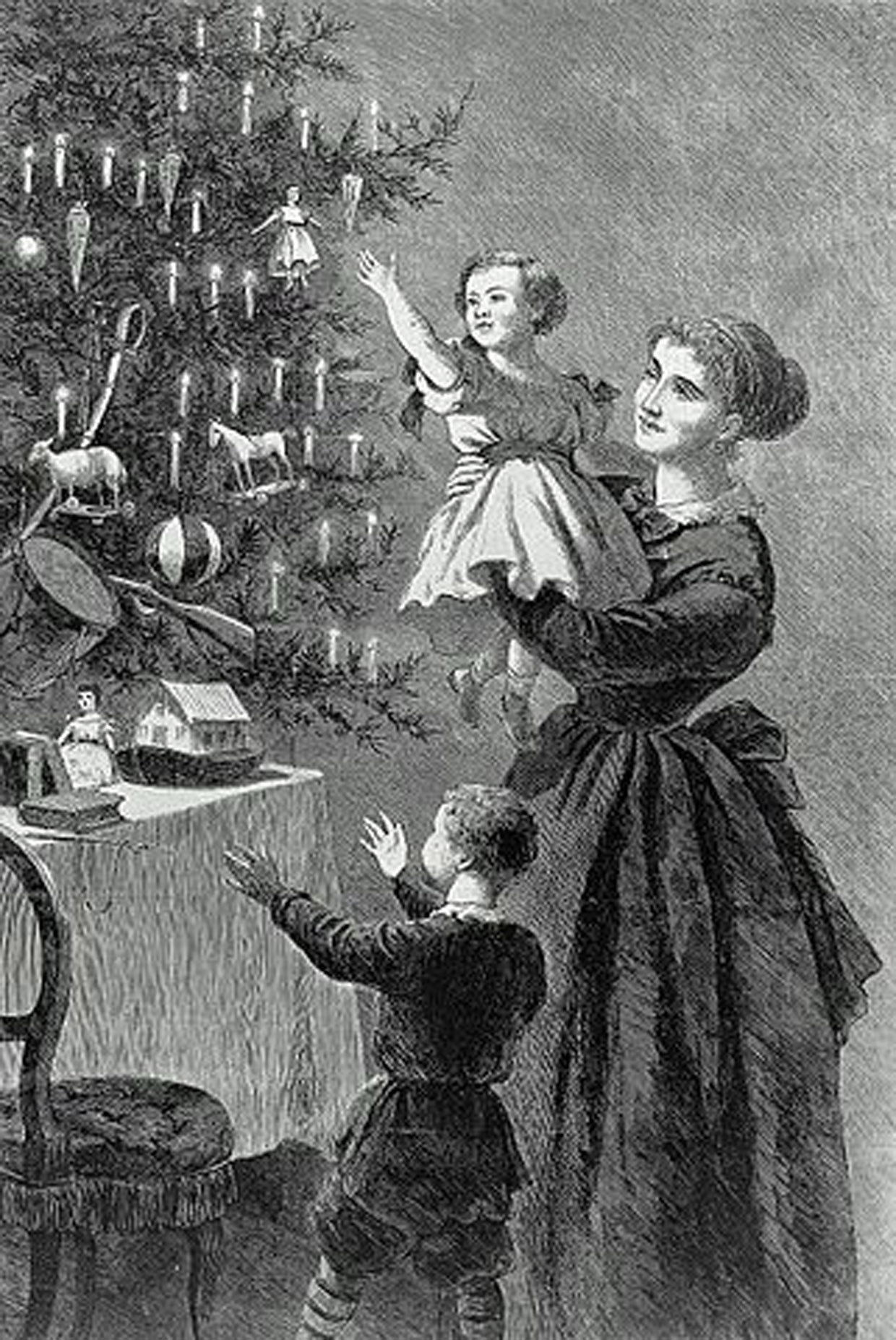
321px-1870_ChristmasTree_byEhninger_HarpersBazaar
Illustration for Harper’s Bazaar, published January 1, 1870

Christmas trees were relatively unknown in the United States until well into the 19th century and were first considered strictly a German custom. According to the Encyclopedia Britannica, “The use of evergreen trees, wreaths, and garlands to symbolize eternal life was a custom of the ancient Egyptians, Chinese, and Hebrews. Tree worship was common among the pagan Europeans and survived their conversion to Christianity in the Scandinavian customs of decorating the house and barn with evergreens at the New Year to scare away the devil and of setting up a tree for the birds during Christmastime.”[20]
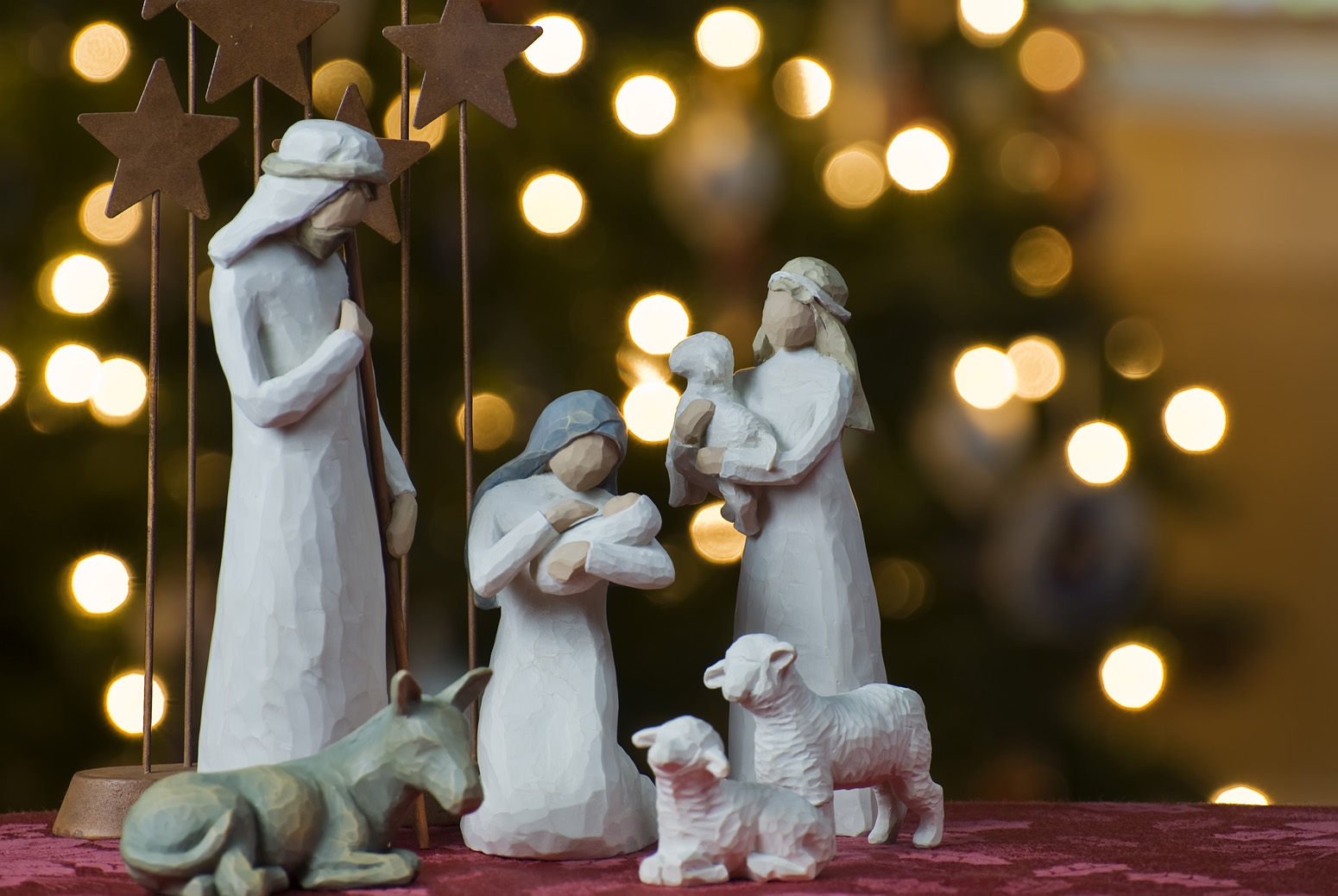
Nativity_tree2011Advent, a period of Christian rituals leading up to Christ’s Mass, began sometime in the late 5th century. The earliest Christmas hymns date to the same period. Modern Christian worship centered on the holiday may involve lighting of candles, prayers, giving to the poor, and other elements of earlier pagan traditions.

The midwinter celebration is the oldest of human traditions. With its darkness and cold, the shortest day gives pause even to the most jaded world citizen. Remembrance of family, feasting, exchange of gifts, and well wishes are no less compelling today than they were in the shadows of our ancient past. Future generations will continue to note this compelling point of the sun-earth cycle, no matter by what name.

May your days be merry and bright!

hd-wallpaper-christmas-gifts-and-globes-wallpaper

Please note I openly confess to shameless usage of cited materials.

[1] https://en.wikipedia.org/wiki/Winter_solstice

[2] BCE refers to “Before Common Era,” sometimes notated as BC, or “Before Christ.”

[3] https://en.wikipedia.org/wiki/Horus

[4] http://isiopolis.com/2011/12/25/isis-osiris-horus-and-the-holy-day-of-december-25th/

[5] http://blog.chron.com/thewiccanway/2011/12/winter-solstice-and-christmas-traditions-and-where-they-came-from/

[6] See also Crump, William D., The Christmas Encyclopedia, 3rd Edition. McFarland. p 369

[7] https://en.wikipedia.org/wiki/Yin_and_yang

[8] https://en.wikipedia.org/wiki/Sadeh

[9] https://en.wikipedia.org/wiki/Malkh-Festival

[10] http://ancienthistory.about.com/od/winterholidays/p/WinterHolidays.htm

[11] https://en.wikipedia.org/wiki/Yule_log

[12] https://en.wikipedia.org/wiki/Yule_Goat

[13] https://en.wikipedia.org/wiki/Sonarg%C3%B6ltr

[14] https://en.wikipedia.org/wiki/Brumalia

[15] http://www.myjewishlearning.com/article/hanukkah-and-the-winter-solstice/

[16] https://en.wikipedia.org/wiki/Christmas_gift-bringer

[17] https://en.wikipedia.org/wiki/Ritual_of_oak_and_mistletoe

[18] https://wicca.com/celtic/akasha/yule.htm

[19] https://en.wikipedia.org/wiki/Wassailing
[20] http://www.britannica.com/plant/Christmas-tree

Gift of the Season Day 5 — Book Price Markdown

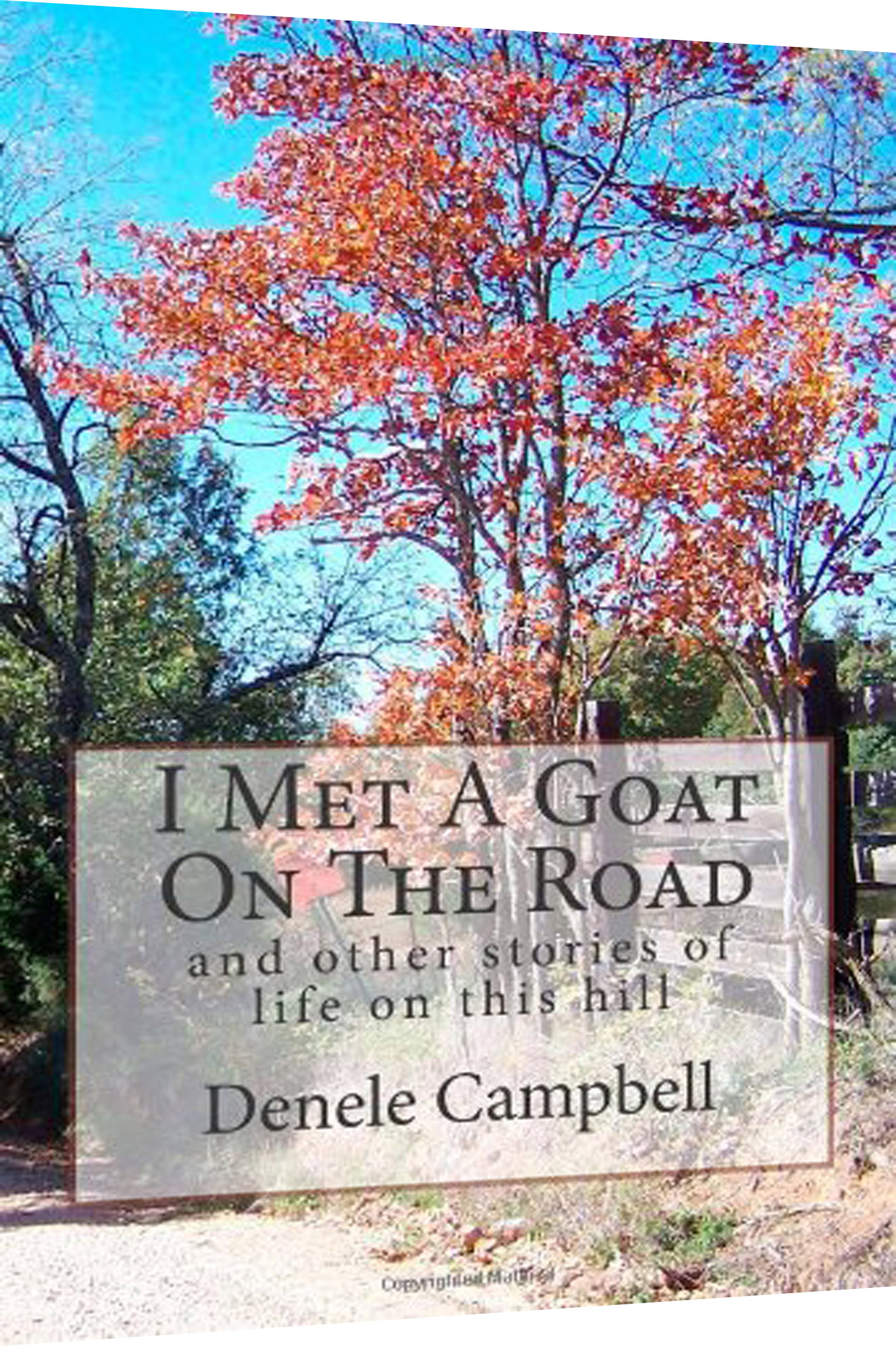
goat cover skewedA visiting guinea? A ‘possum in the dining room? What strange and wondrous occurrences can one expect while living on an Ozark mountaintop for thirty-five years?

These lyrical adventure stories feature chickens, raccoons, bugs, dogs, cats, and natural critters of this woodland home. Throw in a few neighbors who shoot copperheads or remodel the dirt road. Ponder the passage of time through a philosophical lens of wonder and delight. The seasons bring summer heat, winter snow, pouring rain, the power of fire. Lessons learned, questions posed-who has lived and died on this land? What is our responsibility to this place, its creatures, each other?
Come meet the goat on the road.
Now available for only $6.95. A lovely gift for anyone. Amazon buy link 
“I enjoyed all these stories and especially admired the author’s ability to describe the creatures she encounters with a naturalist’s eye and a pet lover’s emotions. My favorite story was ‘Summer,’ a languorous description of a 102-degree day on the mountain where the smallest movement seems difficult and time slows down. The author’s prose is lyrical and yet unsentimental. You can feel the heat and the sense of relief when the day draws to a close. A beautifully-written series of stories…”      Reviewed by Annamaria Farbizio for Readers’ Favorite

Book Price Markdown — Gift of the Season Day 4

new cover Crime skewedObscure laws often become weapons used selectively against people who offend prevailing social sensibilities. This was the case examined in A Crime Unfit To Be Named. In 1949, a local man in this small Bible belt town became the target of extraordinary police scrutiny. Despite his advanced age and the private nature of his activities, if found guilty John William Campbell would face hard time. Swept up in this vendetta, two younger women would also become entangled in the notorious Arkansas criminal justice system.

Now for a limited time, this paperback is available for only $6.95, marked down from its regular price of $9.95. Amazon buy link

“I started reading ‘A Crime Unfit to Be Named’ and just didn’t stop. It’s really interesting and well written. Excellent research, too. Very fine job.”
—J. B. Hogan, Historian and Author of “The Apostate.”

Pineapple Candy! — Gift for the Season, Day 3

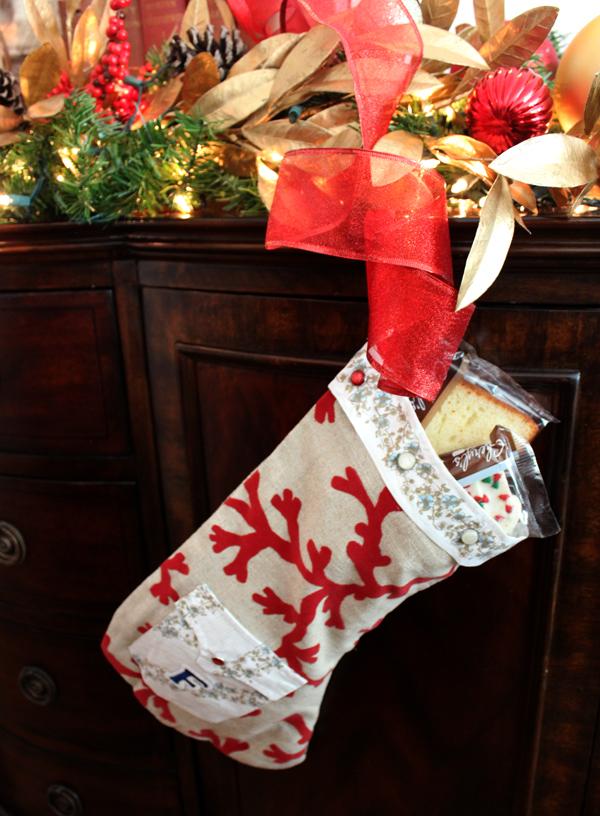
2014-11-04_Bilotto-diy-christmas-stocking-dress-shirt-pocket

One of my fondest holiday memories is of my mother making Pineapple Candy. Without a candy thermometer to ensure the mixture had boiled long enough, she would pace and mutter, repeatedly dipping out tiny portions to drop in cold water to see if it would hold a soft ball shape. I particularly remember that part because I happily retrieved the test portion. Yum! Somehow, despite all the drama, many a Christmas morning found us enjoying this delicious treat!

Pineapple Candy

3 cups brown sugar, packed

1 8-ounce can crushed pineapple

2 cups English walnuts, coarsely chopped

❧ Stir sugar and pineapple together in medium saucepan over medium high heat.

❧ Cook to the firm end of soft ball stage, 240° on candy thermometer.

❧ Cool pan in water bath, beating while it cools.

❧ When mixture has mostly cooled, add walnuts and continue beating until it starts to thicken, then quickly spread into buttered 8x8x2 pan.

❧ Let set until fully cooled, then cut into 1-inch squares.

pineapple-fudge-packet

Enjoy this and other down home recipes in my cookbook, Recipes of Trailside Cafe and Tea Room

Amazon page:  http://www.amazon.com/dp/1492137405

Cheese Ball! — Gift for the Season, Day 2

TK-Blog-Favorite-Cheese-Ball-Finished41


Yes, there are about as many cheese ball recipes as there are cooks. I’ve used this one since 1969! It’s an easy tangy treat that never fails to please!  Makes a great holiday gift, too.

Cheese Ball

12 ounces cream cheese (1 ½ 8-ounce packages)

4 ounces blue cheese, crumbled

1 cup sharp cheddar, shredded

⅓ cup finely chopped red onion

1 clove minced garlic

1 tablespoons Worcestershire sauce

Soften cream cheese. (Remove from package and microwave 30 seconds) Place in mixing bowl and mash with spatula until fully blended and softened. Add other ingredients and mix well. Yield: about 3 cups.

Cheese Ball shaping and decorating options:

1.  Divide into three portions. Place a sheet of parchment paper on a work surface and put one portion of the cheese mixture onto the paper. Gently roll cheese inside of paper into a log shape. Repeat for other two portions. Place the three rolls into refrigerator for at least three hours, until fully chilled. Remove paper. Logs may be rolled in minced fresh parsley or chopped toasted pecans. Place on serving plate, cover with plastic wrap, and refrigerate. Allow to come to room temperature about ½ hour before serving.

2.  Place full recipe of cheese ball onto platter and spread out into a Christmas tree shape about 1 inch thick overall. Form 4-5 limb end points along each side. Use roasted red pepper strips or pimento strips to create a garland that zigzags from side to side. Slice green olives with pimento centers to create tree ornaments.  Alternately, the entire “tree” can be sprinkled with minced fresh parsley and then ornamented with red pepper strips and olives as described. Cover with plastic wrap and refrigerate. Allow to come to room temperature about ½ hour before serving.

3. Using waxed paper between your hands and portions of cheese ball, roll balls of various sizes. Coat each ball in a different material: minced fresh parsley, toasted pecans, toasted chopped almond slivers, finely sliced green onion (include some of the green part), diced red and green peppers, diced green olives, diced black olives, or other ingredients of your preference. Arrange balls on serving platter.

Serve Cheeseball with cheese knives and any of the following:

Savory crackers, toasted pita bread or pita chips, raw vegetable sticks such as carrots and celery, toasted french bread thinly sliced, sliced apple or pear

A Gift for the Season — Day 1

soup
Image from tasteofhome.com


This yummy recipe for vegetable soup is sure to cure whatever ails you from the common cold to a lousy mood. Simple, flexible, and easy. From my cookbook, Recipes of Trailside Cafe & Tea Room.

Vegetable Soup

1 large onion, chopped small (1 ½ cups)

4 ribs celery including leaves if possible, chopped small (1 ½ cups)

2-3 carrots, chopped small (1 ½ cups)

3 cloves garlic, minced

3 tablespoons olive oil

1 15-ounce can petite dice tomatoes

1 ½ teaspoons sugar

1 ½ quarts water

2 baby yellow squash (or 1 medium size), bad skin areas and seeds removed, ½ inch dice

½ tablespoon salt

½ teaspoon black pepper

2 large potatoes, ½ inch dice

❧ Heat large soup pan, add oil, sauté onion, celery, and carrot over high heat until they start to soften (about 10 minutes).

❧ Add garlic, stir briefly, add tomatoes. Stir to heat through.

❧ Add squash, water, sugar, salt, pepper.

❧ Heat to boil, cover, reduce heat to gentle simmer for about 1 hour.

❧ Add potato, cover, increase heat until bubbling, immediately reduce to very low heat so mixture barely simmers. Cover and cook until potatoes are tender, about 30 minutes. Too long or too hot cook time will cause potatoes to break down and broth will be milky.

❧ Taste for seasoning, add salt if needed.

Options: Use leftover cooked vegetables such as lima beans, English peas, green beans, or corn in addition to or instead of the squash.

The Journal of Admiral Wade

Admiral ebookStrange dim light, shifts in time, in perspective. Can we experience past lives? How do we survive the inexorably slow loss of love? Why do epiphanies slip up on us?

A man drives his aging Volvo into another day and out of any world he’s ever known.

A woman retrieves an old trunk and finds hidden treasure of inexplicable nature.

Delores is eager to discuss the details of Carlos’ file, which she appropriated from Records across the corridor. “He’s a bright young man, girls,” she says, reorganizing the lettuce on her sandwich with her long nails.

Josie’s room in an ancient hotel built over a Mayan temple leads to intimate hallucinations. Or are these men real?

What quirks of the universe drive us to the thoughts and deeds that ultimately define our lives? Does magic happen? Do dreams transport us?

These lyrical short stories explore pivotal moments, realizations, and inevitable conclusions in lives of unexpected dimension.

With a December 5 release date, this anthology of eight short stories is available as an ebook or paperback. Pre-order the ebook through December 4 for only 99¢. Amazon buy link — http://www.amazon.com/dp/1519372639

EXCERPT from Her Natural Home:

The dining room opened from the lobby through an archway of gray stone and onto a patio where flowering plants, shrubbery, and vines formed a low wall around the perimeter. Candles and torches illuminated the space. The maître d’ led Josie to a corner table close to hibiscus shrubs with papery yellow blossoms. A starched white cloth spread over the table, which was set with white cloth napkins, a fat white candle in a saucer, and a squat glass vase with vibrant red flowers. Night air wafted over her and above she could see the stars. She sighed and leaned back.

“Tequila,” she ordered when the waiter came.

She imagined throwing the burning liquor down her throat in one quick toss and slamming the empty glass onto the table before demanding another, as if she were some dusty outlaw in a Clint Eastwood western. In planning for the trip, she had pictured herself ordering wine with her meals. Something elegant. Yet the idea of ordering tequila seemed familiar, as if she had considered it without acknowledgement. It surprised her that she had entertained that train of thought and kept it hidden from herself, only now to discover her self-deception.

If that’s what it was. The term seemed unduly harsh.

The waiter set a small glass of amber liquid on the tablecloth in front of her nestled on its own personal round coaster, white and scalloped around the edges. He also delivered a small plate with a mound of coarse white salt and several wedges of lime. All of it glistened beautifully in the light from her table candle. She waited until he left then sipped the tequila. The offensive liquid burned then sweetened explosively in her mouth. The salt and lime relieved her discomfort and by the end of the portion, she felt a relaxing glow in her biceps and throat.

The waiter appeared at the table.

“I’ll have another,” she said precisely, aware of the movement of her lips.

Senora,” he said with a slight bow.

She turned with unusually greedy appetite to the soft enchiladas and guava and meaty sauces that swam in the plate. Sips of tequila diminished the fiery tang of the sauce. Shadows flickered on the tablecloth. She cut her eyes sideways at the waiter as she ordered her third tequila, and he brought a double, along with more salsa and fresh avocado. Red tiles underfoot emanated warmth through her thin sandals. The faint breeze shifted, heavy with the scent of blossoms and chilies and scorched flour tortillas.

What other life had she ever known? What house, what furniture, and why had it ever held any meaning? Who were the people she knew, neighbors, coworkers, relatives she saw on occasion, people at the familiar stores where she bought gas, milk, hosiery? She knew the streets of Woodson Terrace, even of the inner city where she could merge into speeding traffic and compete with the most aggressive drivers. She kept a list of reliable repairmen. She was an assured adult, someone who on a whim entered a contest for a digital camera and won instead something she did not want at all. Something she had not expected and could not explain, now that she was doing it. It was happening. Something she enjoyed very much. Whatever it was.

Creating ISIS

warrior


Some Facebook posts circulating since the Paris tragedy voice outrage that the U.S. and its allies failed to stop ISIS at its inception.

To those I ask what, pray tell, was the beginning?

Was it during the three hundred years of Crusades when Western European Christians invaded the Middle East to drive out Islam?

Was it after WWI when the Western powers reorganized the colonized Middle East, shifting borders to suit the desires of various Western nations regardless of existing ethnic, tribal, or religious boundaries?

Was it after WWII when Western powers again reorganized Arab lands, shoving the Palestinians aside to carve out a homeland for the Jews? Couldn’t we have predicted that Arabs would resist? Perhaps that would have been the best time to nuke the whole region.

Was it when we armed the Afghan Mujaheddin in the 1980s to help them overthrow Soviet occupation? Couldn’t we have predicted that once the Cold War ended, we would abandon Afghanistan and leave tribal leaders like Osama bin Laden to take what he’d been taught to organize his devastated homeland.

Was it when we marched into Iraq, toppling the strong man government of Saddam Hussein and unleashing sectarian violence between Sunnis and Shias?

Was it when the 2011 Arab spring spread from Egypt through other Middle Eastern nations and Syria’s President Assad fought back against his nation’s rebellion? The U.S. and allies hurried into Syria with support and secret ‘advisors’ to assist the rebels, bringing in sophisticated arms and other supplies that are now in the hands of ISIS. Gee, how could we have guessed?

The claim that the U. S. could have inflicted a fatal incisive strike against ISIS at any point along this tortured path shows ignorance and a single-minded obsession to heap criticism on President Obama. ISIS has never existed as a discrete target. Any attack on ISIS would result in massive collateral damage.

The entire mess points to one overarching conclusion: the more we intervene in the Middle East, the worse things get.

We’re good at meddling in other people’s affairs. At what point do we have an honest national dialogue centered on the question: Why are we in the Middle East at all?

I can tell you. It’s because of money, oil and religion. And money. Did I say money?[i]

According to a 2013 report, “over the last six decades, the U.S. has invested $299 billion in military and economic aid for Middle Eastern and Central Asian countries currently in turmoil. Egypt tops a list of ten nations, receiving $114 billion since the end of World War II. Iraq comes in second, getting nearly $60 billion from the U.S. (over and above war costs). Far outpacing those ten countries is Israel, an ally that received another $185 billion in U.S. aid in the same period.”[ii]

Why not just hand all that arms money over to the arms dealers and let them keep the weapons?

Are we getting what we paid for? If the objective is to keep the region destabilized so that we can maintain a level of control over the oil, yes. If the objective is to undermine Arab strength in order to further prop up Israel, yes.

We continue to send billions of dollars of foreign aid to the region, larding the already excessive oil profits lining the pockets of the region’s leaders. With all that money, leaders so inclined can invest in distant terrorists or add to their nation’s arsenal by purchasing arms and equipment manufactured in Western nations.

Supporters of Israel dismiss dollar amounts because their agenda is religious. People concerned about U. S. energy profits dismiss dollar amounts because their agenda is oil. Both groups fail to recognize the larger agenda behind their pet projects: money.

According to a 2013 report, “Each year, around $45-60 billion worth of arms sales are agreed. Most of these sales (something like 75%) are to developing countries. The five permanent members of the UN Security Council (U.S., Russia, France, United Kingdom and China), together with Germany and Italy account for around 85% of the arms sold between 2004 and 2011.[iii]

Nearly twenty years ago, an incisive review of our foreign aid pointed to this folly:

“An examination of $13.6 billion in U.S. foreign aid activity for Fiscal Year 1997 reveals that almost half of the aid is military in nature. This assistance, in conjunction with large-scale arms exports, may actually be working counter to many stated U.S. foreign policy objectives such as promoting sustainable development, protecting human health and fostering economic growth.”[iv]

George Washington famously cautioned against the quagmire in which we’re now floundering:

“The great rule of conduct for us in regard to foreign nations is in extending our commercial relations, to have with them as little political connection as possible.”[v]

Just six days ago, the columnist citing this wisdom called for an end to all but humanitarian aid to foreign nations. He’s not alone.

Opponents of a hands-off approach will cite the potential for increasing interference in the region from nations like Russia and China. In theory, our presence at the arms trade table balances their influence. But we have to ask ourselves, who was there first? I can tell you. It was us.[vi]

If we want the violence to stop, we’ll have to

  • stop giving our tax dollars to nations who spend it on arms,
  • eliminate any and all subsidies to arms dealers and manufacturers,
  • remove our forces entirely from the region and let them sort it out themselves, and
  • rescind and renegotiate any treaties with other nations so that any and all foreign aid is in the form of food, educational materials, medical supplies, and other humanitarian assistance.

Why not? It’s the only thing we haven’t tried.


[i] For an excellent overview of the money problem, see http://www.esquire.com/news-politics/politics/news/a39727/paris-attacks-middle-eastern-oligarchies/

[ii] A graph showing money received by various nations: http://www.huffingtonpost.com/2013/05/06/us-aid-middle-east_n_3223151.html

[iii] http://www.globalissues.org/issue/73/arms-trade-a-major-cause-of-suffering

[iv] http://www.bu.edu/globalbeat/usdefense/whelan0798.html

[v] http://www.washingtontimes.com/news/2015/nov/9/bruce-fein-end-mideast-arms-sales-nonhumanitarian-/?page=all

[vi] https://en.wikipedia.org/wiki/History_of_the_Middle_East

A Gathering of the Tribe

scan0083
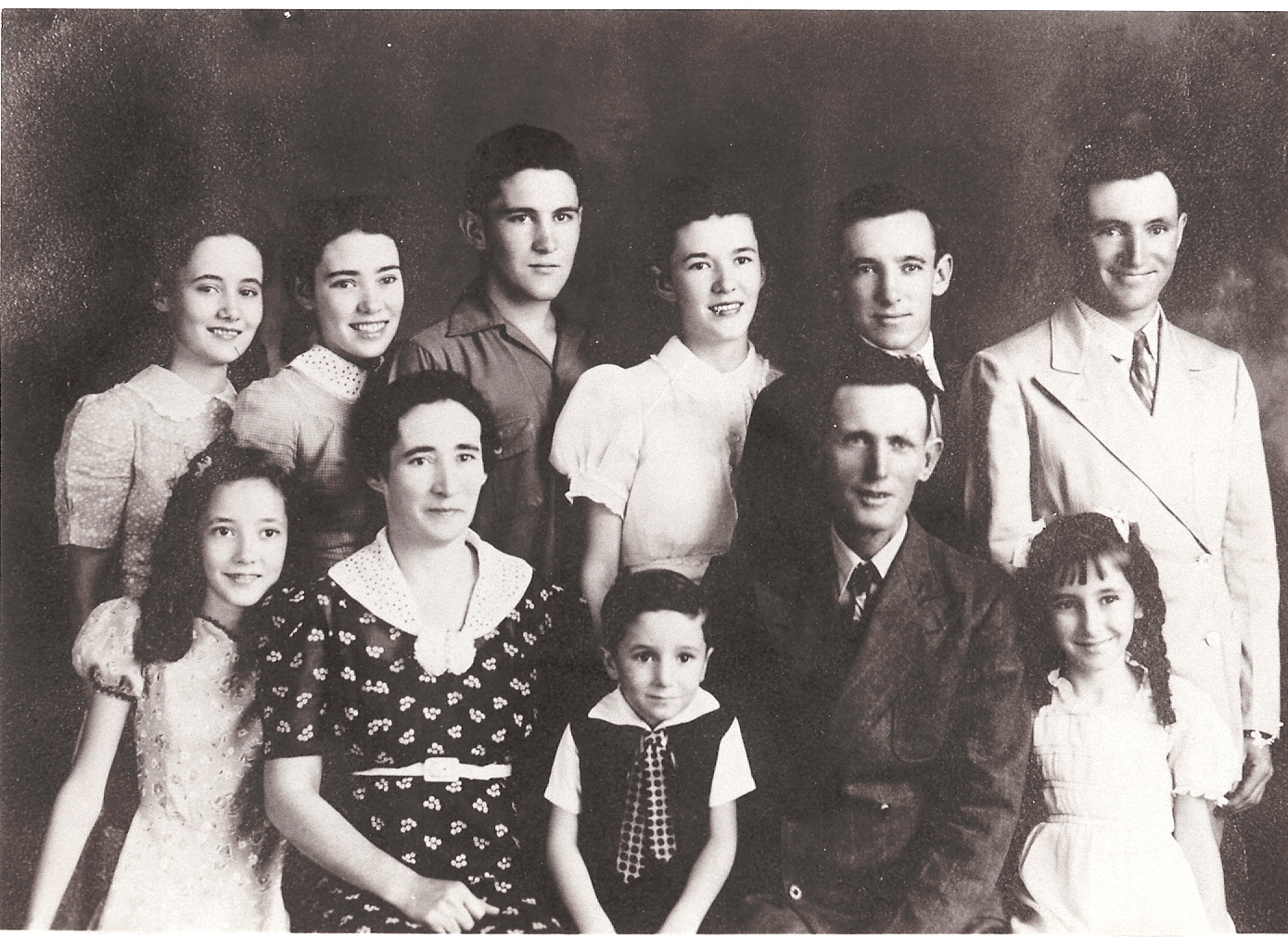
The Family of Sylvia and Tom. Left to right, front: Una, Sylvia, Thurston, Tom, and Sula. Back: Joy, Carmyn, Graydon, Tomazine, Douglas, and Durward.

Great strength comes from family tradition. I’ve seen it once again for myself, a gathering of elders I’ve known all my life. In the days and hours leading up to this October reunion, trepidation warred with exhilaration in the prospect of seeing my kin again. Three days past my last contact, I am only now able to let the anxiety fall away.

toma
Tomazine, oldest of the girls and third oldest of Sylvia’s children. Mother of seven who adopted four more orphaned children. Gardener, artist, advocate for common sense and women’s liberation.

Why anxiety? The clan was the community, at least for many of us older ones, and gathered each summer for a week of Rook tournaments, debates on myriad subjects, talent shows, and general mayhem. These people were my judges as well as my mentors, the audience for baby pranks and elementary accomplishments. Like my forty first cousins, of which I was the fifth oldest, I was subjected to quizzes and scrutiny on everything from the ruffles in my skirt to the cleverness of my retort.

A person would think that by the age of sixty-seven, I would have grown past the traumas and dramas of childhood. But no, like the genes we share, interactions with the pantheon of my mother’s family remain a strong influence. I should be glad of the genes—of my Grandmother Sylvia’s nine children, six remain among the living. The oldest recently celebrated her 96th birthday. The youngest, feted at this recent gathering for his 80th, remains—like all of them—in remarkably good health.

carm
My mother Carmyn, mother of five, gardener extraordinaire. College graduate, family historian. Early advocate for environmental protection and organic food.

Matriarch to her own tribe of five offspring, my mother was the middle child of nine born to an even sterner matriarch in Sylvia. Herself the oldest of nine, Sylvia followed a lineage of strong women who simultaneously chafed at the yoke of traditional wifedom while, at least in theory, subscribed to the religious role of subservient ‘helpmate.’ Sylvia’s mother Zeulia raised nine in a marriage with a man never far from his Bible but nonetheless willing to watch his aging wife wade out into mid-winter snow to gather firewood. Zeulia’s mother Armina enjoyed a few years of happy marriage to Jeptha Futrell and the arrival of two sons (one of whom, Junius Marion Futrell, became a governor of Arkansas) before losing Jeptha to pneumonia and remarrying during Arkansas’ devastating aftermath of the Civil War. Armina’s mother Frances Massey, as the fabled family account goes, grew up in the lap of southern luxury at her father’s plantation only to elope at age thirteen with the property’s caretaker Jimmy Eubanks. Their first child, born when she was fourteen, was said to have a head the size of a teacup and yet grew to robust male adulthood.

joy
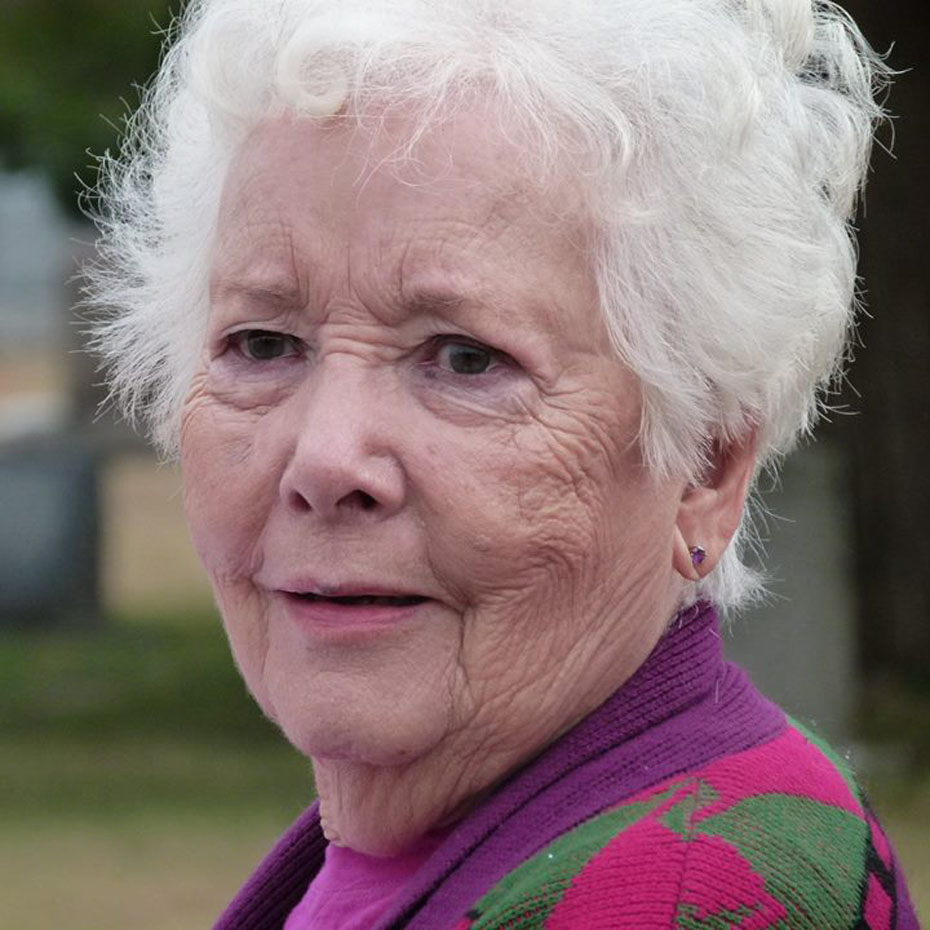
Joy, fourth youngest, mother of four. College graduate, school teacher, gardener, comforting presence.

By the mid-1840s, Jimmy and Frances crossed the Mississippi River on a barge and set up housekeeping in the northeast wilds of the new state of Arkansas. Subsequent generations married and lived in similar barebones circumstances in the farmlands near Crowley’s Ridge. After the Civil War, some of the family settled in Texas, and by the time my mother was born in 1923, entire households pulled up stakes each season to pick cotton in Texas before returning to “God’s Country” for the winter.

At the time Sylvia gave birth to her first child, her mother Zeulia was still producing children of her own. Both generations lived together at times in dog-trot houses on Ozark dirt farms, scraping up a livelihood from gardens, milk cows, and free range chickens and hogs. Despite their often desperate economic conditions, the families pursued education. Of my cousins, several hold graduate degrees and many more undergraduate degrees, while others have become successful entrepreneurs, engineers, and educators.

una
Una, mother of eight and third youngest of Sylvia’s children. College graduate, world traveler, genealogical researcher, firecracker in general.

We are told that our genes carry not only the codes for our biology, but also the encoded experiences of our ancestors. I’m left to wonder if my tendencies toward worry derive at least in part from the epigenetic traces of the Civil War and the Great Depression. Is my desire for solitude and rural landscapes the result not only of my own life but even more from the generations of ancestry that found safety and sustenance in the land?

As far back as genealogical research has taken us, efforts largely spearheaded by one of my aunts, the family follows a long tradition of yeoman farmers. Perhaps we were serfs not too many centuries ago, tuned to the change of seasons and the requirement to please a rich master. Our histories find sparse mention of cities and their trappings. We care more about the weather than women’s clubs, more for landscapes than local politics. Yet we do care, passionately, about our freedoms and the direction of the nation despite the fact that we divide fairly evenly between conservative and liberal.

sula
Sula, second youngest and mother of four. Avid Razorback fan, gardener, loving wife. Current holder of the Rook championship trophy.

Of the forty cousins, only fourteen made an appearance at this gathering. Only six or seven lingered for more than one evening. My oldest, now turning forty, waded in and was welcomed as were a few other grandchildren. My mother and two of her five siblings live in this area. Three others, two from Texas and one from New Mexico, stayed for six days, variously taking naps, visiting graves and old homesteads, and arguing over Rook scores. Wrenched to see them come and equally wrenched to see them go, I have since stared out my office window to contemplate the emotions set in play by the event.

The cousins who did attend agreed not to let our next meetings occur only at funerals. Inevitably, the funerals will come, not just for our aunts and uncle, but for us. There’s the strange comfort of time and conversation with those we’ve known all our lives, even though as adults we have little in common, hardly know each other at all. There are our children, grandchildren, even great grandchildren of which we are barely cognizant, yet each of them remain connected in these threads that grow ever thinner as the generations expand.

Thus is the history of all man’s tribes.

thurston
Thurston, youngest of the clan. Father of five, loving husband, modern day farmer and Razorback fan.

As children, my cousins and I not only played together at the annual family reunions but also at reunions of Sylvia’s siblings. We learned the names and faces of great aunts and second cousins, many of them still firmly entrenched in the lands of northeast Arkansas. The rest of us have remained as near as northwest Arkansas or as far as Georgia, California, and all points in between. There’s a mathematical impossibility to any attempt to acquaint the offspring of the forty cousins, or even to gather the forty cousins in one place.

Whether knowledge of one’s ancestry holds any relevance may be debated from various points of view. Whether I want to have these ties or not, I can’t imagine life without them. The huge array of people linked to me through family offers an oddly reassuring backdrop to any of my peculiar interests and life patterns. I’m no longer a child intimidated by their observation or awed by their arguments. They care about me as I care about them, not because we’ve done anything in particular to earn the caring, but simply because we are connected by inheritance.

We’re still a tribe.

Money in Socks

socksMoney doesn’t just appear of out thin air. Somebody has to build something, repair something, grow and harvest something. Value begins with some real thing that people need: food, shelter, clothing.

So where does wealth come from?

I don’t pretend to be an economist or any other form of expert on financial matters. I get that there’s a need for advertisers, wholesalers and distributors, transporters, and retailers. I agree that those who work hard should gain appropriate reward. I agree that for each phase of ‘handling,’ additional value is added so that the end product costs more than the producer’s price.

My issue is with people whose wealth exceeds imagination and derives from the honest labor of other people. There’s no value added. The only ‘work’ of the rich is to shuffle their money around.

Before the mega rich got mega, local producers of socks made a dollar for every pair the wholesaler purchased. The wholesaler made 25¢ for every pair he sold to the stores in his distribution circles. The store made 25¢ for every pair they sold to consumers. Consumers paid $1.50.

Lots of producers, lots of wholesalers, lots of stores meant lots of employed people making a modest income. They spent their money at the local stores and restaurants and invested in their kids’ schools and city parks. Newcomers could hang up a shingle for their own sock business and get in the game.

Enter the big shots. Sam Walton, for example. His clever idea was to cut out the wholesalers and buy directly from the producers. He sold the socks for $1.25. What cheap socks! Huge success.

Here’s the story. A few years passed and Walton expanded. Pretty soon the producers had no one to sell to except Walton. All the little wholesalers and retailers had been left in the dust as shoppers flocked to the discount store. Then Walton said, hey, sell me your socks for 75¢ a pair or I’ll buy from another producer.

Producers had no option but to seek ways to produce a cheaper sock—lower quality raw materials like synthetics instead of cotton, less expensive sources of raw materials like foreign markets instead of American, compromised design like shorter cuffs and thinner thread. Less expensive labor to produce the socks—foreign laborers who would work for a dollar per week.

Walton was still selling the socks for $1.25. The squeeze on producers tightened—ever lower prices = lower quality. The change was subtle. Yes, consumers noticed the socks were thinner and the cuffs shorter. They noticed the lack of cotton and higher synthetic content. They didn’t like knowing that Walton was sending sock production to China, but hey, the socks were cheaper.

We all went along. Oh, gee, look at these low prices! A big store with everything. Now I don’t have to go to a pharmacy, a grocery, a hardware store, a toy store, a fabric shop, and a clothing store. There isn’t as big an assortment here, and they may not have the same product two years in a row, but it’s cheap!

Meanwhile, income had become stagnant. Where is the money?

Walton started hiring executives to push his money around. Find cheaper sources for socks. All synthetic. All made in Bangladesh.

Walton set up his own trucking company to carry his goods. Truck drivers and other transportation workers came to the corporate loading dock hat in hand.

Walton created an in-store brand that monopolized his shelf space at prices still lower than any previous suppliers. He didn’t have to advertise so his price didn’t reflect the advertising costs sustained by other suppliers. Store brand socks were shelved next to name brands at a significantly lower price.

The sock now costs Walton 25¢. He sells it at $1.25. All the profit flows to the top. To the richest people in the world, the Walton heirs.

It’s a business model that makes grown men weep. They weep not for the loss of mom and pop stores, of local distributors and truckers, not for lower quality goods and the flood of American jobs rushing overseas. The men weep in jealousy.

Why didn’t I think of that? I could be rich.

The model has been emulated many times now in the forty years since the Walton model was set in motion. Corporate is the way to go. Big is best. Everything flows up. It’s a matter of time (and not much of it is left) until all production, distribution, and retailing is controlled by a handful of superrich entities like the Walton family.

Want a pair of nice, well-made cotton socks? Guess what? There aren’t any other stores. Nobody makes socks anymore. Now you’ll pay $2.50 a pair for cheap uncomfortable socks made of synthetics in a fire-hazard factory employing children in Bangladesh.

The horses are out of the barn.

And running fast. Need a house or a car? Need a new roof or a new transmission? Despite “Always Lower Prices,” we can hardly afford the basics of daily life. Our earning power has steadily declined while the mega rich get richer. That giant sucking sound is all the money going to the top.

The solution to your lousy cash flow? Charge it!

The obscenely rich get rich not only by monopolizing the production, distribution, and sale of consumer goods but also by making their money available for your credit. How nice of them! Take your time paying them back—they’ll only charge 15-25% interest. Never mind that you’ll never emerge from debt. This is the new form of slavery.

The superrich have wrangled their way into our political process, our daily lives, and the infrastructure upon which we depend for everything from roads to medical care. Our brightest, most ambitious kids leave college to enter life as indentured servants. They’ll spend ten, twenty, or thirty years trying to pay off student loans—more of the financial empire of the superrich.

In a world where every decision is about profits, there is little hope for the average man. We live our lives in debt, ensuring that we never have time to foment rebellion or even learn enough to question the status quo. The moguls fold their arms and smile down, teasing us along with bits and pieces, at least enough to feed the myth of capitalism’s promise. The great American dream—we wouldn’t want to stand in the way of the little man who thinks he’ll strike it rich.

I can hear the naysayers now. Apologists for greed, for the corporate regime. Look at all the products we have now—all kinds of socks we never had before. But do we need to pay $6 for pink and purple socks? How do we know local producers wouldn’t have offered the same socks for $3?

We knew it wasn’t magic. We knew that the wealth had to come from somewhere. We just didn’t reckon on it coming from us.

Are we hardwired to grovel at the king’s feet, no matter the current incarnation?

Never mind the rebels who try to ‘buy local’ and think outside the box. They’re throwing rocks across the moat.

We wouldn’t want to allow workers to organize for better pay and better working conditions. That might limit profits and you know how all that trickles down.

We wouldn’t want to bust open Wall Street or cap pay for corporate executives—after all, they’re the geniuses who make the world go round.

Without them, we wouldn’t have socks!