Why the Puritan Agenda Must Not Prevail

The Founding Fathers’ collective vision of education in a democratic republic reflected their profound understanding of education’s essential role in ensuring the sustainability and robustness of the new nation. We were fortunate that the wealthy early leadership of the nation—Thomas Jefferson, John Adams, James Madison, and George Washington—shared a common conviction: that education was indispensable for self-government and the preservation of liberty. Jefferson and Madison insisted on the widespread diffusion of knowledge as foundational to liberty. They were acutely aware that an ignorant populace could be easily manipulated, that education was the bulwark against tyranny and mob rule.

Today in the United States, secular education is seen as a threat to religious belief by about ten percent of the population, which to a thinking person would hint at a problem with their religious beliefs. But it seems this small portion of the population instead sees the outlier status of their beliefs as a badge of honor, somehow proving they are right and everyone else is wrong. Yet while most Christian extremists rely on the science behind cell phones, modern medicine, and public health standards governing water and air quality, they suffer cognitive dissonance between their religious mythology and the realities of scientific advancement. The fear of new information is so deeply ingrained that these religionists cannot escape it. This is the kind of ‘knowledge’ and ‘faith’ that Christian extremists seek to embed in the minds of their children, and not just theirs.  

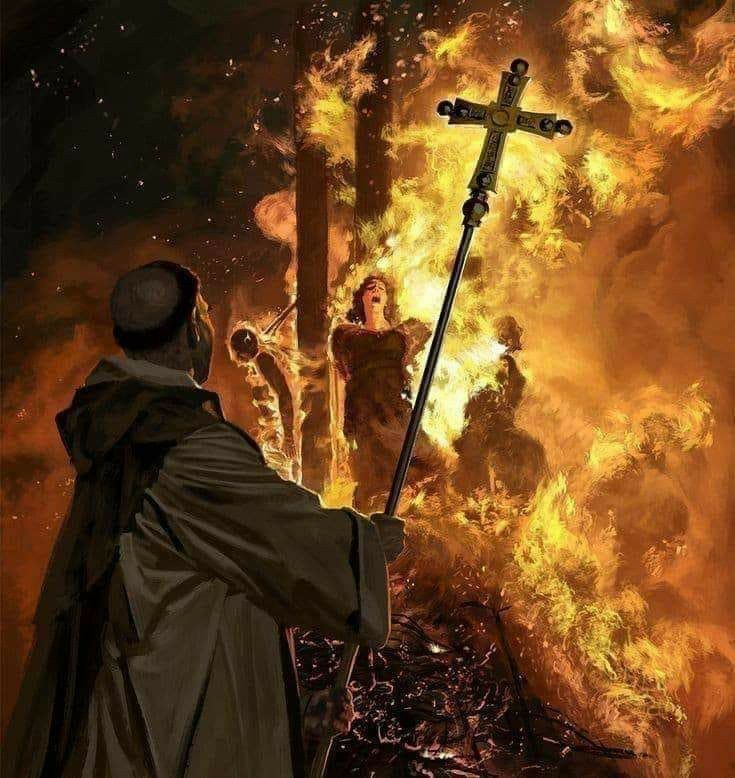
The intention is to force institutional ignorance onto the entire nation. For our own good, of course. Because otherwise their loving God will condemn us all to burn in hell for eternity.

We’ve seen this before, as elaborated in the first chapter, times when religious power brokers forced a population to adhere to specific doctrines and if refused, initiated imprisonment, torture, and death for the “infidels.” Christian Nationalist ideas of proper acceptance of authority are rooted in a belief that God holds supreme authority and has delegated power to specific earthly institutions—primarily the church, family, and state—to maintain order and enforce a Christian social hierarchy.

Adherents believe that specific leaders are chosen by God to “save the country,” as demonstrated by their continuing support of presidents such as Ronald Reagan, George H. W. Bush, George Bush, and now Donald Trump. A significant segment of Christian Nationalists and their supporters believe that Trump is a divinely ordained leader sent to save the United States, viewing him as a “warrior for Christ” tasked with restoring America to its perceived Christian roots. Because such leaders are seen as advancing a divine plan, supporters can overlook their breaches of democratic rules or norms as well as their personal immorality and perfidiousness, believing such actions are necessary to uphold a rightly ordered society.

It follows then that control over education and tax support for schools teaching these theories are a primary objective. But that was not the vision of the Founding Fathers or the visionary early 19th century government in establishing tax-support public schools. Fortunately, as science and other fields of study have advanced over the last 250 years, religious power over learning has diminished.
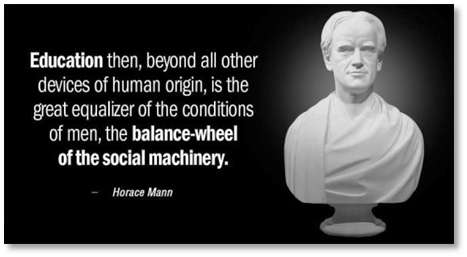
Leading us to this point has been the “common school,” established in the 1830s and 1840s in the new United States, comparable to today’s standardized public school. Considered the father of American education, Horace Mann envisioned common schools as institutions that were free and open to all students. In his role as Secretary of the Massachusetts State Board of Education (1837–1848), he established teacher training schools, improved school infrastructure, and raised educational standards. [1] He wanted those teachers to teach standardized curricula that instilled students with civic values. Catholic and other parochial schools in particular objected to Mann’s belief that schools should not adhere to any specific Christian sect, an argument that continues to the present day.

An obvious drawback of religious schools that is often overlooked is the inevitable assumption of such schools and their adherents that their beliefs are the only truth, that anything other than specific Christian dogma is a lie. Denial of science is the best example of this prejudice as scientific discoveries have slowly dismantled much of the institutionalized mythology enshrined by religion. As myth becomes ingrained in students of religious schools, their beliefs serve as a wedge between the people practicing that belief system and the needs of a nation to move forward in all areas such as advancing industry and the economy with new inventions based on new scientific discoveries and the acceptance of facts about human life previously not understood.

For the 68% of Americans who do not adhere or sympathize with the strict religious views of Christian extremists, the fundamentals of accepted education typically aligns with secular, pluralistic, and science-backed academic standards. These standards prioritize critical thinking and inclusivity rather than religious doctrine or rigid ideological frameworks. In fact, of the approximate 32% of Americans counted as Christian Nationalists, the actual adherents are only 11% while another 21% are considered sympathizers.[2]

The question of funding public schools boils down to what we expect our educational tax dollars to accomplish. Programs which teach narrow and exclusive religious doctrine are by definition not meant to support a cooperative relationship among persons of various cultural and religious backgrounds, but rather to hold up one belief system as the only truth. This becomes an impetus for authoritarian overreach and ultimately war, as history has long shown us.

While historically this conflict in the U.S. has been decided in favor of the constitutional standard not to mix church and state, the most compelling factor in the present day argument is that we all pay taxes and the majority of Americans do not agree that taxes should support the extreme Christian agenda. Tax support violates the First Amendment’s Establishment Clause by compelling taxpayers to fund the teaching of religious doctrines, essentially creating a government-sanctioned religion.

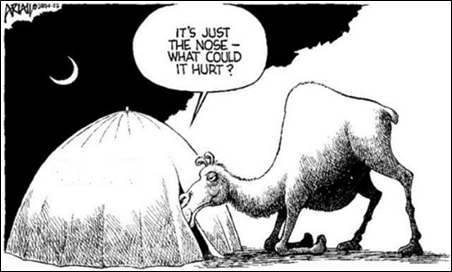
The slow but determined creep of Christian Nationalism shows every intention of overturning this Constitutional mandate. The camel’s nose is well under the edge of the tent. A 2024 investigation by The Washington Post found billions in tax dollars now pay tuition at private, mostly religious schools. For example, Florida’s voucher program is expected to exceed $3 billion, with over 80% of funds going to religious schools. Ohio is projected to spend nearly $1 billion, with 91% of voucher users attending religious institutions. Hundreds of thousands of students use these programs. The rise in funding is attributed to the expansion of voucher programs in Republican-led states, which now allow more or all families to qualify, shifting from programs once aimed only at low-income students.
Reduced funding for public education leads to layoffs, larger class sizes, and reduced individualized attention for students. Schools that serve the vast majority of students are forced to cut essential services, including arts, music, athletic programs, and after-school programming. There is less money for modern technology, up-to-date textbooks, and lab equipment. Meanwhile, private schools receiving public funds can exclude students based on religion, academic performance, disability, or sexual orientation, narrowing the educational options for those students. Vouchers can deepen racial and socioeconomic segregation by subsidizing tuition at private schools that often lack the diversity of public schools. Continued siphoning of funds can result in the closure of neighborhood public schools, particularly in rural areas where the school is a central community institution.

Long term erosion of financial support for public education puts the entire nation at risk, not only from prejudicial curricula in religious classrooms, but also from the inevitable schism between people educated in stringently oppositional systems. In a nation that has long pursued unity despite our different origins and beliefs, such divisive practices are a form of violence against the existing government.

The Supreme Court has said the Establishment Clause forbids, among other things, financial support of religious activity. Subsequent cases challenging the longstanding interpretation of the First Amendment have brought us to the Espinoza vs. Montana case, allowing tax dollars to flow to the parents/students of religious schools. This is by far not established law. While Espinoza reaffirmed that governments may not discriminate against beneficiaries solely on the basis of their religious character, it left open the possibility that governments might still be able to bar beneficiaries that would put public funds to religious uses.

The U.S. majority has become increasingly aware of the conflict between a religious agenda and our multicultural society. The percentage of Americans who say religion is “very important” has dropped from over 88%-95% in the 1960s to 47% in 2025. The latest Religious Landscape Study, fielded over seven months in 2023-24, finds that only 62% of U.S. adults identify as Christians. That is a decline of nine percentage points since 2014 and a 16-point drop since 2007. Within Christianity, 19% are Catholic, 3% are Mormon, Orthodox, Jehovah’s Witness, and other, and 42% are Protestant divided into Evangelical (23%), Mainline (14%),[3] and Historically Black Protestant (5%).

Projections indicate that by 2070, Christians could shrink from 64% (2020) to between 35% and 54% of Americans, while “Nones” (no religion) rise from 30% to over 50% in some scenarios. This shift drives religious zealots to push a movement which seeks to assert “dominion” over societal institutions, including government, education, and media, believing that Christian moral values should dictate law.

Growing concern within the U.S. public is slowly building into a response to Christian Nationalism, Dominionism, Christian Reconstructionism, and the New Apostolic Reformation (NAR) including tracking by civil rights organizations, legal challenges, and theological counter-movements from within Christianity. These initiatives aim to counter the rising influence of these new Puritan groups. Organizations like the Southern Poverty Law Center (SPLC) are actively documenting the spread of Dominionism,[4] profiling key leaders in the New Apostolic Reformation, and tracking associated hate groups. (This is directly connected to the Trump Administration’s May 2026 lawsuit against the SPLC in an effort to intimidate all civil rights organizations from speaking out and doing their work.)[5]

Scholars and progressive faith leaders are working to produce public-facing biblical interpretations that contradict Dominionist, coercive, and authoritarian interpretations of Scripture. Efforts are underway to inform the public and Christians about the anti-democratic nature of white Christian Nationalism and Dominionism to “inoculate” them against its appeal. The ACLU of North Dakota and other organizations actively fight against initiatives promoted by Dominionists, such as forcing religious prayer into public schools, banning books, and promoting anti-LGBTQ+ policies. Organizations like American Atheists oppose lobbying efforts to pass laws that violate the separation of church and state, such as those permitting discrimination under the guise of religious freedom. Researchers such as Dr. Matthew D. Taylor are working to expose the ties between modern charismatic prophets and the political, antidemocratic, and “spiritual warfare” approaches used to influence elections.

Defenders of the United States Constitution emphasize the importance of religious pluralism and the separation of church and state, arguing that Christian supremacy rejects these principles. Organized efforts underway to combat Christian supremacy include

  • A grassroots movement launched by the Baptist Joint Committee for Religious Liberty (BJC). It unites Christians across the theological spectrum to speak out against the merging of Christian and American identities.
  • Interfaith Alliance: A national, pro-democracy organization that mobilizes diverse faith communities to challenge Christian nationalism, protect civil rights, and uphold religious pluralism.
  • State Ecumenical Groups: Various regional faith networks, such as the Wisconsin Council of Churches, that host educational campaigns, study groups, and sermons to counter nationalist theology.
  • Americans United for Separation of Church and State: A leading organization dedicated to preserving the constitutional wall separating church and state. They actively litigate cases and advocate against policies that advance white Christian nationalism.
  • Freedom From Religion Foundation (FFRF): A prominent secular organization working to defend the constitutional principle of separation of church and state, frequently challenging religious favoritism in the public and political spheres.
  • Southern Poverty Law Center (SPLC): Monitors far-right and extremist movements. The SPLC identifies and exposes the ideologies and groups—including Christian supremacist and Dominionist networks—that threaten democratic institutions.
  • Public Religion Research Institute (PRRI): While not an activist group, PRRI conducts rigorous data-driven research and polling on Christian nationalism. Their work tracks the demographics and organizations that resist these movements.

These efforts fight against the adoption of “biblical authoritarianism” and the idea that Christians are mandated to take over societal institutions.

[1] Little, Becky. “Who Invented Public School in America,” History, Sept 10, 2025. https://www.history.com/articles/public-school-america-horace-mann

[2] More than half of U.S. Republicans are either adherents (20%) or sympathizers (33%).

[3] a group of historically established, traditional Protestant denominations in North America, often associated with a theologically liberal, progressive, or moderate approach to Christianity

[4] Dominionism (or Dominion Theology) is the religious belief that Christians are divinely mandated to take control of secular political and cultural institutions to establish the Kingdom of God on Earth. It is smaller and more fringe than broad Christian nationalism, but it holds disproportionate sway in certain fundamentalist, charismatic, and Pentecostal factions. While closely related, Dominionism and Christian Nationalism differ in their ultimate goals, theological roots, and how they view the relationship between religion, government, and the end of the world. Apparently neither group is familiar with the writings attributed to John in 18:36 where Jesus clarifies the nature of his realm: “My kingdom is not of this world.”

[5] https://www.aljazeera.com/news/2026/4/21/trump-administration-sues-southern-poverty-law-center-on-fraud-charges

This is the 4th chapter in the booklet New Puritans and the U. S. Peerage: The Willful Destruction of Public Education

The Education Problem: Bigger than the New Puritans

In 1975, Congress passed a law that mandated mainstreaming students with disabilities. The majority of funding for such programs was never enacted, leaving schools crippled with lower student achievement, increased teacher turnover, and wider educational equity gaps, particularly impacting low-income and minority students. These well-intentioned programs have led to overcrowded classrooms, reduced access to specialized services (such as special education), and fewer extracurricular opportunities, hindering long-term student success and limiting workforce readiness.

The inevitable subsequent shortcomings of education opened the door to other assaults. In the lack of adequate funding, schools frequently cut arts, music, advanced placement courses, and crucial special education, behavioral intervention, and occupational therapy services, most of which offset the likelihood of substance abuse and are key for some students’ success in life. Opportunities are increasingly lost for the social bonding which occurs for participants in school extracurriculars like band or debate to form important relationships that can extend throughout lifetimes. [1]

When Congress passed a broad law on educating children with disabilities in 1975, it agreed to kick in federal dollars to help cover the excess costs of meeting students’ individual education needs. In the time since, federal funding for what’s now known as the Individuals with Disabilities Education Act (IDEA) has consistently fallen short of the target included in the law, leaving state and local officials on the hook. Education groups, who call that shortfall an unfulfilled promise, have long campaigned for “fully funding” IDEA, which underpins services for nearly 7 million students with disabilities. More federal funding for IDEA, which gets $13.6 billion in the current budget, would help special education programs, they say, but it would also more broadly affect all students as schools would no longer have to pull as much from their general education budgets to meet the law’s mandates.

The failure of Congress in 1975 has meant fifty subsequent years of underfunded public education in the United States. Despite some improvements and recoveries, experts note that student achievements have not consistently regained the levels reached in the mid-1960s, while international rankings for math and science have dropped in more recent decades.[2] This educational decline has served as a convenient back door which religionists began using as a justification (along with civil rights legislation forcing school integration and other factors) to put children in private schools.

Currently, according to the Congressional Research Service, funding is at less than 12 percent, and the IDEA shortfall in the 2024-2025 school year nationwide was $38.66 billion. A bipartisan bill currently in Congress, the IDEA Full Funding Act, would fully fund the IDEA programs. By forcing the federal government to meet its obligation of funding 40% of special education costs, local districts could free up their general budgets—currently used to fill the special education funding gap—to support regular education initiatives.

As a result of this deficiency and along with the obsessive intentions of the new Puritans, even greater burden now falls upon public schools as private and religious school vouchers allow those schools to deny admission to special education students. Only about 58.7% of all private schools in the U.S. enroll at least one student with an Individualized Education Program (IEP) or a formally identified disability. While overall enrollment is lower in Catholic schools, they have higher inclusion rates, with 72.7% to 83.8% serving students with disabilities. This means that only about 1.4% of total students in private schools have formally identified disabilities, although studies suggest a higher 6-9% of students may actually have needs.

This funding gap causes inadequate disability services in public schools. Ironically, as more funding is diverted from public schools via vouchers, schools have even fewer resources to serve students with disabilities, accelerating the demand for school choice and further diminishing public education resources.

Exacerbating this problem is a continuing increase in the number of handicapped students. The number of students with disabilities served under federal programs has roughly doubled since the mid-1970s, growing from approximately 3.6 million in 1976-77 to over 7.5 million by 2022-23. Students with disabilities now account for 15% of total public school enrollment, up from 8.3% in 1976, dramatically increasing the financial burden on public schools. This rise is driven by increased diagnoses of ADHD, autism, and severe anxiety (especially post-pandemic), coupled with reduced stigma, better screening, and greater awareness of legal rights for accommodations.

In classrooms where students with disabilities lack a dedicated personal attendant, responsibility for bathroom and feeding needs falls on school-provided staff, typically special education teachers, para-educators (TAs), or classroom aides. These services are legally mandated under a student’s IEP (Individualized Education Program) or 504 Plan to ensure participation in the least restrictive environment, but are often not provided but to inadequate funding.

As a result, classroom teachers have been forced to step away from teaching the rest of the class to personally attend key tasks including toileting support, feeding, dressing, hygiene (such as nose wiping, menstrual care), and mobility assistance like transfers or repositioning. This care often includes behavior management, medication supervision, and facilitating meal times. Ideally, such duties would fall to paraprofessionals trained and hired to provide such care, but lack of school funds often leaves these duties up to classroom teachers who are not only not trained for such efforts, but also not able to accommodate the needs of the rest of their students.

No wonder teachers are leaving the profession. Data indicates that 51% of classroom teachers feel ill-equipped to implement required IEP services, and high turnover exists due to excessive workloads in special education. One elementary teacher stated that by the time she had tended one student’s temper tantrums and assaults on other students plus feeding and bathroom duties in her first grade class, she had almost no time left to actually teach the other 23 students in her classroom.[3] 

That unfunded mandate continues to echo through much of the failure cited today in justification for school vouchers. No one can claim that promoters of IDEA foresaw the lack of funding perpetuated by Congress or the long term role that failure would have in the promotion of school vouchers, but in hindsight the facts are clear: the compromise of public education quality due to the underfunded mandate of IDEA contributed significantly to a rising call for school vouchers.

Adding Insult to Injury

Eliminating the federal department overseeing education is just one of several recent attacks on U.S. public education. As recently as 20 years ago, the United States was ranked No.1 in high school and college education. Sadly, by 2025, in the World Top 20 Project’s Final Rankings of 201 nations’ education systems, the list of best twenty educated countries for 2025 does not include the United States. The U.S. education system generally ranks in the middle to lower tier of developed nations for K-12, particularly struggling in mathematics while performing better in science and reading. According to 2022 PISA data, the U.S. ranked 34th in math, 16th in science, and 9th in reading among 81 education systems, though it remains a global leader in higher education.[4]

Although funding is a critical criterion for the system, American students are also falling behind due to a combination of pandemic-era learning disruptions, increased technology distractions, a deepening teacher shortage, and systemic inequality. Scores in reading and math dropped to historic lows following 2020, with declines continuing due to, in part, reduced student focus, weak accountability, and declining mental health. While remote learning during COVID-19 accelerated losses, student performance in math and reading was already declining since roughly 2013. Heavy use of smartphones and social media is linked to reduced attention spans and lower academic engagement. A 30% drop in teacher enrollment (2010–2019) and low salary growth have made it harder to fill positions.

The U.S. system leaves behind low-performing students more than other developed nations, with significant achievement gaps linked to school funding and location. Schools are facing lower standards and fewer consequences for poor performance compared to previous decades. In 2022–2023, schools reported that roughly half of their students were behind grade level. Many students arrive at college underprepared, leading to high drop-out rates and debt, as schools struggle to align with modern workforce demands. Experts suggest focusing on tutoring, intensive learning recovery, and addressing student mental health.

But that’s hardly enough. American schools face severe faculty shortages, largely due to high turnover rates and a shrinking pipeline of new teachers. Key causes include stagnant, low salaries relative to the cost of living, heavy workloads, declining professional prestige, and intense political scrutiny. These factors drive roughly 40% of new teachers to leave the profession within five years. To gain and maintain sufficient faculty, U.S. schools need competitive compensation, improved retention through mentorship, and broadened hiring criteria—such as valuing professional experience alongside terminal degrees.

Lack of respect for educators is most obvious in the approach to curriculum and teaching methods. Teachers in U.S. public schools often lack a voice in curriculum due to top-down mandates from state and district leaders, high-stakes testing pressures, and increasing political interference. Curricula and textbooks are frequently chosen by politicians and administrators to meet standardized goals or as sold by companies, forcing teachers to follow rigid plans rather than exercising their professional expertise to meet the needs of their students.

Evidence suggests U.S. education rankings and student achievement would likely improve if teachers had greater control over curriculum, textbooks, and school operations. Schools with high teacher leadership in school policy and curriculum development can see student proficiency scores in math and reading increase by at least 10 percentile points.

Teachers are the only persons in the entire educational system certified to have the necessary tools to actually educate. Specialized coursework educates prospective teachers in educational psychology, child development, curriculum planning, assessment methods, classroom management, and technology integration, alongside supervised student teaching. Their college educations for secondary education provide knowledge of history, mathematics, science (biology, chemistry, or physics), social studies, and English and language arts, and depending on their major field of study, experience with arts, music, foreign language, or physical education. Students preparing to teach at the elementary level focus on reading development, foundational math, science, and social studies.

Policymakers, politicians, and district leaders often prioritize compliance over teacher expertise, leaving educators restricted in what they can teach. Many educators self-censor their curriculum choices due to fear of backlash over political or social issues, knowing they lack support from administration if complaints arise. School leadership and state governments often impose curricula rather than collaborating with classroom experts, reducing teachers to implementers rather than creators. Also, the obsession with high-stakes testing encourages, or requires, teachers to follow a rigid script that ensures covering tested materials. In an Alice-in-Wonderland twist, potential backlash is itself a symptom of failed education among the voting public.

A love of learning significantly helps people later in life by protecting against cognitive decline, fostering adaptability, and increasing fulfillment in retirement. It boosts mental health by creating new neural pathways, reduces risks of dementia, and provides a sense of purpose. Lifelong learners maintain better social connections and professional relevance. A love of learning fosters critical thinking and curiosity, and empowers citizens to analyze complex issues rather than blindly following narratives, directly strengthening democracy. Educated individuals are more likely to participate in political processes, stay informed, and tolerate diverse viewpoints, reducing polarization.

Individuals with a love of learning often have higher education levels, which strongly correlates with increased voter turnout, political discussion, and civic engagement. Education teaches citizens to gather empirical evidence and analyze political issues rather than merely accepting rhetoric. A committed, curious citizenry is essential for identifying misinformation, especially as AI makes fabricated media harder to detect which, in turn, leads to the kind of political chaos currently occurring in the United States.

Teachers can and do foster a love of learning by cultivating curiosity, building safe environments, and modeling passion for their subjects. Teachers inspire this through student-centered learning, rather than just lecturing, which transforms students into active participants. Yet in a 2003 survey, only 24% of teachers identified “inspiring a love of learning” as the most important part of good teaching. While almost all teachers value curiosity, studies indicate that only a minority consistently implement high-level curiosity-promoting behaviors, with one study finding that only about 60% provide general opportunities to think or participate.

A group of University of California, Berkeley researchers found that when young children were shown exactly how to do something, they subsequently engaged in less exploration on their own than those who had received no explicit direction. Likewise, enthusiasm about reading—a key predictor of proficiency—tends to be lower when children are subjected to systematic phonics-based instruction rather than a literature-based approach, as Dominic Wyse and Charlotte Hacking explain in their new book The Balancing Act. Math teacher and research mathematician Paul Lockhart, meanwhile, wryly described the conventional curriculum in his field as “a proven cure for curiosity”—also an apt epithet for worksheets.[5]

Research also shows a sharp decline in curiosity as students get older, often due to school practices.[6]

This isn’t a failure of teachers, who often struggle to encourage student curiosity in the quagmire of rigid, test-driven school structures, packed curricula, and a focus on compliance over exploration. Structural constraints like inflexible schedules and standardized testing force teachers to prioritize efficiency over organic, student-led inquiry, which requires time to explore. Further, many teacher training programs prioritize classroom management and content delivery over teaching storytelling, curiosity hooks, or how to spark wonder.

Decreasing educational outcomes in the U.S. diminish long-term economic growth by reducing workforce productivity, lowering lifetime earnings, and increasing public expenditures on social services. A less skilled workforce slows innovation and global competitiveness, with gaps in achievement potentially causing trillions in lost GDP. These declines fuel social inequality, as students from lower socioeconomic backgrounds are disproportionately affected, hindering social mobility. Long-term consequences include increased income inequality, higher crime rates, and strained public resources.

Perhaps more importantly, these shortcomings significantly alter the political landscape by driving educational realignment, widening the partisan divide, and potentially lowering overall voter turnout. Voters without college degrees increasingly favor the Republican Party, while college graduates lean Democratic, shifting party platforms and strengthening political polarization.

This political alignment resulting from diminished educational success is without question a driving principle behind Trump’s aggressive attack on the nation’s flagship universities.[7]

The Trump administration has gutted scientific research funding in the United States to punish ‘liberal’ universities and threatened research institutions with sanctions.  …Universities are now afraid to collaborate with any other country.  Private industry has not stepped up to fund basic research.  Science and technology are collapsing in America and we are steadily falling behind the rest of the world.  China, Japan, the European Union, and the United Kingdom have all maintained robust scientific research programs. Trump’s failure to understand the value of scientific knowledge is creating a Sputnik-like technology deficit in the U.S. that will be extremely difficult to overcome.

As reported in October 2025, the Trump administration sent schools a 10-point memo titled “Compact for Excellence in Higher Education.” Largely rejected, the compact would limit international student enrollment, force universities to share student information with the federal government, enforce the adoption of a specific definition of gender and threaten affinity spaces, and take action against actors that “punish, belittle, and even spark violence against conservative ideas.”

Enter the Heritage Foundation

Project 2025, a policy blueprint authored primarily by The Heritage Foundation, envisions a nation without a department of education. Currently more than 50 high-level officials and approximately 70 percent of the Cabinet have documented ties to the Heritage Foundation and the groups allied behind the Project 2025 agenda. The goal is to install a “4-pillar” plan to restructure the executive branch, focusing on conservative, and often right-wing, ideals. The project explicitly targets for removal or avoidance several ideologies and policies it deems anti-conservative, “woke,” or contrary to its vision of American society. A review of this “blueprint” reveals an absolute denial of science that puts human existence at risk.  

The main ideas, policies, and ideologies to be avoided or eliminated by Project 2025 include: [8]

  • The project treats “gender ideology” and “transgender ideology” as “social contagions” to be removed from public life, education, and government. It calls for outlawing transgender rights, ending protections for trans people in the military, and equating “transgender ideology” with pornography. Yet science has confirmed that gender identity exists on a spectrum, an unavoidable physical condition set in the womb including being born appearing female but have a 5-alpha reductase deficiency and grow a penis at age 12.

Such conditions of gender dysphoria often remain hidden until adolescence when hormones rise to manifest their genetic directives. What a tragedy for young people with one of these conditions who may be forced to suffer a condition becoming increasingly obvious as they move through adolescence. Medical treatments can mitigate the advancing crisis, but those represented by the Heritage Foundation (and others ignorant of science) would deny the existence of their conditions, creating not only a physical crisis but also emotional and psychological trauma. Needless to say, such a crisis severely undercuts a young person’s ability to gain an effective education.

Another hidden tragedy in this ignorance of science is that it embeds hypocrisy into religious thinking. Modern science has discovered not only the cause of such genetic factors, but also hormonal means of helping these people gain greater equilibrium in their conditions. In a rational consideration, to deny both the medical diagnosis as well as an effective treatment for gender dysphoria would also deny diagnosis and treatment for a myriad of other medical conditions: cancer, for example, or tuberculosis, epilepsy, or diabetes, all of which were considered total mysteries, frequently believed caused by divine punishment or demonic possession. What other conditions and treatments would the new Puritans discard from our society?

  • Whether or not a person identifies as Lesbian, Gay, Bisexual, Transgender, and Queer (or Questioning) (LGBTQ) also falls into the science denialism of Christian Nationalists. As typical of religious extremists, other people’s private activities, in particular their sexual relationships, form a primary target for authoritarian control. Yet despite wishes to the contrary, sexual identity is not a matter of choice or ‘perversion.’

Genetics play a role in a person’s sexual identity, but it is highly complex. Hundreds of genetic variants can predispose a person to same-sex behavior, meaning DNA alone cannot predict a person’s sexuality. Scientists believe that conditions in the womb significantly influence sexual orientation. Factors such as fetal exposure to varying levels of sex hormones (like androgens) during critical periods of brain development and maternal immune responses during pregnancy help wire attraction before birth.

Separately, the environment can influence how genes work without changing the DNA sequence itself, a process called “epigenetics.” Some theories suggest epigenetic “switches” are passed down across generations and act to protect parents from hormonal extremes in the womb, which can subsequently influence brain development and attraction in their offspring.

The reality of science should serve to deny religionists the ability to blame matters of gender and identity as a sinful choice. It should eliminate any idea of forcing such persons into conversion therapy, either private practice or facilities operating under the scientifically debunked premise that LGBTQ+ identities are a mental illness, defect, or choice and using harmful practices such as faith-based boot camps or church-operated programs that use prayer, isolation, and guilt to “cure” same-sex attraction along with extreme measures including physical labor, emotional abuse, and deprivation.

  • Another Puritan initiative seeks to purge DEI programs, race-conscious admissions, and “wokeism” from federal agencies, the military, and educational institutions, labeling them “managerialist left-wing race and gender ideology.” These include Critical Race Theory, calling for the removal of critical race theory from public schools and federal funding for programs that teach it. CRT is an academic and legal framework, developed in the 1970s and 80s that examines how racism is systemic and embedded in legal systems and societal institutions, rather than just a product of individual prejudice. Denialism by religionists does not erase the reality of prejudice in cultural traditions driving racism and other harmful discriminations.
  • Project 2025 also calls for eliminating all references to climate change and the need to reduce greenhouse gas emissions. The policy seeks to stop the “war on oil and natural gas,” leaving young people without the knowledge of how to address the warming of our climate.
  • Project 2025 advocates for the abolition of the U.S. Department of Education, returning control of education to states, and promoting school choice over public schools. It aims to remove “pornography” and “woke propaganda” from school libraries, often targeting books with LGBTQ+ content, and seeks to move the nation away from what it considers “leftist” and “woke” ideologies, focusing instead on a “biblically-based,” traditional, and nationalistic approach to American governance and society.

Despite the new Puritan efforts, every thinking person knows that public education must embrace the truths revealed by modern science, bestowing upon our coming generations the insights and understanding necessary to motivate participation in our democracy. Above all, secular education must ensure the survival of our Constitution in its original intent, that religion remains utterly separate from the operations of our government.


[1] Blad, Evie. “Why the Fed Still Falls Short on Special Education Funding,” Education Week, Jan 10, 2020.  https://www.edweek.org/teaching-learning/ why-the-feds-still-fall-short-on-special-education-funding/2020/01

[2] For a more detailed overview, see Shimabukuro, Jim. “The Decline of U.S. Public Education Began in 1967,” Educational Technology & Change, Feb 13, 2026.  https://etcjournal.com/2026/02/13/the-decline-of-u-s-public-education-began-in-1967/

[3] Author’s personal correspondence with the teacher

[4] New Jersey Minority Educational Development (NJMED) organization. Each country’s ranking is based on five educational levels: early-childhood enrollment rates, Elementary Math, Science and Reading scores, Middle-School Math, Science and Reading scores, High School Graduation rates, and College Graduation rates. https://worldtop20.org/worldbesteducationsystem/

[5] Kohn, Alfie. “All Learning, No Questioning: How Schools Smother Curiosity,” Education Week, Sept. 23, 2024. https://www.edweek.org/teaching-learning/opinion-all-learning-no-questioning-how-schools-smother-curiosity/2024/09

[6] Regarding student curiosity as part of classroom outcomes, see Jirout JJ, Zumbrunn S, Evans NS, Vitiello VE. Development and Testing of the Curiosity in Classrooms Framework and Coding Protocol. Front Psychol. 2022 Apr 7;13:875161. doi: 10.3389/fpsyg.2022.875161. PMID: 35465531; PMCID: PMC9022842.

[7] Soeder, Daniel J. “Science, Technology, and Society Discussion Corner,” Facebook, Dec 1, 2025. https://www.facebook.com/groups/ScienceTechnologyAndSocietyDiscussionCorner/posts/10173237402565008/

[8] See, for example, Boucher FJO, Chinnah TI. Gender Dysphoria: A Review Investigating the Relationship Between Genetic Influences and Brain Development. Adolesc Health Med Ther. 2020 Aug 5;11:89-99. doi: 10.2147/AHMT.S259168. PMID: 32801984; PMCID: PMC7415463. https://pmc.ncbi.nlm.nih.gov/articles/PMC7415463/

This post is from Chapter 3, New Puritans and the U.S. Peerage: The Willful Destruction of Public Education

Education Is A National Priority

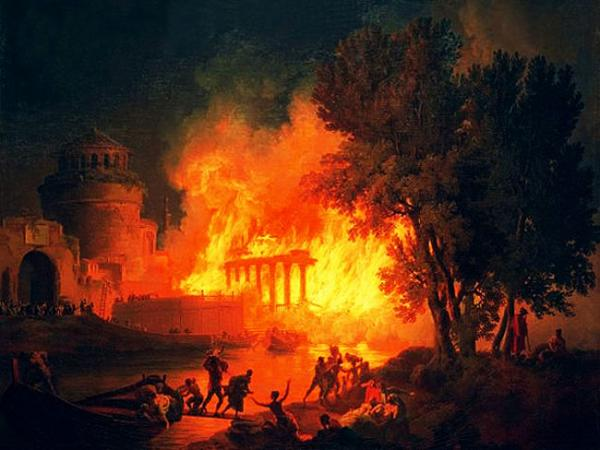
Throughout our national history, conflict over education has erupted with tiring regularity. Soon after the Revolution, common schools were designed by Protestant elites to foster “Americanization,” but they used the King James Bible and Protestant curriculum. Irish Catholic immigrants in New York and Philadelphia resisted what they saw as forced indoctrination and demanded public funds for their own schools. These tensions led to riots in Philadelphia in 1844, where Catholic homes and churches were burned. This conflict cemented the shift towards non-sectarian public schools, although they often retained a general Protestant character.

Many citizens, particularly wealthier ones, were reluctant to pay taxes for other people’s children to be educated. Some workers resisted the invasiveness of compulsory education, as it kept children out of the workforce, forcing some towns to temporarily abandon or reduce public school efforts, such as in Beverly, Massachusetts, in 1860.[1] Child labor was highly widespread in the U.S. during the late 19th and early 20th centuries, with over 1.75 million children aged 15 and under (roughly 18% of the workforce) reported as working in 1910. Children as young as 3 or 4 were sometimes used for small, specialized tasks, while 5 to 8-year-olds were frequently employed in hazardous textile mills, mines, and factories. Child labor was finally curbed by the Fair Labor Standards Act of 1938.[2]

Before the Civil War, most Southern states passed laws making it illegal to teach enslaved people to read or write out of fear that they would read abolitionist literature, such as David Walker’s Appeal, and communicate, fueling organized uprisings like Nat Turner’s Rebellion of 1831. Also, literate enslaved people could read maps, forge travel passes, or write passes for themselves to escape to free states, a method used by many to escape bondage. Slaveholders believed an illiterate, ignorant enslaved person was easier to manage and obey, whereas literacy made them “disconsolate and unhappy” in their captivity. And literacy challenged the white supremacist justification that Black people were inherently inferior, unintelligent, or “less than human.”

Even in northern states, black children were largely denied access to public schools, often being forced into segregated, inferior schools, leading to early school desegregation battles, such as Roberts v. City of Boston in the 1840s. The “Slave Bible”—formally titled Select Parts of the Holy Bible for the use of the Negro Slaves—was used in the 19th-century United States, particularly in the South, though it was primarily produced in London in 1807 for British Caribbean colonies. It was a heavily redacted version of the Bible created to promote obedience and prevent slave revolts, with 90% of the Old Testament and 50% of the New Testament removed.

Following the Civil War, southern schoolhouses became battlegrounds to teach the “Lost Cause” narrative—a false interpretation of history that portrayed slavery in a positive light and argued the war was over states’ rights, not slavery. School officials strictly monitored textbooks to ensure they did not challenge Confederate interpretations of history. This led through coming decades to culminate in Brown v. Board of Education (1954) in which the Supreme Court ruled that separate schools were “inherently unequal.” Decades of “massive resistance” from Southern states ensued. In the 1970s, court-ordered busing forced integration in schools resulting in violent protests, most notably in Boston in 1974, and contributed to “white flight” to suburban schools. In response to integration orders, numerous private, segregated religious schools were established, particularly in the South, to circumvent desegregation.

Concurrently, the Scopes “Monkey” Trial in 1925 was a landmark confrontation between traditionalists (conservatives) and modernists (progressives), focusing on a Tennessee law prohibiting the teaching of evolution in public schools, effectively curbing the teaching of science for several decades.

School prayer remains a hot topic for both religionists as well as those defending the Constitution, with two lawsuits serving to define the subject. Engel v. Vitale (1962) and Abington School District v. Schempp (1963) declared that state-sponsored Bible reading and prayer in public schools were unconstitutional, fueling long-term debates over the secularization of public education. The fact is that public school children have always been able to pray when and wherever they pleased. What upsets religionists is that children in public schools cannot be led in prayer by adults—not teachers, not parents, not the principal. The desire to inculcate all children through prayer voicing religious doctrine drives this falsehood.

The later part of the century was marked by “curriculum wars” over the inclusion of diverse, non-European perspectives in history and literature curricula, which opponents claimed was a political attack on traditional national identity. Like the prayer argument, the textbook/curriculum battles continue unabated today, with most book content decided by heavily-conservative boards. [3]

“Given the high concentration of students in Texas and California, textbook makers know…they need to create books that are going to be approved by those large states.” said Dr. Max Altman, director of research and policy at the Southern Education Foundation. Altman said that requests for changes and outright rejections based on the inclusion of certain concepts are what make California, Florida and Texas so influential.

“This small group of people who approve textbooks within a couple of states have a very, very large effect on what students across the bottom of the United States and really across the country as a whole are able to learn,” he said.

[This 2022 article reports that] …[i]n April, the Florida Department of Education initially rejected 41% of all K-12 mathematics textbooks submitted for state adoption approval — the most in Florida’s history. The dismissal of the 54 textbooks — including 71% of K-5 math materials — stems from several claims: references to Critical Race Theory (CRT), inclusions of Common Core and “unsolicited” inclusions of Social Emotional Learning.

The public push to provide evidential examples of the above reasons for rejection made national headlines, as the state’s Department of Education did not initially release any specifics. Later, it published four visual examples from the rejected textbooks.

Experts suggest that overseeing public school curricula in a small number of highly populated states has an outsized influence on what children are learning throughout the country. Because publishers often create uniform national editions, major state adoption boards, particularly in Texas (conservative-leaning) and California (liberal-leaning), exert outsized influence on nationwide content. Texas, one of the largest purchasers of textbooks, often pushes to emphasize “positive aspects” of American history, de-emphasize the role of slavery, increase the influence of Christianity, and promote gun rights. Conservative, evangelical, or religious viewpoints have often driven content to prioritize patriotism and limit topics like climate science or critical race theory.

California often pushes for inclusive, multicultural narratives, ensuring that textbooks feature stories of LGBTQ+ individuals, marginalized groups, and a more critical view of historical events. Due to this, publishers often create different regional versions or compromise by including, for instance, both more critical and more patriotic interpretations of events, creating a “whitewashed” or highly contentious final product.

Textbook selection and other elements of public schools are the task of school boards, both local and state level. While curricula are determined by state boards of education, there are no educational standards required of state board members. Eligibility for state boards of education typically requires candidates to be residents of the state, registered voters, and often residents of the specific district they aim to represent.

Not requiring a college degree for state boards of education is part of a broader, bipartisan shift towards skills-based governance and a move away from formal credential requirements, which are increasingly seen as unnecessary barriers to entry. While education policymakers need expertise, proponents of this shift argue that a degree is not a guarantee of competence, effective leadership, or relevant experience.

On the other hand, without a deep background in subject matter and education policy, board members may rely on ideological rather than research-based solutions to solve problems like low student achievement, leading to increased political polarization in schools. Members may struggle to evaluate curriculum standards, assessment tools, and learning theories, potentially leading to decisions that do not align with evidence-based practices. More concerning is that without the experience of the wide array of college coursework, members may focus on short-term political issues or “quick fixes” rather than the long-term, systemic changes needed to improve student outcomes.

State boards typically adopt standards (e.g., in reading, math) that outline skills students must master, hopefully informed by state law, national benchmarks, and expert input. State-level entities create frameworks, which may act as official requirements or recommended guidelines for local curriculum. State laws often mandate specific topics (e.g., specific subjects, or in some cases, restricting approaches) that schools must adopt. The degree of control varies by state; some states have highly centralized, mandatory curriculum lists, while others allow local districts greater flexibility. Boards often adopt standards at public meetings, occasionally with guidance from curriculum committees and teacher panels.

Local level textbook adoption policy leaves decisions to a local education agency (i.e. school district). State level textbook adoption policy leaves decisions to a state agency (i.e. state board of education) California has a statewide adoption policy at the elementary level. Secondary textbooks are chosen by local governing boards. The state of Hawaii comprises a single school district.
Map: Emily Schmidt, APM Research Lab Source: Education Commission of the States

Curricula

There are no federally mandated national education standards in the United States, as education is primarily managed by states and local districts. However, the nation utilizes voluntary, state-led standards like the Common Core State Standards, adopted in June 2010 by most states to ensure consistent math and English learning goals. Not adopting the standards are Alaska, Nebraska, Texas, Virginia, and Oklahoma. The reasons for common standards for curricula include the obvious, that children of a family moving from one state to another meet the same basic education as at their previous location. Also obvious is the need for all Americans to share the same understanding of national history, the operations of government, and fundamentals of reading, writing, and mathematics, as well as science.

School boards and districts have been empowered to make curriculum decisions in order to prepare future citizens. State constitutions require the operation of systems of education, and we elect school boards to make important decisions for community schools, including those related to materials and instruction. In some cases, parents object to these decisions, arguing that their constitutional rights have been violated. For example, in the [2008] federal appeals case of Parker v. Hurley, parents objected to their children being presented with books depicting diverse families, including families with parents of the same gender. The district refused to grant the children an exemption from the instruction. The parents argued that the refusal of an exemption amounted to an infringement on their constitutional rights as parents and their free exercise of religion rights under the First Amendment. The court disagreed, citing a long line of cases establishing that while parents have a constitutional right to raise their children, there is no right to direct how a public school teaches those children. [4]   

The New Puritans at Work

The overarching religious education agenda is not a single project but rather a continuous political tug-of-war for the control of educational narratives. The division between these two fundamentals of education has led, in part, to today’s division in American society.

We can identify the ways that the Puritan ethic drives Christian Nationalism. The Puritans sought to build a “city on a hill” defined by severe piety, communal surveillance, and strict adherence to moral codes, rather than by religious freedom. Christian Nationalists interpret the “city on a hill” phrase, derived from John Winthrop’s 1630 sermon,[5] as a divine mandate that the United States is a uniquely ordained, Christian nation meant to act as a moral, religious beacon to the world. This vision, often championed by President Ronald Reagan, blends national identity with biblical prophecy, suggesting America holds a special, providential covenant to embody Christian principles enforced by the government.

Puritan men held public office, imposing religious law to govern social and legal life. Only adult male church members (“the elect”) could vote in elections and participate in town government. Laws were based on Old Testament teachings. Today, many within the Christian Nationalist movement believe that men are specifically ordained by God to lead in government, politics, and the public sphere. This ideology is rooted in a belief in “biblical patriarchy” or complementarianism, which argues that God established distinct roles for men and women, where men are designed to lead and protect while women are called to support and submit.

Puritan leaders were intolerant of dissenting religious views, which were seen as dangerous to the community’s mission. Christian Nationalists generally believe that America was founded as a Christian nation and that its laws and public life should reflect Christian, specifically Protestant, values. Other religions are viewed as subordinate, threats to national identity, or demonic, with many proponents supporting the restriction of non-Christian practices.

Puritan households were strictly hierarchical, with the father as the head. Women were viewed as “helpmeets” for their husbands with fewer rights, though they held significant responsibility in managing the home, raising children, and tending the gardens. Likewise, many proponents of Christian Nationalism believe that women should prioritize staying at home, focusing on raising children and submitting to their husbands’ leadership.

During the early Puritan period, the “Old Deluder Law” required every town of fifty or more families to pay for a teacher, and they founded Harvard College in 1636 for training ministers. They believed in the active presence of the devil and witches, leading to the Salem witch trials in 1692, which occurred when religious political control was waning. Christian Nationalists view public education as a vital, yet currently hostile, battlefield for the nation’s cultural and spiritual direction. They generally aim to dismantle the traditional secular public school system by promoting school choice vouchers to fund private religious education, instilling conservative Christian values, banning certain books, and reversing LGBTQ+ inclusion.

The Trump administration (2017-2021 and 2025-2028) has adopted key elements of the Christian Nationalist agenda by prioritizing policies that blur the line between church and state, fostering religious exemptions for conservative Christians, and appointing individuals aligned with this ideology to high-ranking positions. Trump has appointed conservative Christian judges, including three Supreme Court justices (Neil Gorsuch, Brett Kavanaugh, and Amy Coney Barrett), who have delivered rulings expanding religious exemptions. They joined John Roberts and Samuel Alito, both appointed by evangelical adherent George W. Bush; Clarence Thomas, the sixth conservative on the nine-member court, was appointed by Bush’s father, George H. W. Bush.

At the prompting of his Christian Nationalist backers, Trump initiatives aim to review federal actions for “anti-Christian” sentiment and protect “religious freedom,” defined by Christian nationalists not as the separation of church and state, but as the right to embed a specific, conservative Christian worldview into government, law, and public life including the use of taxpayer dollars in support of religious education and eliminating government support for advancing educational effectiveness.

Based on 2026 budget proposals and actions, we see that the Trump administration has sought to cut or eliminate over $8.5 billion in K-12 education programs and $2.7 billion in higher education, while targeting programs like TRIO (outreach and student services initiatives funded by the U.S. Department of Education to help low-income, first-generation college students, and individuals with disabilities succeed in education, ranging from middle school through adult education), GEAR UP (a federal discretionary grant program designed to increase the number of low-income, underserved, or first-generation students who are prepared to enter and succeed in postsecondary education), and Federal Work-Study for elimination or massive reductions. (Initiated in 1964, the program provides part-time jobs for undergraduate and graduate students with financial need, allowing them to earn money for education expenses.)

The Trump administration’s cuts to K-12 education focus on slashing, consolidating, or eliminating programs like after-school, summer, and mental health grants. More than 760 in-progress grants, worth over $2 billion, were discontinued in 2025, including cuts to college prep ($300m+), civics ($35m), and racial integration ($26m). Other cuts target teacher training ($2.2 billion) and English learner services ($890 million). The administration also proposed the “Make Education Great Again” block grant, which would overhaul K-12 education by consolidating federal funding, cut federal oversight, and shift control to states. It prioritizes school choice, patriotic education, and literacy/math, while reducing the Department of Education’s role. This would cut existing program funding by 70%.

Trump’s cuts aren’t the first to take the U.S. educational efforts backwards despite extensive research showing the benefits of programs now being eliminated. This has been an ongoing effort by Christian Nationalists over the last fifty years. During the 1980s, Ronald Reagan campaigned on abolishing the Department of Education, with his 1981 budget reducing spending and consolidating grants.

This despite findings on the effectiveness of public education funding showing that increased spending per pupil yields significant social returns, especially in high-poverty districts. State cutbacks to K–12 spending, the rise of voucher programs, and Trump’s attacks on the federal Department of Education threaten to rob the majority of U.S. children of an adequate education.[6] The vast majority of our youth (90%) are in our public school system. Approximately 49-50 million K-12 students attend public schools in the U.S., while roughly 4.7 to 5.5 million (9%-11%) students are enrolled in private schools, based on 2021-2022 data.

Despite Trump’s claim that such cuts are necessary to reduce the outrageous federal deficit, the numbers prove him wrong. The U.S. national debt increased by approximately $1.78 trillion to $2.25 trillion since January 2025, pushing the total gross national debt past $38 trillion. The debt stood at roughly $36.22 trillion around Jan. 20, 2025, and reached $38 trillion by late October 2025. By March/April 2026, total debt crossed $39 trillion.

As for national security and a sound economy, inadequate education is a root cause of significant social issues, primarily driving cycles of poverty, high unemployment rates, and increased crime. It limits economic mobility, reduces workforce productivity, and fosters gender inequality, while also contributing to poor health outcomes, political instability, and social unrest.

Finally, in studies comparing the racial and ethnic composition of charter schools to public schools, researchers generally find that charter schools preserve or intensify racial and economic segregation, and/or facilitate white flight from public schools. Furthermore, studies that compare individual students’ demographic characteristics to the schools they are leaving (public schools) and the schools they are switching to (charter schools) generally demonstrate that students “leave more diverse public schools and enroll in less diverse charter schools.”[7]

Hardly the path toward a unified nation.


[1] Vinovskis, Maris A. “The Politics of Educational Reform in Nineteenth-Century Massachusetts: The Controversy Over the Beverly High School in 1860. Final Report,” Institute of Education Sciences, Aug 15, 1980. https://eric.ed.gov/?id=ED200495

[2] Indiana, Iowa, West Virginia, Idaho, and Arkansas have passed legislation loosening these protections, with Arkansas eliminating work permits and age verification requirements for children under sixteen.

[3] Schmidt, Emily. “Required Readings: How Textbook Adoption in 3 States Influences The Nation’s K-12  Population,” APM Research Lab,  June 2, 2022. https://www.apmresearchlab.org/10x-textbook-adoption

[4] Paige, Mark. “Constitution vs. Curriculum,” Resource Hub, National Association of Elementary School Principals, Mar 14, 2022.  https://www.naesp.org/resource/constitution-vs-curriculum/

[5] See https://www.americanyawp.com/reader/colliding-cultures/john-winthrop-dreams-of-a-city-on-a-hill-1630/

[6] Wething, Hilary, Bivens, Josh. U.S. Investment in Public Education Is At Risk,” Economic Policy Institute, Aug 21, 2025.  https://www.epi.org/publication/u-s-investment-in-public-education-is-at-risk-vouchers-state-budget-austerity-and-federal-attacks-on-the-department-of-education-threaten-childrens-futures

[7] “School segregation in the United States,” Wikipedia. https://en.wikipedia.org/wiki/School_segregation_in_the_United_States

This material is Chapter 2 of New Puritans and the U.S. Peerage: The Willful Destruction of Public Education

History of Church as State

Why devote tax dollars to teach children to read? Why do they need to understand how numbers work? What do we benefit from learning about our history, the past 250 years of this nation, the past millennia of human existence? Why not let churches provide education?

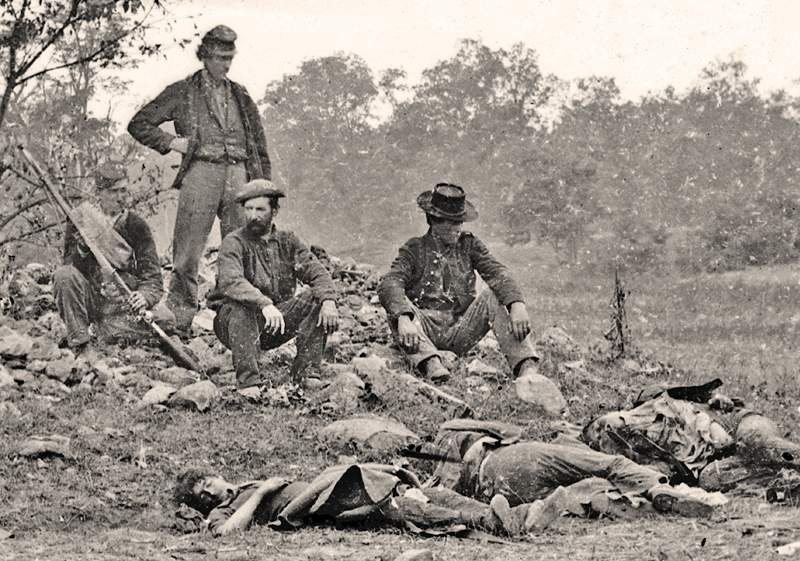
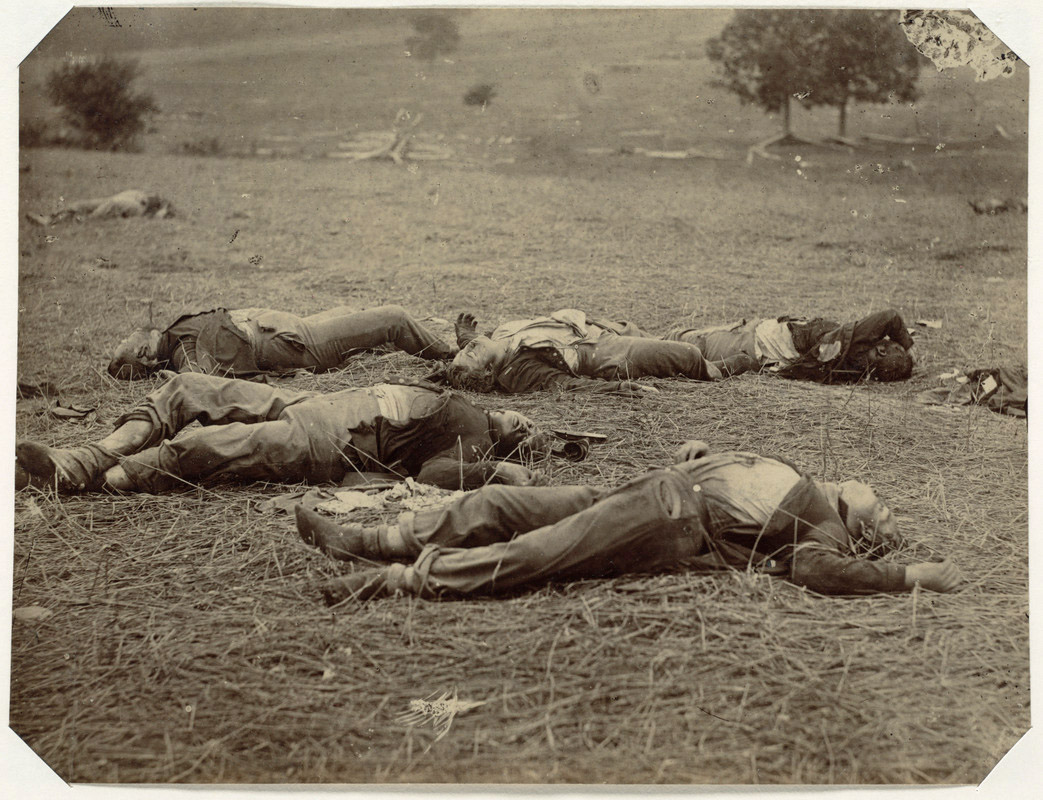
Why? Because a review of the past warns us of where religious government can lead. Colonists sailing to these shores in the early 1600s taught reading to support religion, a purpose that continued through the mid-19th century. Warring among themselves over which doctrine would be in control, Protestant-Catholic conflicts were driven by intense religious prejudice, political fears of loyalty to the Pope, and imperial wars against France and Spain. While Maryland was founded as a Catholic refuge, Protestants often took control, passing anti-Catholic laws. Maryland’s 1649 Toleration Act, providing freedom, was twice overturned by Puritans. In 1654, Puritan forces overthrew the proprietary government, outlawing Catholicism. Later, in 1689, “Protestant Associators” led by John Coode defeated Maryland’s Catholic proprietarial government, leading to the prohibition of public Catholic worship and the loss of their political rights.

Needless to say, religious violence didn’t start with American colonists. As far back as you care to examine European history, you find religious wars. The Crusades (11th–13th centuries) were launched by Western European Christians, sanctioned by the Pope, primarily to reclaim the Holy Land (Jerusalem) from Muslim rule, assist the Byzantine Empire against the Seljuk Turks, and reunite Christendom. Total deaths are estimated between two to six million. While exact breakdowns are impossible due to limited records, contemporary estimates suggest hundreds of thousands of Muslims died, while Christian losses included roughly one to two million Europeans.

Perhaps most horrific of these bloody religious wars were the years of the so-called Spanish Inquisition (1478–1834) which used systematic, often bureaucratic, methods to enforce Catholic orthodoxy including secret interrogations, psychological coercion, property confiscation, and calculated torture to extract confessions. Common torture methods included waterboarding, the rack, and pulley-based limb dislocating to force confessions which led to public auto-da-fé ceremonies and executions. Roughly 150,000 people, with an estimated 3,000–5,000 burned alive, were caught up in this religious insanity. As a global power, Spain engaged in religious wars against Protestantism, including conflicts with England, culminating in the 1588 Spanish Armada.

These actions were driven by Spain’s determination to create a uniformly Catholic society.  Sound familiar?

Other similar conflicts included:

  • The Wars of the Three Kingdoms (1639–1653): A series of armed conflicts, including the Bishops’ Wars, the English Civil War (1642–1651), and the Irish Confederate Wars. This involved Anglicans (Royalists/Cavaliers) fighting Puritans (Parliamentarians/Roundheads), who were often allied with Scottish Presbyterians, against a backdrop of Catholic uprising in Ireland.
  • The English Civil War: A fundamental conflict between Anglicans (supporters of King Charles I) and Puritans (supporters of Parliament), leading to over 100,000 battle deaths and thousands more non-combat deaths.
  • Cromwellian Conquest of Ireland (1649–1653): Part of the wider civil war, aimed primarily at Catholic forces.
  • The Glorious Revolution (1688–1689) and Williamite War: A shift in power from Catholic King James II to Protestant forces (Anglicans and others), featuring battles between Anglicans and Catholics, particularly in Ireland.
  • Persecution of Quakers: Quakers were not an army but faced severe persecution from Puritans in New England (1656–1661) and both Anglicans and Puritans in England.

Other European religious wars included the Thirty Years’ War (1618–1648) resulting in 4.5 to 8 million deaths, while the French Wars of Religion (1562–1598) caused 2 to 4 million deaths.

The period after “discovery” of the New World featured the slaughter of millions of indigenous people. Upon arriving on these lands, still thriving with wildlife and virgin forests despite 40,000+ years of indigenous settlement, Europeans viewed these peoples as inferior and un-Christian, a view which justified brutal violence. Estimates suggest that roughly 55 to 56 million native people died in the Americas due to European colonization between 1492 and the early 1600s. This mass mortality, known as the “Great Dying,” represented about 90% of the indigenous population and was primarily caused by introduced diseases, alongside warfare, forced labor (slavery), and societal collapse.

Based on a 1493 papal decree, Christian explorers believed they had the right to claim land belonging to non-Christians, often viewing themselves as bringing civilization and God to “pagan populations.”

One wonders, what would Jesus do?

Religious conflicts in colonial America were widespread, characterized by Puritan persecution of Quakers and Baptists in New England, anti-Catholic laws in Maryland, and violence against dissenting evangelicals by Anglican authorities in the South. Conflicts also occurred between “Old Light” traditionalists and “New Light” revivalists during the Great Awakening. Puritans in Massachusetts Bay exiled dissenters like Roger Williams and Anne Hutchinson, and hanged four Quakers between 1659 and 1661.

Intermingled among these loving brothers and sisters in Christ were the witch hunts driven by Puritan beliefs and fear of the devil, culminating in the 1692–1693 Salem witch trials, which saw 19 people hanged, one pressed to death,[1] and over 200 accused. While Salem is most famous, over 100 cases occurred across New England and Virginia between 1626 and 1730, including a significant 1662 panic in Hartford, Connecticut.

You’ll notice that in all that violent turmoil, it was the Puritans who were the most intolerant, the most determined to force everyone to their chosen faith. The Puritans believed they had a divine mandate to establish a “Holy Commonwealth” that would influence all areas of life, including public morality, law, and social behavior. This strongly parallels the Catholic crown’s effort to create a uniformly Catholic society across Europe.

Nothing could be closer to this four-hundred year old depraved mindset than the present-day reality of the Christian Nationalists’ ongoing determination to force their beliefs on everyone else, that “God has called Christians to exercise dominion over all areas of American society.” They seek secure political power, social dominance, and the implementation of policies based on their religious worldview.

Small wonder that by 1776, the Founding Fathers emphasized the importance of separating the powers of the church and the function of government in writing the new nation’s fundamental governing document and its First Amendment: “Congress shall make no law respecting an establishment of religion or prohibiting the free exercise thereof.”

In the same line of thinking, founders like Thomas Jefferson and later reformers argued that a republic could not survive on ignorance. They viewed tax-supported public education as an insurance premium paid for by the wealthy to ensure political stability, create good citizens, and prevent social unrest. Nativism, driven by fears that newcomers would steal jobs, lower wages, threaten national identity, bring crime, and fail to assimilate particularly targeted Catholicism in the 19th century and non-northern European immigrants later. As immigration increased, particularly in the mid-19th century, public schools were viewed as a mechanism for assimilating children from diverse cultural and religious backgrounds into a shared “American” culture.

Education’s role today is all that and more, critical to our role as citizens of a nation meant to be governed by the people. We are tasked with self-governance as well as developing our moral character, intellectual growth, science-based literacy, and academic proficiency. Few would argue that most modern employment would be possible without these skills.

The chaos permeating United States society today is a primary outcome of our compromised educational system. It’s only going to get worse as budget cuts further undermine school operations and digital media becomes more permeated by artificial intelligence. But the greatest threat is the insidious creep of religious indoctrination, a largely unrecognized form of subversion which demands tax dollars in support of religious teachings in specific opposition to the Founding Fathers’ intent.

These efforts have simmered through our nation’s history, but only in the last fifty years have they made strides in overthrowing our constitutional foundations. We truly face a crisis.


[1] “Pressing” was a method where victims were laid down with heavy weights placed on their bodies, causing breathing to become impossible as ribs fractured, lungs collapsed, and internal organs failed over several hours or days. This happened to Giles Corey, an 81-year-old farmer.

New Puritans and the U.S. Peerage: The Willful Destruction of Public Education

Like the slow spread of a fatal disease, certain interest groups within the United States have been working to undermine the nation’s education system. Their goal, as so clearly outlined in the 900 pages of Project 2025, is to change our democratic republic into plutocratic theocracy. Ruling from the top, the wealthiest citizens (U.S. Peerage) will enjoy virtually no restrictions on their profits or the damage caused by their industries, while ruling from the bottom, the Christian Nationalists and other religious extremists (New Puritans) will ensure the population lives by Christian rules.

This is not a theory. This is the fact of the current situation as recent Supreme Court decisions have opened the door for unregulated homeschooling and religious private schools to receive our tax dollars in support of their operations. This is in direct opposition to the Constitution’s First Amendment, which specifically prohibits any government support for any religion.

This workaround has been steadily advancing since colonial days but has increased significantly since the 1940s when the “Red Scare” brought a fresh level of religious fanaticism to the public arena. The result? Today, billions of our tax dollars flow into religious school coffers while public schools suffer for inadequate funding even though 90% of K-12 students attend public schools. Perhaps more damaging than the financial costs are the lessons learned under religious instruction: that the Earth is only 6,000 years old; that vaccinations are harmful; that men are superior to women. These are the seeds of a modern nation’s destruction.

Grab your copy, only $6. https://www.amazon.com/dp/B0H3NW358F

New Puritans

Like the slow spread of a fatal disease, certain interest groups within the United States have been working to undermine the nation’s education system. Their goal, as so clearly outlined in the 900 pages of Project 2025, is to change our democratic republic into plutocratic theocracy. Ruling from the top, the wealthiest citizens (U.S. Peerage) will enjoy virtually no restrictions on their profits or the damage caused by their industries, while ruling from the bottom, the Christian Nationalists and other religious extremists (New Puritans) will ensure the population lives by Christian rules.

This is not a theory. This is the fact of the current situation as recent Supreme Court decisions have opened the door for unregulated homeschooling and students at religious private schools to receive our tax dollars in support of their operations. This is in direct opposition to the Constitution’s First Amendment, which specifically prohibits any government support for any religion.

This workaround has been steadily advancing since colonial days but has increased significantly since the 1940s when the “Red Scare” brought a fresh level of religious fanaticism to the public arena. The result? Today, billions of our tax dollars flow into religious school instruction while public schools suffer from inadequate funding even though 90% of K-12 students attend public schools. Perhaps more damaging than the financial costs are the lessons learned under religious instruction: that the Earth is only 6,000 years old; that vaccinations are harmful; that men are superior to women. These are the seeds of a modern nation’s destruction.

91 page booklet $6 https://www.amazon.com/dp/B0H3NW358F

Table of Contents

Preface

History of Church as State

Education Is A National Priority

The Education Problem: Bigger than the New Puritans

Why the Puritan Agenda Must Not Prevail

Unregulated Private and Home Schooling

The Arkansas Situation

Christian Nationalism’s Goal: Overturn the Constitutional Separation of Church and State 

In Conclusion

Afterword

MAGA

What will happen to them, these lovers of Trump, the men and women who act as if he is the next risen Christ, or at least the best man possible to lead the United States of America? Who even now cling to their fantasy in the face of his utter perfidy—starting a war, abandoning the American economy, exposed as a defiler of children. What will happen when the inexorable turn of the wheels of justice—or perhaps death—finally finally grind him into the ground? Will they weep? Yes. Will their anger grow exponentially to the point of ignition? Yes.

When the inevitable happens—and yes, I believe in the Constitution and our system of laws which have steered this nation through war and despair for over 200 years—when Trump is finally held accountable for all his lies and frauds and empty promises that continue to spill from his deteriorating mind, mouthed in nonsensical phrases and welcomed with open arms into the aisles of churches and homes of the True Believers, I believe that the witnesses and the attorneys and the juries and judges will do their duty, that he will be convicted of his crimes against the people and the nation, that he will at some point have to face the truth about himself.

Nothing could be more terrifying for a man like Trump than to face the truth, that his life was wasted in harming his fellow man, that he was a liar, thief, an adulterer and a rapist, that he could produce nothing of value in this world. That he had every advantage and he squandered that gift in his ignorance, in his greed and desperation for his life to have some meaning but never did.

What will these people do who hold him up before themselves and now will find him cast down into the depths of human failure, deceit, corruption? When the proof of his amoral guilt opens their eyes with blinding light, will they refuse to believe the truth? Will they take up arms and storm the courthouses and prison, or stand in line to honor his corpse, cry out demanding a new day still grasping for that promise, that fable of his greatness?

They believed. They tied their lifeboats to his ship, that great phantasm of belief that he was the strong man, the savior of our times, that their lives could be made meaningful and fruitful under his leadership, that their hatreds and prejudices would be vindicated. As the seas toss and roll, tossing his ship into wreckage, will their lives also capsize, splinter into driftwood to drift back to the littered beaches over the coming months and years?

Somewhere deep inside, most of the True Believers sense the truth, that Trump is a fool, an emperor without clothes. They know in that secret room of themselves that they have followed a lie. But for many of them, the truth is too painful, too terrifying, and their solution is to justify war, believe they will emerge triumphant in a new white Christian America led by God Almighty with Trump seated on His right hand.

These are the fantasies of those who have never understood their purpose in life. They mouth the words of the Bible without comprehending their personal duty to act on those words. They labor under the belief that their primary duty is to follow a person like Trump because he says what they want to hear, that they are the chosen ones. In their glorious imaginings of redeeming the nation, the radical right imagines the fight as taking down the figureheads of ‘liberal’ democracy without realizing the liberal agenda aligns with the teachings of Christ.

Will justice for Trump open the door to insight, even epiphany, for his True Believers? Will they be able to accept the truth of his malfeasance or the rectitude of the courts’ judgements? Some will. Some already have. But many will not, reliant on media that supports their viewpoint, reinforcing their perception of Trump. Many of them align with his fight against “the system” over specific policy successes or moral scrutinies and focus on the broader, long-term impact they expect from his policies. We probably should feel compassion for their loss of a dream, of a self-made parody of a god who misled them, made promises he couldn’t keep, presented himself in a fictional persona simply to aggrandize himself no matter the price to be paid.

The private, personal cost will be great for those True Believers unable to let go of the fantasy, that they alone stood by a true hero. They will not be treated kindly by history.

The greater cost to the rest of us, and to our nation, is incalculable.

O’Sullivan, Timothy H., and approximately 1823-1896 Mathew B. Brady. “Union dead at Gettysburg.” Photograph. [1863]. Digital Commonwealth, https://ark.digitalcommonwealth.org/ark:/50959/q524n605q (accessed April 05, 2026).

Trump’s Enablers

Trump’s Drug War

The absurdity is overwhelming. Here we are as Americans, all party to the White House’s illegal murder of over eighty (so far) men in boats on the premise they are bringing drugs to the United States. As well remarked elsewhere, there is no evidence these boats are carrying drugs and no credibility in the idea these small vessels with a fuel range of 100-200 miles are embarking on a thousand mile journey to the U.S.

But even more insane is the idea that a nation under any government can stamp out drug use/abuse by ‘interdicting’ drugs enroute to this country. We can’t even stamp out drugs manufactured in within the borders of this country. Anyone who believes such nonsense needs to have these words tattooed onto their forehead: Supply-Demand. If people want a product, no matter how potentially dangerous, there will ALWAYS be a supplier. Basic economic fact. Reducing supply only results in higher prices for said product, i.e. better profits, more incentive to supply.

So let’s get real about illegal drugs. First, “drug users” include people who depend on caffeine in their morning coffee, iced tea at lunch or other caffeinated beverages, persons who ‘must have’ their cigarettes or other tobacco products, and persons prescribed any of a multitude of pharmaceuticals which address any of a multitude of human conditions from depression to headache to cancer. Secondly, there is an enormous difference between the use of and the abuse of any drug. Prohibitionists prefer to consider all illegal drug use as ‘abuse’ in order to justify draconian laws punishing users. We must keep in mind the blurred line dividing legal and illegal drugs is primarily based on their regulatory status and whether their production, sale, and use are permitted by law. Theoretically, this status is determined by government authorities based on factors like medical utility, potential for abuse, and perceived harm to the individual and society. In other words, there is no truly ‘illegal’ drug.

This theory supporting the prohibition of certain drugs has been shown to be a fabrication serving other less savory objectives. The drug war is a tool used by government to carry out activities which are illegal. For example, one might wonder about the president’s single-minded assault on alleged drug smugglers from Venezuela when coca leaf is grown in three other Latin American countries: Peru, Bolivia and Colombia. Surely the fact that Venezuela possesses the world’s largest oil reserves has nothing to do with it. Surely.

Never mind the fact that cocaine is hardly relevant in drug abuse circles since fentanyl hit the streets. In 2023, there were approximately 72,776 overdose deaths involving fentanyl (synthetic opioids other than methadone) compared to about 29,449 deaths involving cocaine.

Postcard showing an underground opium den in San Francisco, pre-1906 earthquake. By 1896, there were around 300 opium dens in San Francisco, mostly in Chinatown. In the 19th century and the early 20th century, opium smoking was common worldwide, especially in Asia, which was one of the sources of the opium poppy.

In order to better understand this absurdity, let’s go back more than a century to the country’s first ‘drug war’. The San Francisco Opium Den Ordinance of 1875 made it a misdemeanor to maintain or visit places where people smoked opium. These places were mainly in Chinese immigrant neighborhoods. Similar racially inflammatory state laws emerged. Soon after came the Chinese Exclusion Act of 1882, which barred Chinese laborers from entering the U.S., a ban expanded to all Chinese people in 1902 and not fully repealed until 1943. The first federal drug law, the 1909 Smoking Opium Exclusion Act, prohibited importing and using opium. It wasn’t that the government suddenly became concerned about opium use. In a nutshell, it was that the railroads powering the economic growth of that period were now built, and thousands of Chinese who had been welcomed to this country to do the backbreaking work of carving tunnels out of rock and laying steel track were no longer of use. Even worse, these immigrants, the primary users of opium, were inviting relatives to immigrate and their jobs were seen as threats to white workers.[1]

Then there was alcohol. After nearly a century of growing religious fervor stemming from massive evangelical movements, especially the “Second Great Awakening,” characterized by fiery camp meetings, frontier revivalism, and emotionally charged preaching, a rising cry against alcohol resulted in ‘prohibition,’ enacted on a federal basis in 1920 but in individual states as early as the 1880s.

Carrie Nation became famous for her attacks on alcohol-serving establishments, using rocks, bricks, and her signature hatchet to destroy liquor bottles, mirrors, and bar fixtures. Before resorting to violence, she would kneel outside saloons, sing hymns, and deliver strong sermons to patrons and owners, sometimes calling herself the “Destroyer of Men’s Souls”.

“A wide coalition of mostly Protestants, prohibitionists first attempted to end the trade in alcoholic drinks during the 19th century. They aimed to heal what they saw as an ill society beset by alcohol-related problems such as alcoholism, domestic violence, and saloon-based political corruption.”[2]

Alcohol prohibition led to massive increases in organized crime (bootlegging, speakeasies), rampant corruption of officials, dangerous unregulated alcohol leading to sickness/death, huge losses in government tax revenue, and a general disrespect for the law, with little measurable public health benefit, ultimately proving a costly failure. Ultimately, prohibition led to the development of the Federal Bureau of Investigation (FBI), significantly expanding the role and authority of the FBI’s predecessor, the Bureau of Investigation (BOI), making it central to federal law enforcement by creating massive new criminal enterprises (bootlegging) that required federal intervention, strained resources, spurred corruption, and ultimately led to bigger federal crime-fighting roles and the rise of modern organized crime, impacting federal investigations for decades.

This powerful new agency could have drifted into irrelevance when alcohol was once again legal in 1932, but instead there is evidence that the federal official who spearheaded cannabis prohibition saw it as a way to maintain his department’s relevance and budget. Harry Anslinger, the head of the Federal Bureau of Narcotics (FBN), needed a new focus for his agency after alcohol prohibition was repealed. He launched a public campaign against cannabis (often using the “marihuana” spelling to associate it with Mexican immigrants), portraying it as a dangerous substance to justify his department’s continued existence. Anslinger’s rhetoric carried strong undercurrents of racial prejudice and xenophobia, targeting Mexican immigrants and Black jazz musicians.

Then as the ‘60s ended with massive marches in support of equal rights for minorities and women, against the Vietnam war, and in support of gay rights, President Richard Nixon officially launched the “War on Drugs” in the early 1970s, declaring drug abuse a public enemy and enacting significant federal legislation like the Controlled Substances Act to combat drug production, distribution, and use, though policies intensified under subsequent administrations. 

One of Richard Nixon’s top advisers and a key figure in the Watergate scandal said the war on drugs was created as a political tool to fight blacks and hippies, according to a 22-year-old interview recently published in Harper’s Magazine.

“The Nixon campaign in 1968, and the Nixon White House after that, had two enemies: the antiwar left and black people,” former Nixon domestic policy chief John Ehrlichman told Harper’s writer Dan Baum for the April cover story published Tuesday.

“You understand what I’m saying? We knew we couldn’t make it illegal to be either against the war or black, but by getting the public to associate the hippies with marijuana and blacks with heroin and then criminalizing both heavily, we could disrupt those communities,” Ehrlichman said. “We could arrest their leaders, raid their homes, break up their meetings, and vilify them night after night on the evening news. Did we know we were lying about the drugs? Of course we did.”[3]

A 2017 study showed that police forces which received military equipment were more likely to have violent encounters with the public, regardless of local crime rates. A 2018 study found that militarized police units in the United States were more frequently deployed to communities with large shares of African-Americans, even after controlling for local crime rates. https://en.wikipedia.org/wiki/Militarization_of_police#cite_ref-17

In the next administration, First Lady Nancy Reagan famously addressed the drug “problem” with her “Just Say No.” advice, unwittingly illustrating the parental role now assumed by government over the private, consensual behavior of drug users. Reagan’s successor, George H.W. Bush, took it a step further. He promoted the 1033 Program (Defense Logistics Agency (DLA) Disposition Services) in the early 1990s to transfer surplus military gear to local law enforcement for the “War on Drugs.” Nowhere in this rush to judgement did anyone point out that M16/AR-15 rifles, grenade launchers, armored vehicles (APCs, MRAPs), night vision, tactical robots, and “less-lethal” gear (beanbag/pepperball guns, flashbangs) have absolutely no effect on drugs. These weapons and the “war” in which they are being used are against PEOPLE—American citizens, most of whom simply preferered to toke a joint after work rather than drink an alcoholic beverage.

This despite the fact that in the 1970s and ‘80s, marijuana was by far the most widely used of illegal drugs, was found in multiple studies not to be addictive and also found not to be a ‘gateway’ to harder drugs, as so often alleged in government reports. Even today, with drugs like cocaine and even fentanyl in the headlines, according to the United Nations Office on Drugs and Crime (UNODC) World Drug Report 2024, the estimated number of people who used various drugs at least once in the prior twelve months was: Cannabis (Marijuana): 228 million users; Opioids: 60 million users; Amphetamines: 30 million users; Cocaine: 23 million users; Ecstasy: 20 million users.

All the while, the drug war of those decades provided cover for illegal U.S. government operations in Central and South America as those nations began to resist colonization by American corporations seeking to exploit natural resources like oil, minerals, and agricultural opportunities. Fertile land and cheap labor could produce crops such as coffee, bananas, and other foods requiring year-round growing seasons.

According to Tim Weiner, the Central Intelligence Agency “has been accused of forming alliances of convenience with drug traffickers around the world in the name of anti-Communism” since its creation in 1947.[4] The CIA has a long, controversial history in South America, primarily during the Cold War, involving covert operations like coups, political destabilization, and support for right-wing regimes (e.g., Operation Condor) to counter perceived communist influence, leading to significant human rights abuses and democratic declines, with operations continuing into recent times, such as those in Venezuela. Key actions included overthrowing governments (Chile, Ecuador, Brazil), supporting anti-communist forces (Contras in Nicaragua, a major scandal where in U.S. operatives sold guns to Iran between 1981 and 1986, facilitated by senior officials of the Ronald Reagan administration. The administration hoped to use the proceeds of the arms sale to fund the Contras, an anti-Sandinista rebel group in Nicaragua.), and involvement in conflicts like the Salvadoran Civil War, with consequences like suppressed democracy and economic impacts.

This kind of interference in the affairs of other nations more or less permeates American history. In the early 20th century, during the “Banana Republic” era of Latin American history, the U.S. launched several interventions and invasions in the region (known as the Banana Wars) in order to promote American business interests. During the Cold War (1950s-1980s), the CIA carried out coordinated campaigns to install South American dictatorships (Argentina, Chile, Brazil, etc.) to track, kidnap, torture, and kill left-wing dissidents, with CIA support and intelligence sharing. In Guatemala (1954), the CIA overthrew the democratically elected President Jacobo Árbenz, linking to U.S. corporate interests, using exile forces and propaganda. In Chile (1970s), CIA efforts undermined President Salvador Allende, paving the way for a military coup. Same idea for Brazil (1964): Supported a coup against President João Goulart, leading to a military dictatorship. Nicaragua (1980s): Funded and trained the right-wing Contra rebels fighting the socialist Sandinista government, with alleged links to cocaine trafficking. El Salvador (1980s): Trained and equipped military units involved in massacres during the civil war.

CIA interventions often resulted in the collapse of democratic institutions, reduced civil liberties, and economic hardship, despite justifications of promoting democracy or fighting communism, according to research. The support ‘troops’ for these political objectives has become de facto occupation of these nations with armed agents of the U.S. Drug Enforcement Agency, with 87 foreign offices in 67 countries. For example, in the so-called “Southern Cone,” (Brazil, Chile, Argentina, Paraguay, Peru and Uruguay), are considered to be transit zones for the movement of cocaine base, cocaine HCL, and heroin being shipped from Colombia and Peru to markets in the U.S. and Europe, or producers of coca leaves. The end result of these often violent interventions in the affairs of our neighbors is the current and ongoing flood of desperate people arriving at our borders.

Not only are drug laws used outside our nation’s borders as cover for extra-judicial interference in international relations, they also serve domestically to selectively target specific individuals and politically inconvenient groups or based on racism or other prejudices, most recently undocumented immigrants. This is a useful tool for xenophobes determined to turn the United States into a white patriarchal “Christian” nation. The current administration manipulates this demographic by playing up the drug war.

Public support for prohibition policies relies on judgments of morality, that becoming intoxicated is immoral, an echo of the early 1800s temperance movement which reached its zenith with alcohol prohibition, the Eighteenth Amendment to the United States Constitution. This same moral judgment about private consensual activity remains a strong current in the United States where prostitution, gambling, and drug use (other than legal drugs) fall under strong government control. While government cannot (yet) spy on the living rooms and bedrooms of its citizens, government agents find such laws useful in targeting specific types of people, as previously illustrated.

“Today, police make more than 1.5 million drug arrests each year, and about 550,000 of those are for cannabis offenses alone. Almost 500,000 people are incarcerated for nothing more than a drug law violation, and Black and brown people are disproportionately impacted by drug enforcement and sentencing practices. Rates of drug use and sales are similar across racial and ethnic lines, but Black and Latinx people are far more likely than white people to be stopped, searched, arrested, convicted, harshly sentenced, and saddled with a lifelong criminal record.

“The wide-ranging consequences of a drug law violation aren’t limited to senseless incarceration: people with low incomes are denied food stamps and public assistance for past drug convictions; states including Texas and Florida suspend driver’s licenses for drug offenses totally unrelated to driving; and numerous other policies deny child custody, voting rights, employment, loans, and financial aid to people with criminal records.”[5]

Despite apparent national political resolve to deal with the drug problem, inherent contradictions regularly appear between U.S. anti-drug policy and other national policy goals and concerns. Pursuit of drug control policies can sometimes affect foreign policy interests and bring political instability and economic dislocation to countries where narcotics production has become entrenched economically and socially. Drug supply interdiction programs and U.S. systems to facilitate the international movement of goods, people, and wealth are often at odds.[6]

  • “We are still in the midst of the most devastating drug epidemic in U.S. history,” according to Vanda Felbab-Brown, senior fellow at the Center for Security, Strategy, and Technology at Brookings Institution. In 2020, overdose deaths in the United States exceeded 90,000, compared with 70,630 in 2019, according to research from the Commonwealth Fund. Yet, the federal government is spending more money than ever to enforce drug policies. In 1981, the federal budget for drug abuse prevention and control was just over a billion dollars. By 2020, that number had grown to $34.6 billion. When adjusted for inflation, CNBC found that it translates to a 1,090% increase in just 39 years.[7]

What if that money had instead been applied to individuals and programs that support individual ambitions and needs—tiny homes for the homeless, for example? What if the costs of our interference in foreign nations had instead been directed toward helping the people of those nations deal with loss of farmland to multinational corporations, climate-change induced drought and hurricane damage, and support for social programs, education, and entrepreneurship, thereby reducing the urgency of people in those countries to flood to U.S. borders in hope of better lives?

Without hot button issues like women’s reproductory rights and drugs, politicians would have to gain votes based on performance rather than propaganda. Stepping away from “government as nannies” and the idea of controlling private behavior would allow taxpayer dollars to support programs that help deter substance abuse in the same way that public education has helped reduce the use of cigarettes. No one knows better than addicts that they, individually, are the only ones who can control their addiction. Ultimately, as free people, we must claim the fundamental right to kill ourselves if we wish it. Most importantly, awareness of draconian drug policies as a cover for illegal objectives both in and outside our nation’s borders would forever eliminate travesties such as the murdering of likely-innocent people in boats leaving Venezuela.

And, in the case of the current administration, understanding the real agenda of the drug war could rightfully turn the public attention fully to the president’s dirty Epstein laundry.


[1] https://muse.jhu.edu/article/240064

[2] Wikipedia, https://en.wikipedia.org/wiki/Prohibition_in_the_United_States

[3] https://www.cnn.com/2016/03/23/politics/john-ehrlichman-richard-nixon-drug-war-blacks-hippie

[4] https://en.wikipedia.org/wiki/CIA_drug_trafficking_allegations

[5] https://www.vera.org/news/fifty-years-ago-today-president-nixon-declared-the-war-on-drugs

[6] https://www.everycrsreport.com/reports/RL33582.html

[7] https://www.cnbc.com/2021/06/17/the-us-has-spent-over-a-trillion-dollars-fighting-war-on-drugs.html

What Democrats Did Wrong

Party leaders failed to see the long term need for younger, more vigorous candidates. The bulk of Biden’s term suffered from his shuffling gait, whispery voice, and apparent mental decline. Not that Trump is so much younger, but his demeanor as a bully conveys a message of strength. Sadly.

Dems also failed to foresee Biden’s inability to win a second term and consequently failed to hold a 2024 primary that would have introduced all best possible candidates. Call it allegiance to a venerable old warrior (Biden) or inability to break out of an established order of candidate precedence, or fear of the unknown, this lack of a so-called ‘fair’ fight in selecting a presidential candidate played a significant role in Harris’ defeat.

Sorry, but Kamala Harris was not popular in the 2020 primaries from which she withdrew for lack of funding. Built-in negatives aside from her mixed race and being female included her speech affectations which make her seem smug. One would think that the defeat of Hillary would have been lesson enough. For now, the fight is still between present day realities which are incomprehensible to conservatives and the “good old days” when men were ‘successful’ if they knew how to saddle a horse.

During Biden’s term, there was no apparent coherent approach to illegal immigration. This played into Harris’ weakness on this issue, which Biden appointed her to address. Whatever policy recommendations she made failed to make news cycles. As noted by the Washington Post, “Harris, in fact, has never been in charge of the border. The Department of Homeland Security manages migration. Her immigration role for the Biden administration has included boosting U.S. aid to Central America, traveling to the region and discouraging potential migrants from making the dangerous journey to the United States.” Be that as it may, if there had been a strong Biden policy on illegal immigration and prominent promotion of those policies, Trump wouldn’t have been able to make that topic a centerpiece of his campaign.

Yes, boosting U.S. aid to Central America is foundational to stemming the tide, as Harris knew. Sadly, the fact is that coherent immigration policies addressing root causes aren’t enough to stop people seeking better opportunities for themselves and their children. If your children are starving and your home and livelihood are daily threatened by violent gangs rampaging through neighborhoods, you too would leave behind everything you’ve ever known and walk to the promised land.

THERE IS NO GOOD SOLUTION to illegal immigration. There is no fence high enough, or military/border guard personnel vast enough to make illegal entry impossible. As climate change advances, more and more populations will face starvation and violent domestic turmoil. The U.S. cannot take them all. No one can. This message must be made clear. Trump’s plan to deport millions WILL NOT SOLVE THE PROBLEM. This is whack-a-mole thinking.

Biden, in the seeming tradition of Democrats and, in the words of Michelle Obama, “went high” when the Republicans “went low.” But we’re dealing with primitive thinking where the hero bashes the villain over the head. With no head bashing, there’s no hero. The villain wins. It’s past time for the Democrats to develop more than one track and start bashing. To greatest possible extent, yes, don’t give up the vision of a better world—peace, love, good vibes. But we also must carry a big stick and when somebody needs to get bashed over the head, bash the son of a bitch. The Biden administration’s justice department took waaaay too long quibbling over how/when/why to prosecute Trump for his shocking illegal acts. He should never have been free to run for re-election.

Not that Biden or the justice department had control over local and state prosecutions, but the failure of appropriate federal action left the door open for Trump to escape from prosecution in lower courts, as is now obvious. It was the first Trump presidency which allowed him to stack the Supreme Court, and that will be the case again. His sponsors are playing the long game, moves that have been feverishly planned since at least the 1950s. The strategy is to whip up fear and hatred to drive conservative voters to the polls, desperate to buy God’s favor by forcing the entire nation into a theocracy. None of this matters to Trump, whose entire plan involves self-enrichment, self-aggrandizement, and eluding justice.

True to their religious belief system, conservatives prefer government which regulates what the population does in their bedrooms and allows the business segment to run wild. The opposite is true for liberals, who believe what people do in their bedrooms is no one’s business and what the business community does can ONLY be regulated by government. Who else can force corporations not to dump industrial waste in our rivers? Ensure clean drinking water and safe food supplies? Mitigate the onslaught of pandemics? Enforce design and construction standards for roadways, bridges, and buildings?

These requirements of government are easily forgotten by a fearful, angry electorate who is not educated to understand these fundamental duties, an electorate even more distracted by a wannabe dictator whose success depends on agitating division with lies and false promises. This can only be effectively countered by an equally vociferous Democrat whose presence and actions meet the pseudo-strength of a candidate like Trump. Potential right-wing demagogues have the advantage of money flowing from a huge array of business interests. Liberals have only the People to carry on the framework for freedom established by the Founding Fathers:

  • We the People of the United States, in Order to form a more perfect Union, establish Justice, insure domestic Tranquility, provide for the common defense, promote the general Welfare, and secure the Blessings of Liberty to ourselves and our Posterity, do ordain and establish this Constitution for the United States of America.

Foundational to this vision was EDUCATION. Public education was not an afterthought of the American Revolution – it was a core ideal of our Founders. They maintained that a well-educated population was the only means of ensuring America’s future. The roots of taxpayer-funded public education in the United States can be traced back to the Massachusetts Bay Colony in 1647. The colony passed a law that required towns to establish schools, made children attend school, and allowed the state to levy taxes to support schools. This traditional determination now stands at risk from religious forces who have managed to divert tax dollars into support for private, religious schools which often slant their programs to fit a religious agenda.[1]

Could Obama have warded off this SCOTUS situation with his nomination of Merrick Garland for the post by steamrolling the Senate?

  • It is in full accord with traditional notions of waiver to say that the Senate, having been given a reasonable opportunity to provide advice and consent to the president with respect to the [Supreme Court] nomination of [Judge Merrick] Garland, and having failed to do so, can fairly be deemed to have waived its right.  Here’s how that would work. The president has nominated Garland and submitted his nomination to the Senate.  The president should advise the Senate that he will deem its failure to act by a specified reasonable date in the future to constitute a deliberate waiver of the right to give advice and consent.  What date?…90 days is a perfectly reasonable amount of time.

– Excerpt from an op-ed column in The Washington Post on April 10 by Washington, D.C., lawyer Gregory L. Diskant, who is in private practice and also serves as a member of the national governing board of the liberal advocacy group, Common Cause.

  • “The Appointments Clause [of Article II] clearly implies a power of the Senate to give advice on and, if it chooses to do so, to consent to a nomination, but it says nothing about how the Senate should go about exercising that power.  The text of the Constitution thus leaves the Senate free to exercise that power however it sees fit.  Throughout American history, the Senate has frequently – surely, thousands of times – exercised its power over nominations by declining to act on them.

 – Excerpt from a commentary about the Diskant column by M. Edward Whalen, president of the conservative advocacy group, the Washington-based Ethics and Public Policy Center, published April 10 on the National Review Online’s Bench Memo.[2]

Equally appalling was the lack of foresight by none other than Justice Ruth Bader Ginsberg who refused to retire during Obama’s presidency, which would have allowed another justice to step in on her coattails. Despite her excellent record and unfailing support for liberal causes, a bit of hubris caused her to cheat the future of a suitable replacement.

Democrats need to wake up! Making nice is not always the best course of action when we’re dealing with not only ignorant tyrants like Trump but also foreign bad actors with their thumbs on the scales.


[1] In June 2022, in Carson v. Makin, the high court held that when governments choose to subsidize private schools, they must allow such funds to pay for religious schools. A majority of current justices appear to believe that excluding religious groups from government programs is a violation of the First Amendment’s free exercise clause. Although court precedents prohibit direct funding of religion under the establishment clause, the current court could decide that if the state funds secular public charter schools, religious public charter schools cannot be excluded from such funding.  See https://www.freedomforum.org/government-fund-religious-schools/

[2] https://constitutioncenter.org/blog/constitution-check-could-obama-bypass-the-senate-on-garland-nomination