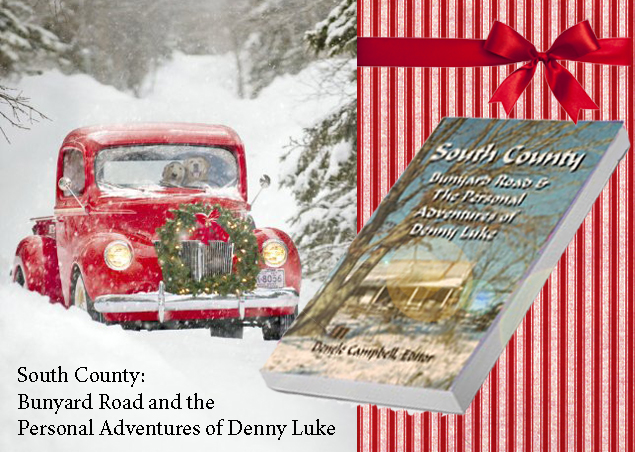
1972. A Yankee learns the Ozarks way and lives to tell his tales. Now almost a native, Denny fondly reminisces about the people and places of his adopted home.
Denny Luke is an adventurer. During his years as a Navy man, he built hot rods with money he made with shipboard loansharking. He returned to his native Ohio where he soon tired of the mechanic’s life. Computers had just started to break the surface in 1966, the perfect attraction to a young man with a sharp mind and plenty of ambition.
Hot cars and Enduro racing occupied Denny’s next few years as he helped usher in the computer age in Minneapolis. But another adventure awaited when in 1970 he fell in with a bunch of hippies. By 1972, he had found his way to the Ozarks.
An avid photographer and storyteller, Denny shares the adventures of his life as he recalls the outrageous backwoods tales and colorful characters who populate the southern fringe of Washington County in Northwest Arkansas.
Personal secret: I’m a purist when it comes to food. Simple basic food, unlike the horror I saw recently where someone wanted to dress up avocado with a coating. For god’s sake, people. Avocado needs nothing but salt!
Take green beans. People go to a lot of trouble to serve green beans—green bean casserole, stir-fry green beans, battered and fried green beans. Well, what’s wrong with just plain green beans? A little salt, cook them tender, voila! Yum.
Then there’s the simple chicken breast. Recipes abound for chicken breast stuffed with cheese, or sausage, or breading. Or for chicken breast coated in this or that, or draped in creamy sauces. What is wrong with a simple chicken breast? Buy it with skin and bone, set it in a baking dish skin side up, sprinkle with seasoning (I prefer Nature’s Seasons by Morton), cover with foil and bake at 425 degrees until completely tender (two hours). The skin comes out crisp, the meat flaky and savory. Delicious.
I have no patience with fancy setups where a tiny portion of something is stacked on top of another tiny portion of something, then some puree on top with a sprig of something else on top of that. It’s like gilding the lily.
And why go to all the trouble for scalloped potatoes–slice potatoes, cut onions, heat milk, and carefully position all that into a baking dish you’ll have to scrub later–when you can just wrap a baking potato in foil, pop it in the oven, and have a wonderful baked potato in less time?
Even with soup, I keep to the basics – vegetable soup is celery, carrot, and onion sautéed then a bit of garlic, canned tomatoes, and water. An hour later, potatoes. That’s it except for salt and pepper, and yes, you can add more if you absolutely will freak out if you don’t make it more complicated, but really, it’s about the heart-warming broth that develops over the two-plus hours of slow cook time.
Want beef? Chuck roast is the perfect choice. Grab that slab of meat, sear both sides, add water, onion, garlic, and a bay leaf, then walk away for a few hours. That’s food for several hungry friends or your entire week.
Holidays are no exception to my ‘keep it simple’ rule. Gotta have turkey? Don’t bother with stuffing. Make some cornbread. When cooled, crumble it into a large bowl and set aside. Saute celery and onion, add some garlic, sage, and poultry seasoning then pour in a couple of cups of chicken broth. Simmer until celery is tender, then pour over crumbled cornbread, stir in an egg or two, and bake covered. Tastes fantastic with the turkey.
I get that for a lot of people, cooking is a therapeutic process and the more steps involved, the more therapeutic. For me, the more steps involved, the LESS therapeutic. What is therapeutic for me is ending my hunger, which is the purpose of food, and I find no pleasure in making it take longer or cost more than necessary.
Before I go further, let me confess that this piece of writing is about all the reasons you should rush out and buy my book of recipes. Good quality food doesn’t need sauce to make it tasty. Basic food is good, cheap, easy, and we should eat more of it. That was the idea behind my three-year adventure in operating a café and the subsequent book Recipes of Trailside Café and Tea Room. Yes, there are a few somewhat complicated recipes in there, like the Ribs ‘n’ Kraut. Like Chicken & Dumplings. And don’t get me wrong—the flavors of these specials will knock you off your feet.
But those are kind of special occasion meals, not your fundamental keep-from-starving approach to daily food. Even my peach cobbler recipe I offer with mixed feelings, because WHY MESS UP A GOOD PEACH? I excuse myself by pointing out that most of the year, fresh peaches aren’t available and in that case, it’s permissible to use frozen peaches to create this mouth-watering treat.
And tea sandwiches—what is a better mid-afternoon snack than a tiny sandwich trimmed of its crust? Take the basic boiled egg, smash it with a bit of mayo, add salt and pepper, then spread on some GOOD QUALITY white bread that’s been lightly buttered. My book has an entire chapter devoted to quick, easy tea sandwiches.
I wanted to share my Humbug Fancy Food opinion because, like life, food doesn’t have to be complicated. You can thank me right after I finish my morning cup of first flush Darjeeling tea. No sugar. No milk. No lemon.
~~~
For all my books, visit my Amazon author page or, if you live near Fayetteville, Arkansas, stop by Nightbird Books on Dickson Street.
Shameless self promotion can’t be avoided when authors have books to sell. While you’ve still got time to receive an Amazon order — or for that matter, time to order through your local bookstore and give them a piece of the pie, here are a few for your consideration.
Shown above: The Violent End of the Gilliland Boys
Christmas Day horse races 1872, Middle Fork Valley. Bud Gilliland waits, eager for another chance at Newton Jones. Only this time, after two years of sparring, Newton gallops up in a cloud of dust, aims his Spencer rifle, and sends Bud to a well-earned grave.
The death of Bud surely grieved his father. But before the curtains closed on these descendants of J. C. and Rebecca Gilliland in 1890, two other sons and a grandson would die a violent death while yet another grandson serves hard time for murder.
What was it about the Gillilands?
This recounting of the family tracks their ancestry, their pioneer years on untamed land, and the hard work that made them one of the wealthiest families in Washington County, Arkansas. A fascinating tale of brash ego, brave gallantry, and bad luck.
Serving everything from pita to peach cobbler, Trailside Café and Tea Room became a favorite destination for the few years of its existence. Plate lunches of Pot Roast or Ribs ‘n’ Kraut became overnight hits. Now with a new section on Sandwiches, and a greatly expanded last chapter including many more family recipes sure to be a hit in anyone’s kitchen, Recipes of Trailside Café and Tea Room offers the ‘how-to’ for delicious soups like Split Pea or Potato Leek, hearty salads including Wilted Lettuce, and scrumptious desserts like Lime Pie and the famous Brown Butter Cookies. Over 200 recipes for easy, down home food.
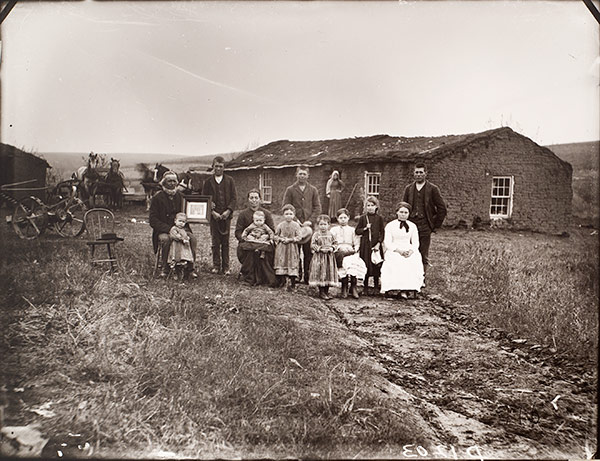
Contrary to popular notion, Arkansas was part of the Old West along with Texas and the rest of those more familiar dusty southwestern places. Its western border joined up with the Indian Nations where many a weary marshal rode out with his bedroll and pistol carrying writs from the U. S. District Court at Fort Smith in a search for a steady stream of men rustling livestock, stealing horses, selling whiskey, or running from the law.
From its earliest days, Washington County, Arkansas, experienced some of the worst the Old West had to offer. At unexpected moments, county settlers faced their fellow man in acts of fatal violence. These murderous events not only ended hopeful lives but also forever changed those who survived them. Not to say that the murders in the county all stemmed from conflict along
its western border—plenty of blood spilled within its communities and homesteads.
The fifty chapters of Murder in the County each focus on one violent incident. Through family histories, legal records, and newspaper accounts, the long-dead actors tell their shocking stories of rage, grief, retaliation, and despair. A thorough compendium of the county’s 19th century years.
It’s the season of giving, of looking back and looking forward as one year ends and another begins. What better time to consider a fresh outlook on drugs?
Here we are amid the Opioid Crisis, the latest in a long line of similarly heralded events sparking fear, outrage, and call for action. One hundred years ago, it was the Cocaine Crisis quickly followed by the Marijuana Crisis, then the Heroin Crisis. By the late 60s, it was LSD that elicited our fear and loathing.
Doomed to fail from the start, the so-called Drug War was about ‘just saying no’ alongside arming our friendly local cops with military weapons. What we’ve since discovered is that ‘saying no’ meant not talking about it, and that’s a direct route to where we are now. Even worse, we failed to recognize that a war on drugs was actually a war on Americans who use drugs. Now we have embattled inner cities rampant with gun violence and police who dress/act/think like commandos.
What we as a society desperately need to realize is that DRUGS ARE NOT THE PROBLEM. Substance abuse is a SYMPTOM of a much larger and more insidious problem. We’re self-medicating for existential despair.
Existential philosophy arose in the 1950s and early 60s as a way to discuss the unique condition of modern man. Due to mechanization and urban living, the ancient traditions that have helped us cope no longer apply. We are isolated from Nature and its rhythms and lessons that used to sustain us. We are isolated from the sorcery and magic we used to believe was God. We are isolated from our fellow man, often living alone or in nuclear family settings instead of tribal or extended family groups. And most difficult, we are isolated from ourselves, distracted from our thoughts and feelings by constant chatter and material diversions. This is, briefly, the four-fold alienation that describes modern existentialism.
Exacerbating the problem of our modern age are the failures of education, lack of job opportunities, lack of self-esteem, and poor health.
Public or private, schools are missing the target for many youngsters who desperately need logic and critical thinking. Trades we’ll always use, from plumbers to carpenters to seamstresses, are not taught nor are the fundamentals of operating a self-owned business.
Our culture fails to offer a buy-in for young people who need to know they matter. Public service options in avenues other than military are few and far between. Self-esteem has been relegated to displays of material wealth even when no such wealth exists. Debt to last a lifetime is the price we pay for these trappings of social status.
Even more critical is our declining health. Not only are fast food and prepared meals low in nutrition, they’re more expensive than basic foods prepared at home. We’re overeating and starving at the same time, piling on calories in sugar and fat while missing out on the micronutrients, vitamins, and proteins that lead to an uplifted mood and greater energy. No one is advertising chard sautéed with garlic.
Yet the greatest fraud about drugs is perpetuated by the very industries that bear the name of ‘drug manufacturer.’ Since the 1950s, the insidious promotion of drugs by companies like Pfizer, Eli Lilly, or Merck (to name a few) has increased proportionately to the nation’s substance abuse problem.
Slick advertising convinces consumers that with one magic pill, all of life’s ills will go away.
Television especially holds out the false promise. The suffering victim is cast in a muted gray-tone atmosphere while around them everyone else is blissful. With the magic pill, suddenly the victim joins the bliss, bathed in golden light. Meanwhile the precautions about negative effects from the medication are described in a hurried low monotone that fails utterly to overcome the visual imagery.
The message? Consume a drug and your life will be better.
It’s a message that’s not lost on the audience, young and old alike. Who doesn’t want to be part of that golden bliss? Who doesn’t want to live without pain, without worry? All you have to do is take a drug.
It’s exactly this message that has led to the current opioid crisis. It’s not that doctors are overprescribing, although some are. It’s not that manufacturers falsely claimed that OxyContin and its family of synthetic opioids are safe to use, although some undoubtedly did. It’s that all of it is part of a bigger scam wrought upon the American citizenry—that the inevitable aches and pains of life can be made painless.
When we read about the pioneers and ‘old timers,’ we’re aghast at what they endured. No indoor plumbing? No central heat? No food unless they grew it? We marvel at their toughness, their ingenuity.
Yet amid all the labor saving devices and easy consumer goods, we find ourselves without any test of our endurance or strength. We spend too much time in activities that show us nothing at the end of the day. How can we prove ourselves without any proof?
We’re looking for adventure and new horizons. Our natural tendencies as humans drive us toward activities that may result in trauma, pain, or even death. How do we turn back the very features of our make-up that have brought us out of the caves?
The hazard of certain drugs that lead to laws against them is the fear that persons under the influence will harm us. By escaping rationality through intoxication, people may unleash violent tendencies. No abused substance in history lives up to this threat more than alcohol, but our failed war on alcohol should have taught us important lessons about the harm such policies cause.
The need for a national conversation about drugs is long past due. All drugs. Pharmaceutical advertisements should be banned, particularly those requiring a prescription. After all, why are we encouraging people to decide what drugs they need instead of allowing doctors to do their job? Profits for pharmaceuticals should be heavily taxed despite the persistent whine that the money only funds research.
… evidence that Gilead itself uses its profits to “innovate” is thin at best. In 2016, the company reported profit of $13.5 billion. It spent $11 billion to repurchase its own shares, and about $2.5 billion on stock dividends.[1]
Drug manufacturing ranks among the most profitable industries in the world.
Until we set aside our conditioned response to the drug problem, we cannot solve this escalating crisis. We are throwing people away by failing to address fundamental issues that lead people to hide in a drugged haze. We are throwing them away a second time when we stigmatize their drug problem by involving them in the criminal justice system. Or when we force them into a drug court program with limited resources and over-dependence on 12-step programs and which fail to address underlying conditions such as inadequate nutrition.
Treatment programs generally fail in many ways partly because they are set up to create profit. Instead of looking to make money off of people suffering from addiction, we should be looking for ways to express our collection compassion and concern. We should make sure that intake is immediately available for any and all comers, that they’ll be offered a safe setting full of comfort and light, that individual counseling is the best money can buy. When we invest in our fellow man, it’s a win-win for everyone.
So I urge you to give it some thought and talk about this over the holidays as you meet with friends and family. Enjoy that glass of wine as you celebrate the season. Acknowledge the difference between use and abuse. Love your neighbor as yourself. Be part of the change we so desperately need.
As soon as the caller identified himself, my heart sank. Not another one. I let him explain—barely making it, bandmate working three jobs, time to cut back.
This truth hit them suddenly. No time for thirty days’ notice. He’d moved all their stuff out early that day—amps, speakers, drums, guitars, miscellany only musicians know. All of it now crammed into corners of already cramped living space, it won’t see use. It will sit there until their finances improve or until, on some forlorn day, they decide to sell it.
My vacancy rate now hovers at twenty-five percent – four studios out of sixteen. It’s actually worse than that. I’m down to three actual bands plus one unit occupied by a drummer who needs a place to practice when his band isn’t on the road and one unit occupied by a retiree who used to be a big time guitarist. He and his wife live in an RV, no place for him to play.
Then there are the hip-hop and rap guys, three studios without a drum or instrument, nothing but a computer set up, comfortable furniture, and microphones.
The other rented studios are occupied by an accountant, a masseuse, a writer, and an artist. I’m actively advertising the units as office space, work space, a place to store things if someone needs a temperature- and humidity-controlled room. There are two bathrooms including one with a shower for rinsing off that after-gig smoke-and-booze film that mixes with sweat and sticks to hair, skin, and clothing. There’s a break area with microwave, bar sink, and coffee maker.
There’s a loading dock leading to an entry with a keypad lock, steel doors set in steel frames set in concrete block walls. Another key code is required for each tenant to enter his individual studio. Surveillance cameras further enhance security for tens of thousands of dollars worth of gear acquired over time—keyboards, sophisticated mixing boards, smoke machines plus t-shirts, CDs, and other promotional items. Most of all, the studios provide sound control. Heavy metal played at two a.m. does not leak outside because the walls and ceilings are double-layered, offset with sound clips.
It’s a niche business, something I got into by accident. Back in 1989, I gained ownership of an old railroad property where my dad and I had operated our piano repair business since 1981. The ramshackle buildings stretched along a block of spur track once served as warehouses, a 1940s Quonset hut among them. We used only half of one building, leaving room for multiple renters. As it turned out, the greatest demand for space was rock and roll bands who needed rehearsal space.
Many repairs and changes in those old buildings over the coming years created eleven rehearsal units. Even at that, I usually had a waiting list. Nothing about those old buildings worked well for bands—except the price, ranging from $200 to $300 per month. Sound leaked out so badly that police forced rehearsal shut-downs on a regular basis. Keyed doors meant a continuous drama over lost keys or the need for new locks because the drummer lost his mind and they wanted him locked out. No humidity control, no central heat or AC.
Around 2003 when retirement rolled around and we shut down the piano business, real estate development was exploding all around me. I caught the fever. Perfectly positioned between the university, downtown, and the entertainment district, the property could be the home of a profitable development of apartments or condos alongside commercial space. One of the questions that came up during that two-year frenzy of architects, engineers, city planners, and financial shenanigans was: What about the bands?
The bands. By now hundreds of bands had sojourned there, some famous, most of them not. Some lasting a few months, some for years. I continued to have a waiting list.
So I spent considerable time looking at affordable properties where I could create the best possible rehearsal studio space. I borrowed money for a down payment and contracted with various trades for a remodel of an existing building. I went into debt for a quarter million dollars.
On opening day, April 2006, the studios filled up. Except for a few dark months at the bottom of the recession in 2008-9, they stayed filled. At some points, bands shared space in the larger units and still there was a waiting list.
Then, inexplicably in spring 2016, all that changed. Rent was paid late or in partial amounts along with fervent promises—soon as we get this recording deal done, soon as we get back from tour. Vacancies didn’t get filled. By the end of the year, four vacancies existed from month to month. By mid-2017, there were five.
I’ve talked about this with some of the musicians who have rented from me for years. The sad truth is that the local scene has changed dramatically over the past twenty years, especially in the last ten. Back in the day, a person out for a night of revelry could stand on the sidewalk on Dickson Street and hear rock and roll leaking out into the night from clubs up and down the street. Live music brought in the customers, eager to support their favorite bands with a small cover charge. The money added up for the bands, and the club owners made money off the drinks.
People thronged the dance floor, shouting and laughing as the heavy beat and guitar riffs joined them together in a primal celebration of life. These were songs of the soul in the glorious tradition of rock and roll, an expression too heavy for mere words. This was the Beatles, Jimi Hendrix, Led Zepplin, Pink Floyd, and all the greats and not so greats who tapped into the zeitgeist of the times in protest of war, of social injustice, of human angst in the unspeakable onslaught of life itself. We needed the music to get us through.
Do we not need it anymore?
One club owner explained to me that the whole scene changed as more people got iPhones. Patrons wanted to be free to circulate up and down the street, meet friends at one place, go to another. It was about seeing and being seen. Texting ruled. No one wanted to pay a cover or cared whether there was live music. Now on any given night, a person standing on the sidewalk finds the street mostly silent. Two or three clubs still invite live performance and there are occasional music fests. But the bread and butter money has dried up.
More than the loss of local venues is the lingering impact of economic downturn. Prices for food, rent, and everything else has gone up but wages haven’t. For young men and women hoping to move forward in the music industry, there simply isn’t enough to go around and still cover a modest $250 to $300 per month studio rent even when shared among three or four bandmates.
And why should they? Since music went digital, the scaffolding holding up the music industry has mostly collapsed. People routinely steal downloads. Whatever tiny increments of profit someone’s CD might generate are siphoned off by the recording studio and the promoters leaving the band with barely enough to cover the costs of touring.
People take music for granted. It’s ubiquitous. In every office and marketplace, every movie and television show, every waking moment, music undergirds our voice-overs. If someone suddenly pulled the plug and music disappeared, we would stand aghast at the disconcerting silence. The musical background spans awkward moments in conversation, social unease as we crowd together as strangers in increasingly jammed spaces, and in long private moments when we don’t want to face whatever is going on in our own minds.
We rely on music in ways we hardly realize. But we’re mostly not willing to pay for it. It’s not only that musicians are often forced to play for free, it’s that the economy places little value on it.
Four vacancies is my break even point. Fewer means I gain a slim profit to bring home to supplement my meager Social Security. More means the operation isn’t meeting its expenses. A continuation of the status quo means I have to think seriously about selling the property, and I’m not sure that the property will bring what I still owe.
At the time I jumped into the new building, spent weeks learning about acoustics and building materials and security systems, I diligently wrote out my business plan. In the part where I needed to describe my exit plan, I described how the spaces could be used for offices or work spaces or even living quarters. But, I added, rock and roll will never die.
Maybe it won’t. Maybe this is just a weird bubble on the local scene that has little relevance to the future of this art form. Maybe in the near future, local talent will again seek out space to create musical statements about the emotions and challenges we face. The big concerts still draw tens of thousands of fans, and a handful of stars still earn their fortunes in the trade, so there’s still the hope of fame and fortune for those intrepid few who gut out the hardship and keep playing.
I hope I can hold out and do my part to keep the dream alive.
I’m enjoying reading posts on a Facebook group page I’ve discovered, Legends of the Old West. Stories on just about everything the Old West had to offer, most recently a piece on George Maledon, the “Prince of Hangmen.” Reportedly holding the record for executing the most men, Maledon worked for Hanging Judge Parker at Fort Smith from the mid 1870s to the 1890s. Lots of fascinating details in the article.
The photo posted here is also from the Legends page. It’s the Crystal Palace Saloon, Tombstone, 1880.
There are over 8000 members in this Facebook group and you do have to ask permission to join. Of course not all those folks post to the group. They have strict rules banning advertisements or even bits from Western movies–just the real stuff, ma’am. Here’s the address: https://www.facebook.com/groups/724363704322984/
Back when … well, whenever, things were better. Right? People loved each other more, spent more time with family. Life was simpler.
Exactly when was that?
Was it the 1950s,
Back when the U. S. and Russia detonated nuclear weapons above ground, when milk tested positive for radiation? When school kids routinely practiced scuttling under their desks in case of a nuclear attack?
When everyone smoked cigarettes?
When women had to find a back alley abortionist to end an unwanted pregnancy and the only means of birth control were condoms and diaphragms? (Okay, plenty of people think this was a good thing because, you know, women who abort should die and sex is only for making babies.)
When schools and most businesses remained segregated? When homosexuals could be beaten to death? (Another good thing, right, for all the racists and bigots out there?)
Back when there weren’t any cell phones or cordless phones and television only came on three channels in black and white?
Oh, you meant earlier than that. Back in those halcyon days when folks sat on the front porch and ate homegrown food?
Like 1900,
Back when nobody had automobiles and you had to saddle up to go anywhere? When families traveled by wagon on the rare occasions they went to town? When horse dung littered city streets and nobody had indoor plumbing? We loved hanging ourselves over a stinking hole in the ground and freezing our privates while relieving our bowels in January. Right?
When three generations all lived in the same house?
Ah, the good old days before modern medicine invented antibiotics and people died of tuberculosis because nobody had figured out it was a curable, contagious disease.
Those days, so wonderful without any of these modern distractions like radio or television or rural electricity so everyone could enjoy dinner by the light of kerosene lamps or candles.
Yes, gee whiz, back before welfare and foodstamps and all those other pesky handouts to the slackers, how we miss working in the fields all day, milking cows, butchering hogs, because if we didn’t we wouldn’t have anything to eat.
And how we miss sewing all our own clothes and all the women wearing corsets and long skirts
When women couldn’t vote.
Those fabulous days when no one could talk about birth control or buy condoms because it was against the law.
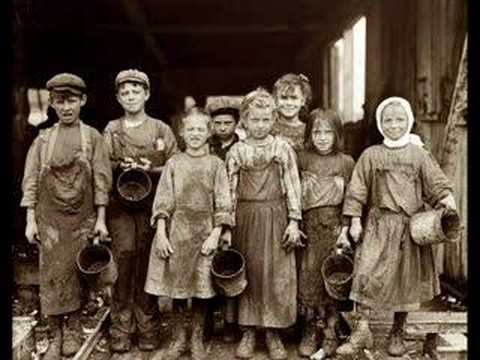
Further back? Like 1850, when much of the labor to produce goods or foodstuffs was performed by African slaves? When it was legal for husbands to beat their wives as long as the stick they used was no wider than their thumb? When children worked in coal mines? When no one had heard of weekends or sick leave or vacation time or minimum wage?
How far back, exactly, did you think we’d have to go to get back to “the Good Old Days?”
The colonial era when poor people and random miscreants were rounded up to work on ships or turned into indentured servants and no one had the right to vote?
Or the 1600s when people who couldn’t pay their debts were imprisoned? When those who didn’t agree with the dominant religion could be burned as a witch?
Or the 1500s when Protestants and Catholics fought endless wars?
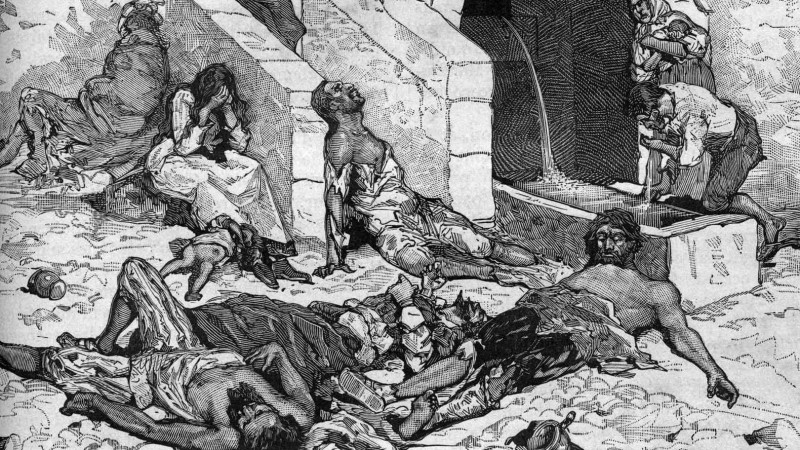
Or the 1300s and 1400s when bubonic plague killed one-third of the entire European population?
I mean, how far back do we go? The Crusades? The Roman Empire? Ancient Egypt?
In all those times, war ran rampant as nations ruled by kings fought over resources and territory. People starved and died of diseases that are now preventable or easily curable. Women died in childbirth and half the children born died before adulthood. All the inventions we now consider normal didn’t exist—heated homes, air conditioning, toilets, sinks, glass windows that open and close, motorized vehicles, air travel, ambulances, hospitals and medical doctors, understanding of planets, stars, and our sun, microscopes and the world of bacteria, viruses, cells, and atoms, organized educational systems and widespread literacy…
Could it be that the fondly remembered good old days were simply the days of our youth when we didn’t have to earn a living and didn’t know enough yet to worry? Could it be that those early years of playing in piles of leaves or swimming in a creek or coming home from school to savor a freshly made cookie were simply the experience of a decent childhood without any real application to the adult world? Or that our memories of childhood gloriously forget the bad stuff we don’t want to remember?
On Friday, Christmas Day 1874, and after more than two years of near-death tension, Bud Gilliland joined an energetic crowd at the Lewis Mills, a thriving Northwest Arkansas community along the Middle Fork of White River. In celebration of the season, proud horse owners lined up their snorting high-tempered steeds to compete in a favored recreation of those times, horse racing. The dusty race track stretched down the long valley. More than few friendly bets changed hands among the crowd as people craned their necks to see the red flag at the far end flapping in the stiff breeze.
Bud walked among the gathered horses, greeting people he’d known all his growing up years. He kept looking around, anxious to spot a particular face. If he saw Newton Jones, he knew what he’d do. He clapped his hand against the Colts pistol holstered at his hip. Hidden under his overcoat, the weapon wouldn’t provoke any outcry. At the right time, he’d put it to good use.
As it happened, this wasn’t a great place for someone feuding with a Jones.[1] The valley was the heart of Jones family lands. All the more reason for Bud to attend—he was sure to encounter Newton here. He paced a distance from the crowd, squinting under the overcast sky as he searched, finally satisfied the younger man wasn’t here yet. Bud squared his shoulders and lifted his chin. He’d waited long enough for this lily liver.
Newton had already saddled up when he got wind of Bud’s presence at the races. He’d been lying low, afraid of what Bud might do next. But as the season of holiday gathering approached, he’d decided he had to confront Bud, knowing the likelihood of his appearance at the races and infuriated over the near miss he’d suffered in Bud’s sights two years earlier. Bud’s brief time in jail hadn’t subdued him any. Those damn Gillilands thought they could get away with anything. And they damn near had.
Newton knew what it would take. He had a wife now and a baby on the way. The time for dangerous tomfoolery had ended.
A cold breeze ripped through the crowd as a man on a horse galloped in from the roadway. Bystanders had no time to react as Newton pulled up in a cloud of dust, whipped his Spencer rifle from its saddle scabbard, and quickly centered Bud in his sights. He took a deep breath and squeezed the trigger.
In a mere second, the leaden ball found its target. Shocked, Bud looked up into the eyes of his foe. A few men shouted amid the collective gasp as the gunshot echoed up the hillside.
The event would set off a chain reaction that would forever resonate through the region and the Gilliland and Jones families. Not only Bud but his two brothers Jeff and Fine would face other men at the point of a gun, and the killing didn’t stop there.
~~~
[1] On Arkansas Highway 74 between Arnett and Sulphur City, sometimes marked as Hicks, Arkansas
~~~
In the completion of my recent book, Murder in the County: 50 True Stories of the Old West, it became apparent that three of the fifty murders profiled there were committed by members of the same family! Intrigued, I researched more about these folks and the result is now published under the title The Violent End of the Gilliland Boys. Fascinating and shocking, this story features more twists and turns than an Ozarks dirt road.
The death of Bud surely grieved his father. But before the curtains closed on these descendants of J. C. and Rebecca Gilliland in 1890, two other sons and a grandson would die a violent death while yet another grandson serves hard time for murder.
What was it about the Gillilands?
This recounting of the family tracks their ancestry, their pioneer years on untamed land, and the hard work that made them one of the wealthiest families in Washington County, Arkansas. A fascinating tale of brash ego, brave gallantry, and bad luck.
By Lesley Vos Once upon a time, someone somewhere told people they couldn’t be creative writers if didn’t have particular genes or characteristics of brains. Gone are those days when we believed those yucks. Writers have learned to unlock and develop creativity with particular daily routine and lifestyle. Positive thinking, mindfulness, tons of writing techniques, and […]
1890 Photo of Guthrie looking southeast from 2nd Street and Oklahoma toward the U. S. Land Office, Hell’s Half Acre, Capitol Hotel, and Blue Belle Saloon. Believed to be a 4th of July parade. http://www.forensicgenealogy.info/contest_5_results.html
Police docket records for the first decade of existence for Guthrie (Logan County, Oklahoma Territory) reveal that government operations depended heavily on fines levied against prostitutes, those who maintained houses of gambling, and those who disturbed the peace by cursing, fighting, loitering, or other minor offenses. Taxes and licenses supplemented the city’s income. Major crimes such as murder fell under the jurisdiction of the federal court at Fort Smith.
Despite the heavy and persistent fines, gambling and prostitution flourished in this new frontier town. As shown in the following yearly summary of offenses, these activities tapered off slowly. By 1900, less than a third of the number of fines were levied against gamblers and prostitutes than had occurred in the peak year of 1893.
As the city gained its footing, additional laws were passed. For example, in 1891 fines were instituted for failure to license a dog, suggesting that dogs running loose had become a problem. With a continuing influx of people from other more settled places around the nation, greater pressure fell upon town fathers to clean up. Hogs and cattle became the subject of complaints as did the proper maintenance of outdoor privies. However, even by 1900, the number of arrests by Guthrie police for prostitution and gambling still topped any other offense.
As other sections of the former Indian Nations (Oklahoma) opened to white settlement, the front lines of gamblers and prostitutes moved to the newest places where largely male populations could be counted on as eager customers. Further west, mining of precious metals in California, Colorado, Arizona, New Mexico, and other areas formed the last frontier of rough and ready places where gamblers and ladies of the night could earn a profitable income.
At the time, journalist Frederick Barde reported on the gambling scene at Guthrie for the Kansas City Star, as recorded by Michael J. Hightower in his 2013 book Banking in Oklahoma Before Statehood:
Those who made it to Guthrie with their wallets intact might have visited the Reeves brothers’ gambling house operated by Dick and Bill Reeves. Opened on the day of the Run of ’89 in a big tent “where there was room enough for 1,500 men and women to gamble and drink and carouse,” the Reeves brothers ran their business in Guthrie for twenty years. Barde’s description of the famed honky-tonk confirms an image of the western saloon that has never yielded its place in our collective memory: “Gamblers from every State tackled the game that ran night and day in that sleepless place. Hundreds of thousands of dollars passed over its tables. The six-shooter and the dirk settled many a dispute, and the dead man was hauled away and the blood scrubbed from the floor as part of the day’s business. Outlaw gangs that infested Oklahoma in those days risked their loot against the faro bank and the roulette wheel—and usually lost.”[1]
As late as 1898, the situation in Guthrie continued to outrage the city’s more upstanding citizenry, as reflected in this editorial in the Guthrie Daily Leader.
Why is not some action taken toward driving out the hundreds of tramps, bums and tinhorn gamblers that infest the city? The streets and alleys fairly swarm with such vermin and with our present small police force the city is not safe. I hear daily of petty thieving done by this gentry. Such characters do a town no good and I think it high time to begin a crusade. Every night the joints on Second street are crowded with bums, who, after the lights go out, enter on a campaign of larceny. If the evil cannot be checked in any other way, then close the joints.[2]
Oklahoma Avenue 1893 Guthrie
Laws passed in 1893 in Oklahoma Territory allowed cities to levy an occupation tax on gaming tables, among many other activities including but not limited to auctioneers, contractors, druggists, restaurants, butchers, taverns, hawkers, peddlers, bankers, brokers, pawnbrokers, merchants of all kinds, grocers, wagons, carts, furniture dealers, real estate agents, and all kinds of exhibitions for pay.[3] The same 1893 law allowed cities to prohibit houses of gambling as well as prostitution, tippling shops, billiard tables, bowling alleys, etc., and specifically prohibits the granting of license for gambling or prostitution.[4] Observers might conclude that Guthrie’s town fathers deemed these activities too lucrative to completely banish, allowing gambling and prostitution to flourish in order to make the most of the fines they produced.
Also passed that year, a law stated that any officer of the law found to be drinking or gambling could be removed from office upon complaint by any citizen. This law may have been the cause of Bill Tilghman’s sudden change of career. After being appointed deputy marshal in Spring 1893, he gave up ownership of his gambling house.[5] Yet these stringent laws, including those that penalized property owners if their tenants pursued any such forbidden activities, seem to have been largely ignored by boom towns of those lawless years, as Guthrie’s police docket reveals.
Guthrie’s first decade of arrests were as follows:
1889 May thru Dec
Trespass 9
Trespass/Stealing 28
Assault/Fighting 8
Disturb Peace 14
Public Intoxication 1
Conduct Business w/o License 4
Fake Credentials 1 (doctor)
Maintain a House of Gambling 1 (Fine 10.00)
Maintain a Place for Prostitution 2 & Prostitution 46 (Range of fines: 8.50 – 36.00)
1890
Trespass 2
Assault/Fighting: 13
Failure to Pay Business Tax 7
Sell Beverage w/o License 1
Profane Language 6
Disturb Peace 5
Firearm 3
Public Intoxication 13
Maintain Public Nuisance 1
Maintain a House of Gambling 25 (Average fines: 10.75)
Maintain a Place for Prostitution 9 & Prostitution 43 (Average fine: 7.50)
1891
Assault 16 – 1 pitchfork, 1 w/ hoe
Disturb Peace/Fighting/Profanity 128
Discharge Firearm 3
Public Intoxication 30
Failure to Pay Business Tax 9
Maintain a House of Gambling 120 (Range of fines: 15.00 – 35.00)
Maintain a Place for Prostitution 9
Prostitution 148 (Range of fines: 7.50 – 10.00)
Unusual: Unregistered dog: 3
On Street w/o visible means of support 1
Left on ground exposed cow 1
Saloon open on Sunday or after hours: 3
1892
Assault 7
Disturb Peace/Fighting 156
Public Intoxication 52
Failure to Pay Business Tax 14
Maintain Public Nuisance 2 (one charge for hogs)
Maintain a House of Gambling 142 (Range of fines: 10.00 – 40.00)
Prostitution 202 (Range of fines: 7.50 – 10.00)
Unusual: Frequently found in house of prostitution, fined 46.55
Business open earlier than 5 am
Indecent exposure
Not burying dead pony
1893
Assault/Fighting 50
Disturb Peace 244 (many charges for “bad language”)
Loiter/Vagrant 24
Public Intoxication 84
Maintain a House of Gambling 29 (Range of fines: 8.50 – 40.00) (No arrests after March)
Prostitution 337 (Average fine: 10.15 – 13.65)
Unusual: Riding horse on sidewalk
Keep hogs in filthy condition
1894
Assault/Fighting 25
Disturb Peace 96
Loiter/Vagrant 6
Public Intoxication 93
Maintain a House of Gambling 1 arrest* (16.65 only recorded charge/fine, June)
Prostitution 270 (Average fine: 10.15 – 13.65)
(Terms used in booking: Place of Assignation, Bawdy House, Keeper, Inmate, House of Ill Fame)
Unusual: Allow horses to run at large
Carry on sexual intercourse at Arlington Hotel
Slaughter animals
Dress not belonging to his sex
* Mysteriously, arrests for gambling ceased entirely from April 1893 throughout 1894 and remained at a low rate in 1895.
1895
Assault 22
Disturb Peace 62
Loiter/Vagrant 16
Assault/Fighting 22
Public Intoxication 160
Maintain a House of Gambling 35 (Average fine: 16.65 – 31.65)
Prostitution 219 (Average fine: 11.65 – 31.65)
(Includes “occupy room for unlawful sexual activity”; “use room in restaurant for assignation”)
Unusual: Appear on street in lewd manner
Garbage in streets and alley
Allow cow to run at large
Hogs in city
Cow in dirty pen
Fail to close saloon at 12 a.m.
Group assault on John ‘Chinaman’
1896
Assault 30
Disturb Peace 77
Loiter/Vagrant 1
Public Intoxication 66
Maintain a House of Gambling 52 (Average fine: 16.65 – 31.65
Prostitution 152 (Average fine: 11.65 – 31.65)
Unusual: Leaving team of horses unattended
Keep meat market open after 9 a.m. Sunday
1897
Assault/Fighting 23
Disturb Peace 95
Loiter/Vagrant 27
Public Intoxication 147
Maintain a House of Gambling 61
Prostitution 207 (Three women filed physician certificates, assumed to verify state of health); arrests for cohabitation: 23
Unusual: Appear on street in unbecoming dress (female)
1898
Assault/Fighting 21
Disturb Peace 78
Loiter/Vagrant 30
Public Intoxication 95
Maintain a House of Gambling 41
Prostitution 169 (Cohabit: 36)
Unusual: Remove contents of privy without license
Sale of liquor on Sunday
1899
Assault/Fighting 34
Disturb Peace 55
Loiter/Vagrant 32
Public Intoxication 181
Maintain a House of Gambling 64 (Average fine $40)
Prostitution 136 (Cohabit: 28) (Average fine $10)
Unusual: Maintain filthy condition injurious to public health
Overflowing privy vault
Steal 27 hen’s eggs
1900
Assault/Fighting 30
Disturb Peace 73
Loiter/Vagrant 14
Public Intoxication 243
Maintain a House of Gambling 33
Prostitution 142
Unusual: Giving musical concert on the street without a license













 denelecampbell