“I’ve had my jaw broke three times, my nose broke five times to the point that the VA had to do the operation they do to boxers. My hand’s been broke and on fire once, enough that the skin was gone clear back to my wrist. I’ve fell off buildings, ladders, and mountains. Somehow I survived all that craziness.”
How Ray Mooney survived the incredible journey of his life is indeed a question for the ages. Polio, combat assault jumps from helicopters in Vietnam, and three children by three different wives didn’t kill him. Neither did the flagrant murder of his father by his father’s latest wife. But the traumas changed him, as they would change any man.
Told in his own words, Ray’s life story rushes from one shocking experience to the next and brings him to the last days as he faces end stage lung disease. Turkey killer, outlaw, entrepreneur, and disabled vet, this boy from the horse farms and tobacco fields of Kentucky relates his adventures with wry wit and breathtaking honesty.
One of several 5 star reviews:
“Ray” is one of the people you don’t usually find in books, especially as the central character. As a true story, honestly served up without sweeping much out of sight, his story is about as raw and painful as most of us can bear or dare to step into. Wars change people for their entire lifetimes and in different ways. Vietnam certainly did that to Ray. If nothing else comes of his story inside readers’ minds and guts, at least maybe they’ll realize what we do to each other and what’s done to us in love and war defines who we are. Ray’s one of the survivors, one of the good ones.
Another 5 star review:
The take away from this book is that Ray Mooney has lived one tough life. And you won’t get any Pollyanna ending from it either. No falsely uplifting conclusion to make you feel good about yourself and the world. Nope, none of that. This book is about being honest and authentic. Put together by highly skilled author and historian Denele Campbell from the personal recollections of Ray Mooney, this basically chronological memoir takes us from the impoverished hills of Kentucky to the terrors of combat in Viet Nam. We learn about Ray’s many loves, wives and children and the horror of his father’s murder by Murderin’ Liz, one of Ray’s stepmothers. There’s no way to recount all the stories in here, there are too many of them and they often beggar the imagination to describe. Suffice it to say it is an extraordinary read, and a fast one. I give it five stars on sheer candidness alone.
1972. A Yankee learns the Ozarks way and lives to tell his tales. Now almost a native, Denny fondly reminisces about the people and places of his adopted home.
Denny Luke is an adventurer. During his years as a Navy man, he built hot rods with money he made with shipboard loansharking. He returned to his native Ohio where he soon tired of the mechanic’s life. Computers had just started to break the surface in 1966, the perfect attraction to a young man with a sharp mind and plenty of ambition.
Hot cars and Enduro motorcycle racing occupied Denny’s next few years as he helped usher in the computer age in Minneapolis. But another adventure awaited when in 1970 he fell in with a bunch of hippies. By 1972, he had found his way to the Ozarks.
An avid photographer and storyteller, Denny shares the adventures of his life as he recalls the outrageous backwoods tales and colorful characters who populate the southern fringe of Washington County in Northwest Arkansas.
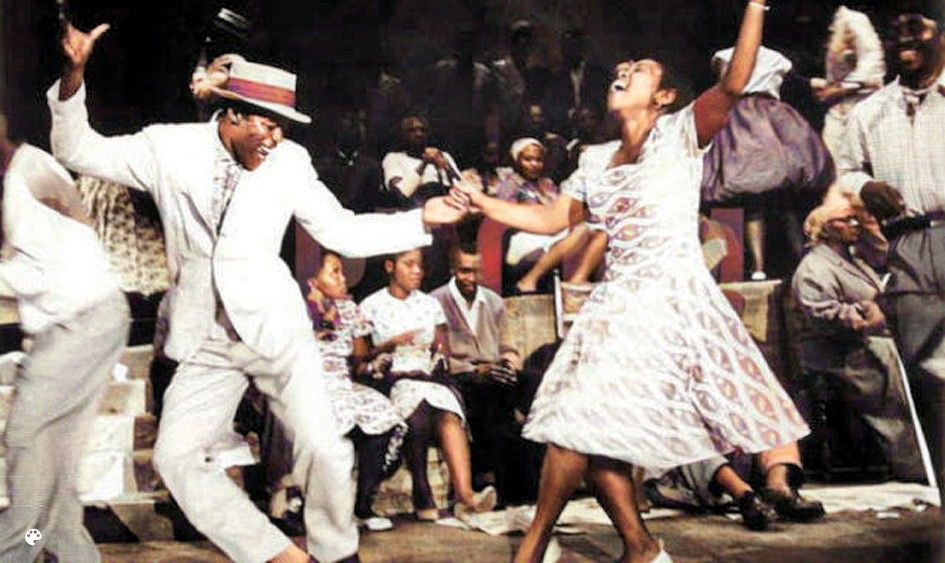
As the 19th century gave way to the 20th, the world of entertainment experienced a massive shift. The invention of electronic media—radio, recordings, movies—brought music to remote homes and new audiences. Sweeping Fayetteville, Arkansas, and its outlying areas before its new wave, the familiar sounds of minstrels and brass bands soon made room for opera, jazz, and the Roaring Twenties.
Key to these transformations were three men and an innovation in the Black community, each taken singly in these chapters. Frank Barr spanned the days of military brass bands to the innovation of his boys’ band that performed soundtracks for silent movies. Henry Tovey, an import from the conservatories of Illinois, took the University of Arkansas fine arts program to unexpected fame. Owen Mitchell, a musician of unusual talent, embraced jazz and led one of the area’s most popular swing bands. Finally, the Black Diamond Orchestra rose from the heart of Fayetteville’s Black community to popular acclaim across the region.
The world of entertainment enjoyed by so many today grew from these roots, from the talented few who generously shared their knowledge and passion and gave music a future of unexpected and thrilling potential.
John Randolph Campbell, holding a Bible, believed in his late 20s circa 1875-1880
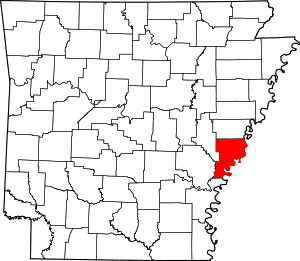
Records of John Randolph’s birth name a birth year of 1853, although various other records show conflicting dates. A church record states that he was born December 24, 1853, in Independence County, Arkansas. In 1873 at age 19, he married Sarah “Sally” Elizabeth Prince at Sulphur Rock, Independence County, Arkansas. She was his second cousin once removed.
Miss Prince was born September 1849 in Tennessee, daughter of William Prince and Martha Lamberson. This Lamberson is related to John’s mother’s family: Melinda was her first cousin once removed. William J. Prince was born 1813 in Georgia, and died during the Civil War in Independence County, Arkansas, as did his wife Martha Lamberson Prince, born 1825 in North Carolina. Sarah Sally’s siblings were William H., b 1842 TN (CSA AR 8th Inf. Co. E, enrolled August 6, 1862 at Sulphur Rock, AR, between Newark and Batesville); Mary A., born 1847 TN (married James Scott); Virginia b 1850 MS; James Ferdinand b 1852 AR; Martha Jane b 1857 AR (married George Hill 1872; David Bruton 1879); John T. b 1858 AR; Tennessee “Babe” b 1860 (raised by Mary, married Riley Whaley).
Birth records for the couple’s sixth child, Benjamin, dated 1888, states that John age 38 was a farmer and preacher, born at Newark Arkansas, and that Sarah age 40 was born in Mississippi.
John Randolph Campbell and his new wife Sally produced the following children:
i. Emma Campbell b. 1874, Newton Co., AR, d. 1888 of rheumatic fever at age fourteen
ii. Mary Molly Campbell b 1876, m. Frank Pratt(s). Children were Mabel m. Fred Albert; Lizzie m. John Hilburn; Beulah; Pierce; Lennox; Urcil “Huck”; Margie; Nettie (died).
iii. John William Campbell, b 1878, m. Mary Jane Ellis. John William is the great-great grandfather of my three Campbell children.
iv. Jack O’Neil, b. Dec 25, 1882 at Newark, Indep. Co, AR, d. Apr 14, 1960, Newport, married July 19, 1903 to Emma Bell Hicks and produced Lennie Mae, Bertha, Commie O’Neal, Rutha Lee, and Opal Christine. Jack then married Donnie Inness and produced another eight children: Edna Irene, Burl Nathaniel, Aubrey Evereett, Almeta Beatrice, Leeaun Utah, J. C., Alvin Newton, and Thelma Joyce.
v. James Campbell b 1880, m. Mary Willis. Children were Dallas, Nanny, and another daughter.
vi. Clu Campbell, died at age 9 – not found in family birth records
vii. Benjamin Harvey Campbell, b June 14, 1888, Pleasant Plains, Indep. Co AR, d. Nov 19, 1966, Newport, Jackson Co, AR. married Willie Hicks, married Ocra Ellen Tibbs, and their children were Eva Jewell and Clemins Alvin. He then married Helen Carmen “Nell” Yancy, and produced Vesta Lola, Virginia Vivian, Mather Carnell, Veda Lee, Milous Harvey, and Benjamin Morris.
The 1880 Newton County Arkansas census for Jackson Township lists John Campbell age 26 with wife Sarah age 25, with children Emma age 6, Mary age 4, John age 2, and James six months. John’s occupation was farming.
John Randolph and Sarah Prince Campbell, circa 1900
The 1900 census for Fairview Township, Newton County (?) lists John R. Campbell age 46 as a mail carrier, land owner with a mortgage, married 27 years to Sarah, age 50, with seven children of which five were living. Jackson, age 17, was a hack driver, and Harvey age 13 was a farm laborer. They housed a lodger named William Hicks. The 1920 census for Jackson County Arkansas, Richwoods Township, finds John R. Campbell age 67 and Sarah A. age 72 living in a rented home, with his occupation described as clergyman and evangelist. The 1930 census for Amagon (Richwoods Twp) lists John R. age 80 and Sarah age 84 living in a rented home without occupation.
John Randolph was about five-nine at 185 pounds, although in older age he became “heavy set.” He worked as an itinerant preacher, following the Church of Christ denomination. “On September 29, 1895, John R. Campbell was authorized to work as an evangelist by the “Disciples of Christ, worshiping at Surrounded Hill Arkansas.” In 1889, he was ordained as a preacher by E. M Kilpatrick, and J. L. Kitridge, Clerk for Tex-Ark & Indian Territory: Credentials, page 32.
This poor quality image shows John Randolph in the process of baptizing a convert, date unknown.
According to one descendant, “John Randolph used to preach near Bradford [Arkansas] at least once a month; Aunt Nell [wife of Benjamin Harvey] remembers hearing him preach in 1914 near Swifton … said his name was Campbell and he was a Campbellite preacher. In 1917 he lived in the Pennington community and preached at different places. He received very little money as payment, mostly fresh vegetables, canned food, and some meats. Aunt Nell said she overheard some older women talking about the time he received a large handkerchief and two week’s board for holding a meeting. He preached some at Amagon and went to church barefoot … services were held in the schoolhouse.”
John Randolph and Sally, date and location unknown
He also rented farms to grow cotton and he traded horses and any other item of value. When his third child John William and family settled in Fayetteville after 1918, John Randolph and Sarah joined them, living first at John William’s store at the corner of Rock and Mill, then on Frisco Street and finally on the south side of Spring Street in the four hundred block before moving back to east Arkansas. His grandson John Carl later recollected that he drove an old Overland Blue Bird.
Overland Blue Bird
One descendant stated that “John R. Campbell was a preacher. He was really a corker. Pulled some pretty good stunts. Think he drank a lot.” It was said by his grandson Zack that there were only two places that John Randolph would drink home brew, and that was “on this side of the Bible and on the other side.” His wife Sally dipped snuff, and sometimes smoked a cob pipe. Sally’s daughter-in-law (Mary Jane Ellis) stated that the Prince women were known to have “woods colts,” a euphemism for illegitimate children. In old age, Sally suffered a “dowager’s hump,” now known as osteoporosis. Sally and John Randolph both died in the Newport Arkansas area.
Mary Molly Campbell
Little is known about William and Melinda Campbell’s second child, Mary Molly. She is not listed in the 1860 census of Howell County Missouri. Later records show her spouse as John Willis Payne. Willis was born in 1854 in Kentucky, with both parents also born in Kentucky.
Willis and Mary Payne are found in the 1880 Newton County, Arkansas census, Jackson Township, at ages 25 and 26, respectively, evidence she was born in 1855 two years after John Randolph. Also in the household is her younger brother James, listed a ‘boarder.’
In a letter dated 1971 from Elizabeth Campbell Farmer, daughter of James “Jim” William Campbell, Elizabeth states: “Mary Payne is my papa’s (Jim Campbell) only sister. We called her Aunt Molly and she was married to Willis Payne.”
After 1880, Willis and Mary vanish from public records.
James William Campbell
James William Campbell with his first wife Nancy Jane Bell on his right and her half-sister and his second wife Eliza Lawson on his left, circa 1888. James holds a pistol in his hand.
At age 24, James married Nancy Jane Bell (age 19), daughter of William Levi and Nancy Busby Bell, September 18, 1882, in Newton County, Arkansas. This was two years after he was named as ‘boarder’ in the household of his sister Mary and brother-in-law Willis Payne. James and Nancy moved to Harrison (Boone County) Arkansas but in 1886 they moved back to Newton County where they settled in the Mt. Judea area (pronounced “Judy” by locals). There James dug wells and cisterns and built chimneys, as well as farming his land with cotton, corn, and small grains. He was a “great hand with a scythe and cradle and would get $1.00 per day for cutting wheat, a good wage for that time and more than most men were paid.” His son, Wesley A. Monroe, said they had “biscuits one to three times each day during the wheat harvest then cornbread three times a day for the rest of the year.”
He was elected Justice of the Peace in 1892 and remained in office for years. About the same time the family moved into a “box” house on land they homesteaded, a cause for celebration since most families lived in rough log cabins. In his capacity as JP, he married many couples and was said to shed tears during the ceremonies. He only went to school two days in his life, according to his descendants, but was a self-educated man. He taught school two summers – “Script” or conscript school. Each family paid one dollar for each child attending.
James and Nancy Jane Bell Campbell 1905, with children Dewey Floyd (between them) and Rosa on right
In the fall of the year, James would go away to pick cotton (probably in the river bottoms) and would take his wife’s handicapped half-sister Eliza Lawson as well as his older children. His wife Nancy Jane stayed home to care for the younger children and the homestead. It is said that James and Eliza lived as husband and wife during the cotton-picking trips. Nancy spun thread and wove most the cloth used for their clothes, including coats. The pants and coats were made of half wool and half cotton, called “linsey-woolsey.”
James also served in some capacity with the Spear Mining Company for their lead and zinc mine near Pendle. He was a school trustee for the board of education and helped to hire teachers. He was a “jack of all trades,” doctoring animals and people by setting broken limbs on splits that he whittled. He farmed and grew everything his family ate, including the livestock.
The eleven children of James and Nancy, as well as his child by Eliza Lawson and children by Nancy Walls, his third wife, are not listed for sake of privacy.
Sarah E. Campbell
The 1860 census, taken July 19, gives Sarah’s age as one month. Thereafter, no record of her is found. Assumed she died in infancy.
Dear Reader — you may search for Part III, but recent DNA testing has shown that our tenuous theory on the lineage of Duncan Campbell and the Campbells of Glenorchy is WRONG. The evidence shows that the Patrick Campbell of Barbados is not related to the Campbells of Glenorchy. We’ve learned that John Campbell, grandson of William Campbell of Virginia, moved to Kentucky. From there, records are not complete enough to convince us that the military service shown below is for John Campbell, the son of John who moved to Kentucky. But we follow what records we have found to lead us to John and Nancy Spencer Campbell, assumed parents of our William Campbell.
RECORDS OF JOHN CAMPBELL (1795-1850)
1812 War of 1812 Service Records, 1812-1815
John Campbell, Brown’s Reg’t, East Tennessee Vols. Rank: Private on induction and discharge. [Roll Box 33, Microfilm Publication M 602. Direct Data Capture, comp. U.S., War of 1812 Service Records, 1812-1815 [database on-line]. Provo, UT, USA: Ancestry.com Operations Inc, 1999. Original data: National Archives and Records Administration. Index to the Compiled Military Service Records for the Volunteer Soldiers Who Served During the War of 1812. Washington, D.C.: National Archives and Records Administration. M602, 234 rolls.]
Research from Clark Family Tree by kimberlyjolson [Ancestry.com] found John Campbell military records:
Military 28 Apr 1814, enlisted in 17th infantry for 5 yrs by Lieut Monday. Described as 5’7” w/ blue eyes and fair hair, light complexion, 21 yrs old, laborer from Hawkins Co TN.
1814 Marriage Record:
Nancy Spencer marriage to John W. Campbell Jr. Dec 6, 1814, in Christian Co KY. They were both 19 that year.
Ancestry.com. Kentucky, U.S., County Marriage Records, 1783-1965 [database on-line]. Lehi, UT, USA: Ancestry.com Operations, Inc., 2016. Original data: Marriage Records. Kentucky Marriages. Madison County Courthouse, Richmond, Kentucky
1820 U. S. Census Reconstructed Records, 1660-1820
Jno Campbell, male, Arkansas Territory: List, 27 Aug 1823, of suits in the territorial Supreme Court, When instituted: May 1823; No.: 9; Against whom instituted: Jno Campbell; In what capacity delinquent acted: Trespass on public land; Amou…” Document: Territorial Papers of the US; Volume Number: Vol 19; Page Number: 539; Family Number: 9
1821 Homestead and Cash Entry Patent
John Campbell, Arkansas Land Office, Document #23062. 160 acres 1 SE 5TH PM No 2S 2E 13, issued Dec 4, 1821 under Act May 6, 1812, Script Warrant Act of 1812.
1830 census at Walnut, Phillips Co., AR Territory
1 m 30-39, 2 f <5, 2 f 5-9, 1 f 10-14, 1 f 15-19, 1 f 30-39 Year: 1830; Census Place: Walnut, Phillips, Arkansas Territory; Series: M19; Roll: 5; Page: 124; Family History Library Film: 0002473
Phillips County, Arkansas
Land Records
1821 – Dec 4: James Monroe, President of the United States of America, To all whom these presents shall come, Greeting: Know ye, that in, in pursuance of the Acts of Congress appropriating and granting land to the late Army of the United States, passed on and since the 6th day of May 1812, John Campbell having deposited in the General Land-Office a Warrant in his favor number 23,062, there is granted unto the said John Campbell, late a private in Baker’s Comp J of the 3rd Reg’mt of Infantry, a certain Tract of Land containing one hundred and sixty acres being in the South East quarter of Section 13 of Two 2 S in Range 2 east in the Tract appropriated (by the Acts aforesaid) for Military Bounties, in the Territory of Arkansas, To Have and To Hold the said quarter section of land with the appurtenances thereof, unto the said John Campbell and his heirs and assigns forever. Bureau of Land Management, General Land Office Records; Washington D.C., USA; Federal Land Patents, State Volumes
1837- Aug 15, Deed at Phillips Co., AR, for NW ¼ of Section 11, Twp 2S, R 3 E., 160 acres. Helena Land Office. Bureau of Land Management, General Land Office Records; Washington D.C., USA; Federal Land Patents, State Volumes
1837 – Aug 15, Deed at Lee Co., AR for W ½ SW ¼, Section 15, Twp 2N, R 4 E, 80 acres. Bureau of Land Management, General Land Office Records; Washington D.C., USA; Federal Land Patents, State Volumes
1840 census at Richland Twp, Phillips Co, AR
1 m <5, 1 m 10-14, 1 m 40-49, 1 f <5, 1 f 10-14, 3 f 15-19, 1 f 40-49 Year: 1840; Census Place: Richland, Phillips, Arkansas; Roll: 19; Page: 57; Family History Library Film: 0002474
Independence County, AR
1850 census at Greenbrier Twp, Independence Co., AR – Taken Nov 1850 after John died, Nancy is head of household
1850 death record
John died April 12, 1850 of pneumonia at Independence Co., AR Records show date and place of birth: Tennessee 1795. Arkansas Historical Commission; Little Rock, Arkansas; U.S. Census Mortality Schedules, Arkansas, 1850-1880; Archive Roll Number: 1; Census Year: 1849; Census Place: Independence, Arkansas; Page: 365
1850 Probate
Nancy Campbell executor for John’s estate. Arkansas Historical Commission; Little Rock, Arkansas; U.S. Census Mortality Schedules, Arkansas, 1850-1880; Archive Roll Number: 1; Census Year: 1849; Census Place: Independence, Arkansas; Page: 365
A letter of administration names Nancy, Wm Hightower, and Joseph P. James as bond for $800 on estate of John Campbell. Probate date 24 Jan 1851, Independence Co., AR. Letters of Administration, 1821-1845; Administrators and Guardians Bonds, 1847-1854.
An additional probate record from March 1851 states further proves that the John Campbell of Philips County is the same as the John Campbell of Independence County.
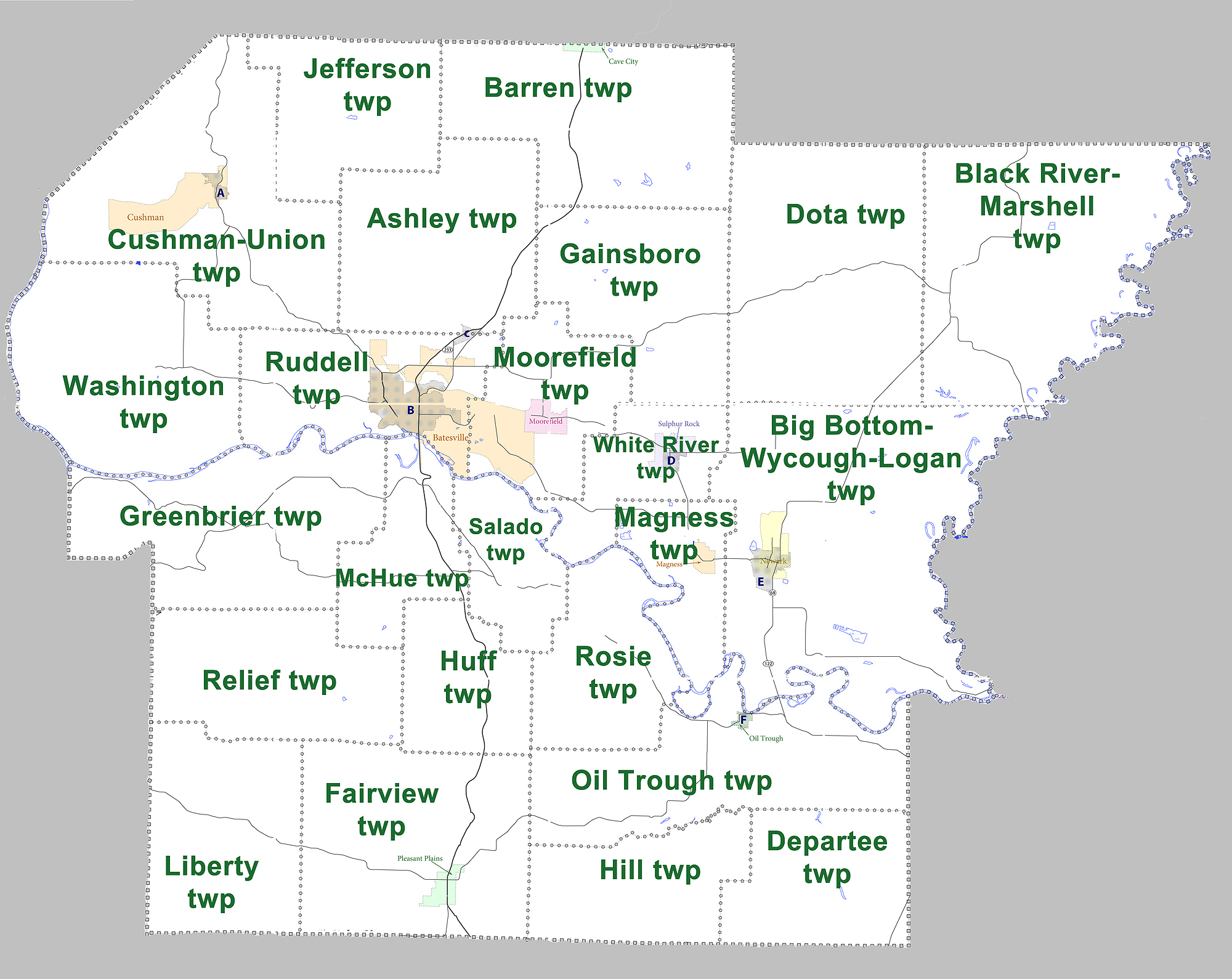
Independence County, with county seat Batesville in center
Received of Nancy Campbell as Administrator of the Estate of John Campbell deceased the sum of Eighteen dollars and Eighty cents (illegible) for my expenses on the River trip from Philips County and my Services in bringing honey from Philips County to Independence belonging to the Estate of John Campbell (illegible) this 20th May AD 1851 … Signed by Thomas (illegible, possibly ‘G’) Perry.
1850 census for Nancy Campbell
Taken at Greenbriar Twp, Indep Co in November 1850 shows her age 55 b KY with Sarah 20 b 1830, Rebecca 17, John H. 11, and two unrelated. Nancy’s kids all marked as born AR meaning they were in the state at least by 1830.
Ancestry family trees and other online resources name the oldest child of John and Nancy as Sarah born in 1830 while a few name Fanny b. 1828 as the oldest. However, the couple married in 1814 and surely did not wait until 1828 or 1830 to start a family. This gives plenty of room for William to be born in 1818-19.
Nancy’s death
Nancy died in 1852 without a will and her affairs were handled by next door neighbor Calvin Lacefield age 29, b KY, as shown in the 1850 census.
Administrators and Guardians Bonds and Letters, 1821-1902; Author: Arkansas. Probate Court (Independence County); Probate Place: Independence, Arkansas
Discussion of Problems
According to land records, John Campbell’s household in Phillips County 1830 census shows John Campbell household with NO SONS and six daughters. Our William was 10-12 years old in 1830. Other Campbell households in Phillips Co. show Samuel C. with two adults in their 20s, which is too young for William. The only other Campbell household in Phillips Co. is William Campbell’s, again too young for William.
Our William’s parents had to have been at least 20-25 when he was born, making their birth dates in the mid -1790s, or, more to the point, they would be in their 30s at the 1830 census. This fits well with John and Nancy both born 1795.
Rationale for strongly favoring these persons as William’s parents:
The 1850 census shows all these people in Greenbrier Township, Independence County, AR
A total of ten Campbells are listed in that county census for 1850, 6 in Greenbrier Twp:
Nancy Campbell household in Greenbrier, Township: Nancy 55 b KY, Sarah 20 b AR 1830, Rebecca 17 b AR 1833, John H. 11 b AR 1839. Nancy cannot read or write. Two lodgers include Joseph H Lane, farmer age 17, and Milla Lane age 8, both b. AR Year: 1850; Census Place: Greenbrier, Independence, Arkansas; Roll: 26; Page: 356b – Household #623
William Campbell household in Greenbrier Twp: William 32 b TN. Year: 1850; Census Place: Greenbrier, Independence, Arkansas; Roll: 26; Page: 357b—Household #637
Maud Campbell, age 25, place of birth not known, lives in household of Joab H. Peel age 36 b. KY, and his family including wife Martha A. age 27 b TN, and four Peel children ages 2 to 9 all b AR; as well as Martin Crisman age 31 b TN, occupied as ‘ferryman’. Year: 1850; Census Place: Greenbrier, Independence, Arkansas; Roll: 26; Page: 355b—Household #608
About ten miles away, in Ruddell Twp were the following Campbells:
John Campbell, age 50 b GA, in household of John E. Womack and family, working as ‘farmer.’ This John Campbell died in 1853 and Womack was executor. Womack’s wife Nancy was 41, too old to have been the daughter of our John and Nancy.
George W. Campbell, age 30, b TN, farmer. Living with wife Elizabeth 19 and son Robert A., infant.
I’m convinced that the Greenbrier Campbells are of the same family. It is obvious Nancy and John were a couple since she was appointed his executor upon his death. It’s also obvious that with a marriage in 1814, they didn’t wait until 1830 to start having children, which is what all the Ancestry records show, few if any of which were developed by an experienced genealogist.
I believe that Maud Campbell age 25 and Joab Peel’s wife Martha age 27 were John and Nancy’s daughters, and that William 32 was also their child, possibly the first. It’s also likely that George W. age 30 in Ruddell Twp. was a child of John and Nancy. There may have been another older sister who married a Lane whose children lived with Nancy in 1850.
It seems very likely that if George W. Campbell was the son of John Campbell of Georgia, as shown in the 1850 census for Ruddell Twp, he would be living in one of the Campbell households instead of the Womack household. I’m aware this does not constitute proof.
Considering the theoretical ancestry for John, it’s not surprising that he would have sons named William, George, and John.
Note: Ancestry family trees which show this John Campbell as married to Ellender Neel do not take into account that Nancy was the executor.
Books are gifts that last forever, endlessly entertaining for the recipient you have in mind. For the old codger in your family, give him (or her) a rush back to their prime with any of these four affordable treasures!
Gas, Grass & Ass
Seeking a self-sustaining life outside the city and a new start for her marriage, this twenty-five-year old woman boldly embarked on proprietorship of a full-service gas station along a busy highway in rural Arkansas. Her hope to live and work at her own place of business soon encountered not only the end of her marriage but also the entrenched conservatism of the rural South. Joyful in recounting her experiences in an endlessly astonishing parade of human nature, Campbell’s stories portray a unique slice of American life at a pivotal time with the fall of Richard Nixon’s presidency and the end of the Vietnam War. Buoyed by a wellspring of support and companionship, Campbell struggles to hang on to her dream of independence. Get your copy now!
5 star review: “I enjoyed this true story about a determined young woman in the early 70’s owning and operating a small gas station on her own. Interesting “characters” who frequent the station and the dynamics of small town life. Takes you back in time !”
Aquarian Revolution
They were the hippies, the drop-outs, the radicals. They came from New York, Detroit, Chicago, Los Angeles, New Orleans, and bought cheap Arkansas land where they could build lives with meaning. Often the topic of heated rhetoric and armchair analysis, those who went ‘back to the land’ rarely speak in their own voice. Now documented in these personal interviews, their stories reveal the guts, glory, and grief of the 1960s social revolution. Buy it today!
“Denele Campbell’s informative ‘Aquarian Revolution: Back to the Land’ fills a much-needed niche in the history of the Counter-Culture movement. Unlike in more crowded Europe, America’s rural expanse offered an escape, a new beginning in the 1960s, from a social cancer spreading through the dominant culture. The dream of finding land to till and an alternative life style had been an American dream since its founding. America’s cities, mired in racism, sexism, poverty, and riots, seemed doomed. The ‘baby boomers’ sought escape by going to the land, many for the first time. Denele Campbell has carefully chronicled the personal stories of thirty-two pioneers who opted to create their utopian vision in the Ozarks. As such, their quest is at times fascinating, amusing, and often painful. Yet, it is a good read for those who lived through this era as well as today’s young.” —-T. Zane Reeves, Regents’ Professor Emeritus, University of New Mexico and author of Shoes along the Danube.
Ray: One Man’s Life
“I’ve had my jaw broke three times, my nose broke five times to the point that the VA had to do the operation they do to boxers. My hand’s been broke and on fire once, enough that the skin was gone clear back to my wrist. I’ve fell off buildings, ladders, and mountains. Somehow I survived all that craziness.”
How Ray Mooney survived the incredible journey of his life is indeed a question for the ages. Polio, combat assault jumps from helicopters in Vietnam, and three children by three different wives didn’t kill him. Neither did the flagrant murder of his father by his father’s latest wife. But the traumas changed him, as they would change any man.
Told in his own words, Ray’s life story rushes from one shocking experience to the next and brings him to the last days as he faces end stage lung disease. Turkey killer, outlaw, entrepreneur, and disabled vet, this boy from the horse farms and tobacco fields of Kentucky relates his adventures with wry wit and breathtaking honesty. Buy Ray’s story
South County: Bunyard Road and the Personal Adventures of Denny Luke
1972. A Yankee learns the Ozarks way and lives to tell his tales. Now almost a native, Denny fondly reminisces about the people and places of his adopted home.
Denny Luke is an adventurer. During his years as a Navy man, he built hot rods with money he made with shipboard loansharking. He returned to his native Ohio where he soon tired of the mechanic’s life. Computers had just started to break the surface in 1966, the perfect attraction to a young man with a sharp mind and plenty of ambition.
Hot cars and Enduro racing occupied Denny’s next few years as he helped usher in the computer age in Minneapolis. But another adventure awaited when in 1970 he fell in with a bunch of hippies. By 1972, he had found his way to the Ozarks.
An avid photographer and storyteller, Denny shares the adventures of his life as he recalls the outrageous backwoods tales and colorful characters who populate the southern fringe of Washington County in Northwest Arkansas.
Dragging a building back from the brink–rotted roof, sagging floor joists, and years of sheltering homeless people were just a few of the tasks waiting this new owner.
What began as a quest for a larger yet affordable shop space for a small-town repair business turned into a thirty-year adventure in the ups and downs of real estate ownership with detours into such unexpected crises as adverse possession, lawsuits, evictions, city ordinance violations, easements, and endless tenant drama.
The author of this blow-by-blow account offers helpful hints based on hard-earned lessons about ownership of commercial property in a rapidly growing part of the country, Northwest Arkansas. Perhaps even more helpful to anyone interested in dabbling in this particular type of investment opportunity is the entertaining narrative tracking one person’s struggle to learn, adapt, and survive in the onslaught of unexpected legal, construction, and tenant challenges while raising three children and surviving a failed marriage.
Will the story end in despair and bankruptcy? Or will the investment pay off with retirement income sufficient to keep body and soul together into the twilight years?
Author of “how-to” books and over a dozen studies of local history, Campbell’s incisive observations about her adventures in the local real estate market offers a treasure-trove of advice to anyone contemplating investing in commercial real estate. This richly-told story is a profile of how to get in cheap and make it work for anyone looking to provide a decent return on almost zero dollars and a lot of sweat equity.
Of all the stories still told about Rex Perkins, none has enjoyed such ongoing and avid public interest as the murder trial of Virginia “Queenie” Rand. Mrs. Rand, an attractive brunette and wife of J. O. Rand, a prominent Rogers businessman, was charged with the crime of second degree murder for the killing of Harry V. “Buddy” Clark on August 9, 1959. Clark, married and father of two, was shot in Virginia Rand’s bedroom.
The Arkansas Supreme Court’s decision in the Rand v. State appeal was delivered December 12, 1960. Their summary of the offense follows:
“It appears from the record that on the evening of August 8, 1959, the deceased, Clark, and his wife entertained Mr. and Mrs. Sam Davis in their home. At about 1:15 a.m. on August 9, Mr. and Mrs. Davis left the Clark home and at the same time Clark left in his car to check the receipts at the Horseshoe Grill, a café which he owned located some 8 blocks from the Clark home in Rogers. Although the evidence is somewhat uncertain, it is clear that Clark finished his work at the café and at 1:30 a.m. the night police radio operator received a call from a woman identifying herself as appellant, who said: “Send someone out here, I have had some trouble.” After the radio operator sent a patrolman to the Rand home, the appellant called again and said: “I have shot a man. I shot Buddy Clark.” Upon arrival at the Rand home, the patrolman was told by appellant that she shot Clark in her bedroom. The patrolman immediately went to the hospital where he found Clark on the floor in the hall. Nurses at the hospital testified that Clark came in the front door and fell to the floor. The records show he was admitted at 1:45 a.m. He expired at 4:17 a.m. that same morning.
“The patrolman testified he found tracks in the heavy dew going in and out of the Rand house and found a gun about 4 to 6 feet from these tracks. There were two bullet holes in the bedroom walls and 5 empty cartridges were found in the bedroom. The deceased was shot 4 times—3 times in the chest and one time in the right arm. No trace of blood was found in or around the Rand house but there was blood on the steering wheel and door of Clark’s automobile.”
The case transcript runs 796 pages leading some to observe that everybody in town must have testified. The question before the jury in the second trial, ordered after the appeal was: Is she guilty of murder? Can Rex get her off?
Rex Perkins was the man of the hour in this case, just as he had been in just about every other case he ever faced from the start of his legal career in 1932. But the law wasn’t his only passion. He loved his hunting dogs almost as much as he loved his wife and daughters, but none of that stood in the way of his pursuit of a strong drink and other women. Most of all he loved to play his fiddle. Truly a man with powerful passions and incisive intellect, even sixty years after his death, his memory remains strong within Washington County’s legal community.
Read his fascinating life story from a time when courtroom hijinks ranked high in the arsenal of criminal defense attorneys like Perkins. Available at Amazon.com
The execution site perched on a low hill lying just east of the National Cemetery in south Fayetteville, about one mile from the county jail at the town square. Its position served well in accommodating large crowds of observers anxious to watch the hanging. The place later became known as Gallows Hill and remained in use for executions until the Civil War. After the war, in 1867, the site was taken over by the federal government and became part of the National Cemetery.
On a cold clear November day, the couple was brought by wagon to the wooden platform, a hood placed over their heads and then the noose, and last prayers uttered. It seemed the entire county’s population had turned out to witness the macabre event as the drop doors opened and Crawford and Lavinia fell into the arms of death.
Soon after the execution of his parents, John Burnett was arrested in southeast Missouri and brought back to Fayetteville. The testimony of Sharp quoted previously in this story was given by Sharp at John Burnett’s trial. On December 4, 1845, John Burnett was indicted and quickly sentenced to his fate. The same gallows awaited him. Despite his attorneys’ protestations of his innocence, of which they were fully convinced, thirty-four-year-old John Burnett was hung on the day after Christmas, December 26, 1845.
What unspeakable crime could have sent the Burnett family to their deaths?
Murder, it was alleged, planned by the aging parents and facilitated by their son John. Murder of an old man named Jonathan Selby, a recluse rumored to hoard wealth in his remote cabin, not an uncommon thread of gossip about someone who didn’t make himself known within social circles. His cash payment for his eighty acres contributed to this idea. He may have exhibited a degree of wealth by purchasing livestock or building materials for his home, outbuildings, or fences. Later court testimony revealed that he had made the mistake of allowing someone to see him place a quantity of money into his wallet.
Did the murderers find a money hoard? Did the Burnett’s daughter Minerva regret her role in her family’s execution? These are a few of the questions that linger after a crime like this, a crime that led to the first execution of a woman in the State of Arkansas.
~~~
Contrary to popular notion, Arkansas was part of the Old West along with Texas and the rest of those more familiar dusty southwestern places. Its western border joined up with the Indian Nations where many a weary marshal rode out with his bedroll and pistol carrying writs from the U. S. District Court at Fort Smith in a search for a steady stream of men rustling livestock, stealing horses, selling whiskey, or running from the law.
From its earliest days, Washington County, Arkansas, experienced some of the worst the Old West had to offer. At unexpected moments, county settlers faced their fellow man in acts of fatal violence. These murderous events not only ended hopeful lives but also forever changed those who survived them. Not to say that the murders in the county all stemmed from conflict along its western border—plenty of blood spilled within its communities and homesteads.
The fifty chapters of Murder in the County each focus on one violent incident. Through family histories, legal records, and newspaper accounts, the long-dead actors tell their shocking stories of rage, grief, retaliation, and despair. Now, for the first time, readers can discover the horrors and mysteries of those long lost days.
Let the rains come. Let it seal me inside my house, all gray and dark. I will turn on lamps, pools of yellow light that warm me, bring me to my favored place at the end of the couch. Books and magazines and yesterday’s newspaper beckon me with tidbits from the obituaries and the editorial columns. I will clean my nails and stare at the wall that needs painting.
The rain overcomes my senses, filling my nostrils with its unmistakable scent.
Let the rain pour. Sheets of rain, pounding on the roof, obscuring the profile of houses down the hill. Taking away my worries of the bills that are due, the tires that need replacing. Thankful I am home. The noise of the rain on the roof takes away the noise of the world.
Soup for dinner. Quiet, hot food, soft in my mouth, accompaniment to the cacophony of thoughts that clamor for my time, my attention. When the repairs to the bathroom tile? When the vet for the cat’s injured ear? When the time to wander in the yard, staring at moths and yellow-flowering weeds and the lighted distance through low tree limbs? To contemplate the sky, radiant blue, outlined in the mid-summer green of oak leaves?
Pour, rain. Let me sit in my robe on the side of my bed, cooled, moistened, lulled by the steady drone on the roof. Let me ignore the phone that rings shrilly in the far room, its third ring aborted by my pre-recorded voice, apologizing, placating. Go away, all of you. Can’t you see it’s raining?
I need to be alone. Time to consider the meaning of it all. Why the frantic awakenings and driving and worrying, this and that, meetings, advising, bank deposits, expectant friends. I need to step aside, look at the curve of the neck of my child, where the hair meets the skin of her neck and small new hair curls in the heat of the July afternoon, in the heat of her temper.
I need to contemplate the reasons I exist.
Thank you, rain. Thanks for the time you drowned out the world. Poured water across the ground in streams, in newfound passages of water across red clay dirt, across rocky, pebbly ground. Across pavement, steaming in the sun.
Let it rain.
~~~
This series of lyrical essays express the author’s love of nature and the wonders of life on an Ozark hilltop. Throw in a few neighbors who shoot copperheads or remodel the dirt road. Ask what is the role of human privilege over the fate of raccoon, opossum, reckless chickens, and random cats? Ponder the passage of time through a philosophical lens of wonder and delight. The seasons bring summer heat, winter snow, pouring rain, the power of fire. Lessons learned, questions posed–who has lived and died on this land? What is our responsibility to this place, its creatures, each other?
Come meet the goat on the road. Available at Amazon.com











 denelecampbell