Bacon and Other Non-AI Considerations

Look, we’ve already been through this. We went to a lot of trouble to adjust a biological form so that we could exist in it. A LOT of trouble.

Now, thanks to some of us, it looks like we’re headed back to a mechanical existence with Artificial Intelligence (AI), potentially ‘smarter’ than us embodied critters who struggle with the duality of animal/spirit existence. Sometimes the animal overrides our sense, our integrity, and bad things happen. Then there’s the annoying bit of bodily maintenance what with all the aches, pains, and annoyance of eating, sleeping, waking, walking, and cleaning up after ourselves. Then, as the saying goes, we die.

But we’ve forgotten why we went to all the trouble in the first place. We were BORED! What is the pleasure of existing forever in a form that can’t smell or taste bacon? What about the joy of standing outside after a rain and inhaling fresh moist air? The thrill of snow? What about splashing in a stream? Catching a fish? Digging in a garden? Holding a purring cat?

What about beholding the vista of distant snow-capped mountains? Or of the mighty sea as its lapping waves caress our feet?

What about meeting someone who triggers that amazing animal instinct called mating? Oh, the touching, kissing, the wondering and weeping, the throes of orgasm as we curl into our mate? The warmth of hugging, holding.

We seem to have forgotten the reasons we exist in this hybrid form, this animal with a mysterious intellect that can’t seem to fully elucidate itself. The animal gives our emotions, our senses of taste, smell, hearing, sight, and touch. The animal understands running, swimming, climbing. The animal creates its own future by reproducing adorable little versions of ourselves. The animal knows the overwhelming smack-you-in-the-forehead ecstasy of physical existence.

So now some smart asses are grabbing their claim to fame with their AI creation, mini-wannabe gods who will set us back a few million years to when we first started tinkering with the ape form in the hopes of taking a ride inside. Hasn’t their ilk done enough already, what with assault rifles and nuclear weapons?

I mean, okay, I enjoy running water, air conditioning, and supermarket shelves full of choices. I prefer using a motor vehicle to travel near and far rather than my feet or the horse. Television is nice and, admittedly, this communique comes to you via computer and the internet. But look where that has brought us!

So, in conclusion fellow hybrids, are really going to send ourselves out of our lovely bodies?

Climate Wars

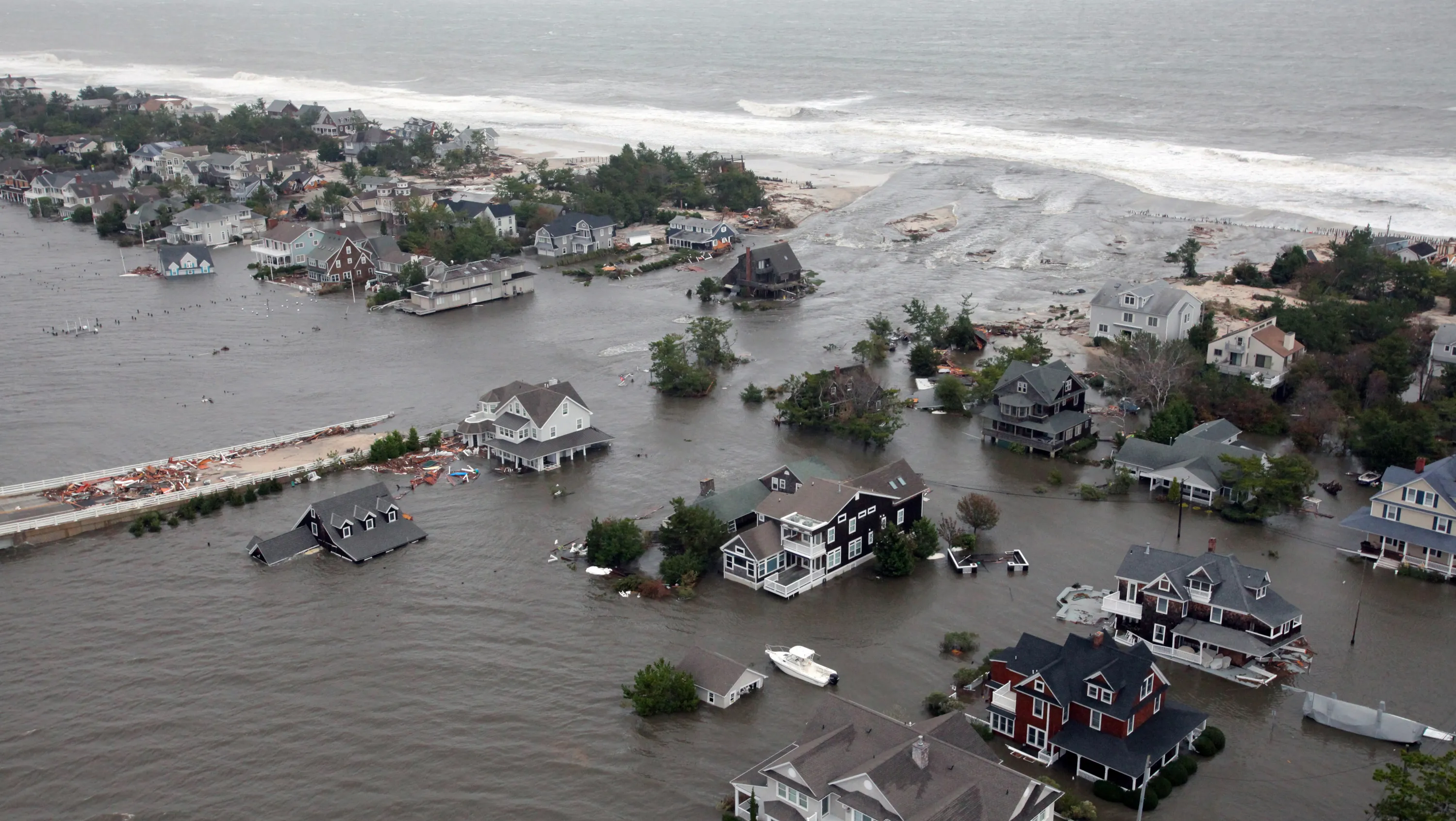
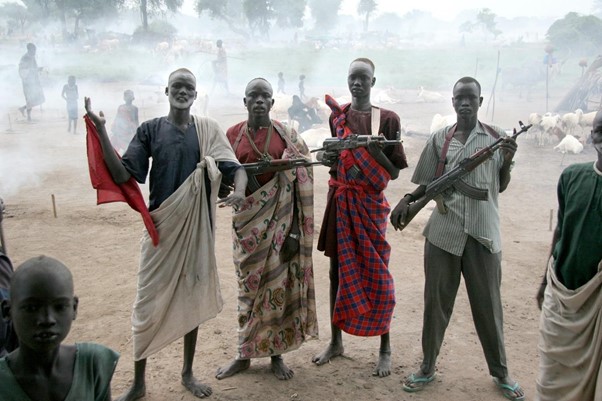
War still edges out climate change as the current greatest cause of starvation. It’s an ouroboros (snake eating itself, i.e. vicious cycle) wherein the more devastated a landscape becomes and the less food it can produce, the more people fight over it. Which leads to more conflict, etc. It is important to note that climate change alone has not been proven to increase the likelihood of discord; however, climate change compounded with challenging economic, political, or social conditions can heighten the risk of conflict.

Evidence links rise in temperature to a rise in civil war. Researchers at Princeton University and UC Berkeley found that a rise in average annual temperature by even 1° Celsius (1.8° Fahrenheit) leads to a 4.5% increase in civil war that year. There has been a global increase in the incidence of civil war following World War II, with civil wars even having a greater number of casualties than international wars. Civil wars are dangerous, and climate change is making them more common.[1]

In 2022, the five regions with the highest number of hungry people as a proportion of population included:

  • Middle Africa: 31.8%
  • East Africa: 28.1%
  • Western Africa: 18.7%
  • Caribbean: 16.1%
  • Southern Asia: 15.8%

The Sahel, located between Sudan and the Sahara (West Africa) and regarded as the most vulnerable area to climate change, is a semi-arid region comprising some of the world’s poorest and most fragile states (e.g. Mali, Niger, Burkina Faso, Chad, and Mauritania).[2]

Darfur, a region in the Western part of Sudan, has been in a state of emergency since 2003. “…The general notion is that the decline in rainfall and land degradation increased and intensified already existing violent struggles over pastures, water and farmland, proportionally resulting in a large scale civil war.”[3]

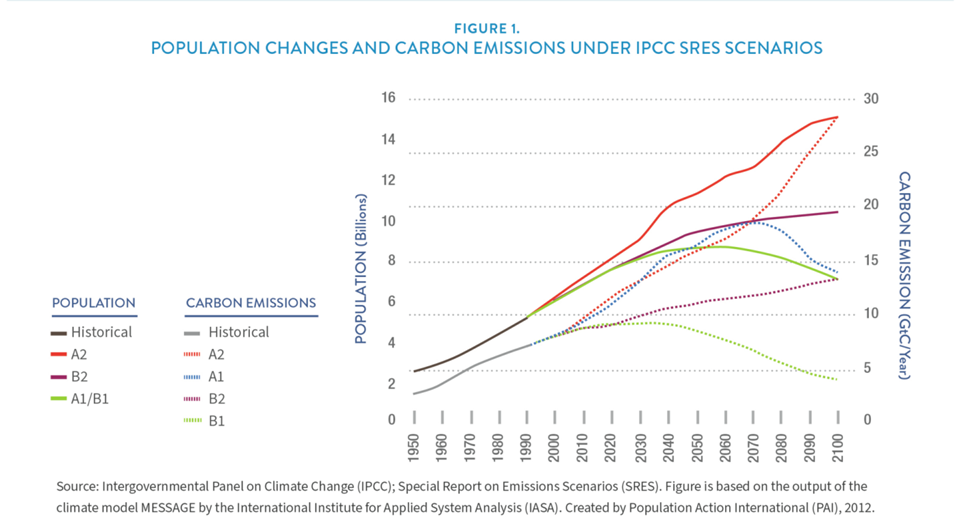
Population growth, along with increasing consumption, tends to increase emissions of climate-changing greenhouse gases. Rapid population growth worsens the impacts of climate change by straining resources and exposing more people to climate-related risks—especially in low-resource regions. There has been a reluctance to integrate discussions of population into climate education and advocacy. Yet climate change is tightly linked to population growth.

Top 10 Countries with the Highest Fertility Rates (by births per woman) – World Bank 2021 (2019 data). If these country names look familiar, check the list above of nations with the greatest rates of starvation.

Niger – 6.8 (West Africa)

Somalia – 6.0 (East Africa)

Congo (Dem. Rep.) – 5.8 (tie) (Middle Africa)

Mali – 5.8 (tie) (West Africa)

Chad – 5.6 (Middle Africa)

Angola – 5.4 (West Africa)

Burundi – 5.3 (tie) (East Africa)

Nigeria – 5.3 (tie) (West Africa)

Gambia – 5.2 (West Africa)

Burkina Faso – 5.1 (West Africa)

As the U.K.-based charity Population Matters summarizes: “Every additional person increases carbon emissions—the rich far more than the poor—and increases the number of climate change victims—the poor far more than the rich.” At the national level, there is a clear relationship between income and per capita CO2 emissions, with average emissions for people living in industrialized countries and key oil producing nations topping the charts. High-consuming lifestyles and production practices in the highest income countries result in much higher emissions rates than in middle and low-income countries, where the majority of the world’s population lives.[4]

Sadly, the people suffering the most from climate change are those least responsible for the problem. For example, the United States represents just over 4% of the global population but accounts for 17% of the world’s energy use. Per person carbon emissions are among the highest in the world. People living in the United States, Australia, and Canada, have carbon footprints close to 200 times larger than people in some of the poorest and fastest-growing countries in sub-Saharan Africa—such as Chad, Niger, and the Central African Republic. In the middle of the spectrum are the middle-income economies, home to 75% of the world’s population. In these places, industrialization will increase standards of living and consumption patterns over the coming decades. Without changes to how economies tend to grow, carbon emissions will rise.[5]

As there is no panacea for combating climate change, a wide variety of options needs to be exercised. An integrated approach includes educating girls and empowering women to make their own decisions about reproduction.

While the United States is best equipped to address the issue of reproduction, Republican lawmakers have systematically gutted programs which offered reproductive health care to these places. President Ronald Reagan first enacted the global gag rule—also known as the Mexico City Policy—in 1984. Every president since Reagan has decided whether to enact or revoke the policy, making NGO funding vulnerable to political changes happening in the United States. The rule forces organizations to choose whether to provide comprehensive sexual and reproductive health care and education without U.S. funding, or comply with the policy in order to continue accepting U.S. funds.

Used by U.S. presidents since 1984 to signal their stance on abortion rights, the rule has been backed by Republicans – including Bush from 2001 to 2008 – and revoked by Democrats.

When the policy was in place in the Bush era, modern contraception use declined by 14% and pregnancy rates rose 12% in Sub-Saharan countries most reliant on U.S. family planning aid, a study found. When the policy was rescinded by Democratic President Barack Obama, the pattern reversed, with higher contraceptive use and fewer abortions.

Former President Donald Trump reinstated the rule in 2017. The evangelical-backed ban on funding for reproductive care extends beyond reproduction. Nearly 50 percent of global HIV and AIDS funding comes from the U.S. government. Under President Trump’s expanded global gag rule, the quality and availability of HIV services, including treatment, testing, and prevention, began suffering dramatically—more than previous iterations of the rule. The policy under Trump undid decades of work to integrate sexual and reproductive health services with HIV services. Vulnerable populations, and men who have sex with men in particular, began experiencing significant health service disruptions as a result of the global gag rule. Clearly, the evangelical-condoned ban isn’t about brotherly love.

Meanwhile, multiple studies have shown that the global gag rule has not decreased rates of abortions but instead has increased the number of unsafe abortions.

U.S. funding for family planning/reproductive health care is governed by several other legislative and policy requirements, including a legal ban on the direct use of U.S. funding overseas for abortion as a method of family planning (the Helms Amendment, which has been in place since 1973) and, when in effect, the Mexico City Policy (reinstated and expanded by President Trump as the “Protecting Life in Global Health Assistance” policy but rescinded by President Biden upon taking office).[6]

In the situation where Republicans routinely disrupt the best efforts of U.S. progressives to reduce human suffering around the world, we can expect more war, more starvation (especially for mothers and children) and much greater human suffering all around.


[1] https://theyearsproject.com/latest/is-climate-change-causing-more-wars

[2] https://www.ips-journal.eu/topics/economy-and-ecology/how-climate-change-fuels-conflicts-in-west-africa-6227/

[3] https://jasoninstitute.com/the-first-climate-war-insight-into-the-war-in-darfur/

[4] https://populationmatters.org/climate-change/

[5] https://populationconnection.org/resources/population-and-climate/

[6] https://www.kff.org/global-health-policy/fact-sheet/the-u-s-government-and-international-family-planning-reproductive-health-statutory-requirements-and-policies/

It’s Here! AROUND THE COUNTY: Histories of Washington County, Arkansas

This collection of articles covers an eclectic range of subjects from the earliest settlers (and their contribution to the development of the county and the nation) to the 20th century enigma of a former carnie known as White River Red. What about UFOs? What about the Old Wire Road and its storied history in south Washington County? Or the county’s 4 Riverside Parks, 12 skating rinks, and 8 flour mills are among the stories found here (umm, butter melting on hot BREAD!), each selection delving into some fascinating aspect of Washington County life. It’s a joyful and sometimes heartrending read, perfect for a home library or as a gift. Don’t miss this latest contribution to the archives of local history!

Paperback, $19.99, at Amazon.com

The Spectacular ‘White River Red

Coming April 2 — AROUND THE COUNTY: Histories of Washington County, Arkansas

As the legend goes, by 1931 when Forrestina Magdalene (Bradley) Campbell settled in Washington County, Arkansas, she had run away from her “well-to-do” family as a teen, joined the circus, married “Big Broad Tosser” Keyes, and lost a pregnancy after falling from a trapeze. Local historian Phillip Steele described her as “a beautiful woman…with long gorgeous red hair.”

Beauty or not, her husband Keyes abandoned her when medical complications of her miscarriage cost her the ability to ever bear children. Maybe he would have left her anyway. No records of him have been found.

This was just the beginning of Forrestina’s fascinating life story which would continue into the 1970s from Head’s Ford and Springdale to the West Fork area along Highway 71 as she forged her unique path in local lore.

This article won the 2022 Washington County Historical Society’s Walter J. Lemke Award for the best article on Washington County History outside of Fayetteville and was published in the Spring issue of the WCHS quarterly journal Flashback. [This image of her appeared on the cover of Philip Steele’s booklet about her, circa 1970.]

May be an image of 1 person

UFOs in Washington County

Coming April 2 — AROUND THE COUNTY: Histories of Washington County, Arkansas

The people of Arkansas have reported UFO (Unidentified Flying Object) sightings since the late 19th century. In the 20th century, a cluster of sightings in Washington County occurred in 1965, when Bill Estep of Viney Grove reported his experience to the local newspaper:

“An unidentified flying object (UFO) “the size of a car” was reported at tree-top level eight miles north of Viney Grove last night. The Bill Estep family said they were seated in their living room around 10 p.m. when a flashing light outside attracted their attention. Mrs. Estep said when they went outside they saw a ‘long narrow, silver object with lighted windows and revolving light on top hovering in the air just above the trees.’”

More sightings have been reported, but it was a pilot’s 1952 observation of a ‘saucer-shaped’ UFO over Skylight Mountain that captured the attention of J. Allen Hynek, scientific observer for the U. S. Air Force and Project Blue Book. In recent years since the CIA released images and reports verifying such sightings, UFO incidents have become more accepted by a skeptical public. This article includes current reporting methods and sightings in our area.

May be an image of tree, sky, nature and text that says 'ব Photoshopped image'

Skating Rinks

Roller skating took the public by storm in the years following the Civil War. Other than the cost of skates, all a person needed was a smooth surface and a modicum of courage in order to enjoy speeding along with the rush of wind through his or her hair. Fayetteville didn’t lag behind in embracing this novel sport. Crowds flocking to the rink to try their hand at this challenging new recreation must have been aware that their activities would be fodder for onlooker commentary including wiseacre sketches which made their way into the local news announcing prizes awarded for “the most graceful lady skater” or “the awkward squad.”

Fayetteville led the state in offering roller rinks to an eager public. As the sport took its various twists and turns through the years, the community met the demand with a total of (so far) twelve roller rinks. One that stands out in recent memory was the fond dream of Dayton Stratton, a visionary businessman who saw the potential of a rink to accommodate much more than roller skates. It was Stratton that put Fayetteville on the national map of live music concerts, sponsoring local performances of breakout acts like Conway Twitty, Roy Orbison, Jerry Lee Lewis, and Ronnie Hawkins and The Hawks (later to become The Band).

Read the history of local (and state) roller rinks in the forthcoming AROUND THE COUNTY: Histories of Washington County, Arkansas.

Odell, Arkansas

Another article in the forthcoming AROUND The COUNTY: Histories of Washington County, Arkansas

Long forgotten villages dot the maps of Washington County, places like Floss, Sugar Hill, Clyde, and Arnett. Odell is another, no longer existing as more than a place name. For a time in the 19th century, this village was a tiny but important commercial center in that vicinity the southwest county. School No. 69, Shady Grove, was located there as well as a blacksmith shop, general store, and post office, all along a long established roadway mostly following the ridge tops in this western edge of the Boston Mountains.

Both Confederate and Union troops used this road, now County Road 295, as an alternative to the more heavily traveled routes like the Old Wire Road up the middle of the county, or the route later to become Highway 59 along the state’s boundary with Indian Territory, or the newly marked-out Cove Creek Road which rose from the depths of Crawford County and led directly to Prairie Grove.

Noah West, the owner of the Odell general store circa 1900, stands proudly at its entry with his extended family, a moment and place captured for all time.

May be an image of 12 people, people standing and outdoors

Riverside Park

Another chapter in the upcoming AROUND The COUNTY – “The County’s Four Riverside Parks”

One of the greatest attractions of Washington County is water, fresh flowing creeks and streams with fishing, swimming, and poking around in the shallows for fossils and arrowheads. Since the late 19th century, ‘Riverside Park’ has attracted all sorts of people to the banks of the West Fork of White River in Washington County, Arkansas. Picnics, restful scenic outings, and swimming were (and are) in the offing at Riverside Park, and even in winter visitors may be found there.

But which Riverside Park?

The first Riverside Park was established by 1882 with the construction of the Pacific & Great Eastern Railroad from Fayetteville east. Fun-seeking citizens rode the train to the park where they could enjoy picnics and events as well as the simple pleasures of the river. “Excursions were run every day out to Wyman during the hot seasons, where there was provision for boating and swimming. … a July 4th program in 1882 featured an all-day picnic. Trains were to run every two hours to accommodate the public, and a printed program announced the speakers of the day would be the Honorable William Walker Bishop on “The Tariff and Financial Questions of the Day” and “Arkansas As It Was and Is” by Uncle Ann Fitzgerald. An onion-eating contest offered prizes while order would be enforced by Sheriff Ike Combs.”

May be an image of tree, sky, body of water and nature

BREAD!

A entire chapter in the forthcoming AROUND THE COUNTY.

It’s easy to take bread for granted, the first thing grabbed off supermarket shelves as people prepare for any apocalypse. And not only bread, but other products of wheat flour, everything from biscuits to pasta. But the county’s early pioneers did not have supermarkets from which to obtain bread or flour, they didn’t even have grist mills to produce it. And they had to grow the wheat!

Laboring over grinding stones with hand pestles, pioneers cleared land, plowed, planted, harvested, winnowed, and stored wheat (and other grains, especially corn) before turning their energies to building mills. Big grinding stones were turned first by harnessed mules or horses then by water power as streams were channeled to turn big mill wheels. Millwrights had to know their business, not only in the methods of capturing and directing a suitable flow of water but also in the construction of the wheels and the many mechanisms of the operation.

At first, Fayetteville settlers had to travel to Natural Dam to find a mill, then to Evansville. It wasn’t until 1836 that Fayetteville gained its first local mill, and twelve more would follow. Local mills would continue their important work for nearly a century before mechanization and corporate farms would undermine their profitability, thus ending a long mainstay of the local economy.

A Tale of Two William Shores

Coming SOON! “Around the County,” new collection of articles about the history of Washington County.

From the first chapter:

Among the earliest settlers of Washington County were two men named William Shore. Distantly related in the Shorr lineage which arrived in the British American colonies by 1750, these two men seem not to have known of each other’s presence in this county. They each set about making a place for themselves. The first, William Dahl Shore, enlisted in the U.S. Army in 1833 and served in Co. H, U. S. Regiment of Dragoons (subsequently 1st U. S. Cavalry Regiment) as they occupied Fort Gibson “employed in scouting among the Indians, especially along the Missouri frontier, a portion of the regiment going to Nacogdoches, Texas, for the purpose of keeping off white trespassers from the Indian country, and preserving peace between whites and Indians and among the Indians themselves; also in building wagon roads and bridges.” Once he’d served his three year term, W.D. Shore bought land at Taney (later Brentwood) and served as the first postmaster.

The other William Shore stayed only ten years on his land along the western boundary of Washington County before leaving with the Lewis Evans Company for the California gold fields. In the process, he quickly saw that providing meat and other supplies for the miners produced greater wealth than mining and adjusted his enterprise accordingly. Some of his siblings remained in the county.

These two William Shores, both entrepreneurs and adventurers, illustrate the type of men who helped create this county.

(Pictured: In the right foreground stands a subaltern of the First Regiment of Dragoons; in the left foreground is an ordnance sergeant-of which there was one on every Army post. By H. Charles McBarron, Jr.)

May be an image of 3 people and people standing